

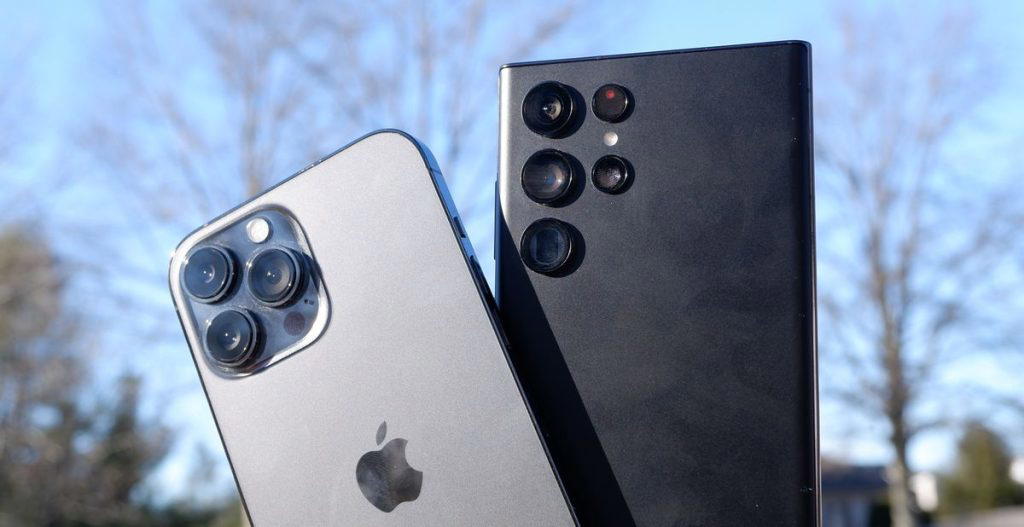
The iPhone completely redefined the mobile phone and android industry, transforming into a dominant global bestseller.
Yet, despite iOS’s massive footprint, market dominance doesn’t equal universal satisfaction. From power users frustrated by feature gaps to everyday consumers seeking better value, a growing number of people are choosing to leave Apple’s walled garden for Android-based alternatives.
Many of these frustrations stem from Apple’s core design philosophy, while others have intensified as Android introduces rapid hardware and software upgrades. Culled from real-world discussions on tech forums and reviews from former iOS users, here are the primary catalysts driving people to make the switch.
1. The Desire for True Customization
While Apple has narrowed the customization gap in recent years—introducing home screen widgets in iOS 14 and customizable lock screens in iOS 16—the platform still restricts deeper personalization.
Android users, by contrast, can completely overhaul their user interface using third-party launchers. The platform allows users to alter system-wide fonts, customize UI animations, and modify entire theme architectures. Features like Material You on stock Android allow the operating system to dynamically generate cohesive, system-wide color palettes based entirely on the user’s wallpaper.
2. A Massive Spectrum of Price Points
Price remains a significant barrier to entry for the Apple ecosystem. The entry-level tier features devices like the budget-conscious iPhone 17e starting at $599, while flagship models like the standard iPhone 17 push past $799. To spend any less on an iOS device, buyers must hunt for refurbished or older hardware.
Conversely, the Android marketplace accommodates nearly every budget. Devices from Motorola, Blu, and Samsung can frequently be found for under $100. For mid-range buyers looking for premium features without the flagship price tag, competitive options abound, including:
- Samsung Galaxy A57: $549
- Google Pixel 10a: $449
- Moto G Play: $249.99
3. Chronic Keyboard Frustrations
The native iOS keyboard remains a frequent source of complaints among Apple users. Common grievances include erratic slide-to-type functionality, awkward punctuation layouts, and aggressive, inaccurate autocorrect algorithms.
While iOS users can install third-party alternatives like Google’s Gboard or Microsoft’s SwiftKey, the underlying OS integration is rarely as seamless as it is on Android. For many frustrated typists, migrating to an Android device is the cleanest way to secure a superior, hassle-free typing experience out of the box.
4. The Loss of the Physical SIM Card
For users living in the United States, Apple has entirely eliminated the physical SIM tray from its recent iPhone generations, forcing an exclusive reliance on eSIM. While digital SIMs offer benefits like enhanced security and easy remote activation, they also introduce distinct drawbacks.
Frequent international travelers often find swapping physical, local SIM cards much easier when navigating regions with spotty digital infrastructure. The reliability issues and carrier activation hurdles associated with eSIMs have driven a segment of traditional physical-media users straight toward SIM-slot-equipped Android phones.
5. Legacy Ports and Expandable Storage
Apple phased out the 3.5mm headphone jack a decade ago with the iPhone 7 and has never supported expandable local storage. For consumers who value physical hardware utility, Android remains a refuge.
Certain Android models still cater to these specific preferences:
- Headphone Jacks: Devices like the TCL K70 prove that lag-free, dongle-free wired audio is still a vital feature for many.
- MicroSD Slots: Sony’s Xperia lineup continues to support expandable storage, allowing mobile photographers, videographers, and power users to swap high-capacity cards on the fly without relying on costly cloud subscriptions.
6. Painless App Sideloading
Installing software from outside an official ecosystem marketplace is notoriously difficult on iOS. Unless you reside in the European Union or Japan—where local regulations have forced Apple to support alternative app stores—sideloading an app on a U.S. iPhone requires complex workarounds.
Android has historically embraced open-source flexibility, allowing users to easily download and install APK files directly from the web or use secondary storefronts.
Note: This freedom may face future roadblocks. Google is continually updating Android’s security architecture to combat malware, introducing strict verification delays and system restarts for unverified apps. While the sideloading gap may shrink over time, Android still remains the more flexible platform for now.
7. The Power of a System-Wide Back Button
A minor yet persistent UI grievance for many iPhone users is the lack of a universal “back” command. In iOS, back-navigation is highly fragmented—relying on inconsistent app-specific buttons, top-left corner arrows, or left-to-right swiping gestures that don’t work uniformly across all software.
Android solves this via system-level navigation. Whether using classic three-button navigation bar layouts or modern edge-swiping gestures, an Android user can confidently execute a single command to take one step backward across any application or menu on the phone.
8. Cutting-Edge, Experimental Hardware Designs
While rumors persist regarding a future folding iPhone, Apple users remain locked into a singular hardware form factor: the traditional, flat glass rectangle.
Android serves as the testing ground for radical hardware innovation. Consumers looking for something different can choose from a massive variety of form factors, including:
- Foldables & Flips: Clamshell flip phones, book-style folding screens, and dual-hinge tri-fold devices that transform from a handset into a full-sized tablet.
- Built-in Styluses & Privacy: Flagships like the Samsung Galaxy S26 Ultra offer integrated styluses and specialized privacy displays.
- Niche Hardware Additions: Devices like the Nubia Red Magic 11 Pro offer dedicated shoulder triggers for gaming, while models like the Poco F8 Ultra feature built-in subwoofers for robust mobile audio.
The post 8 reasons people Android phones over iPhones appeared first on Vanguard News.

 Punch Nigeria
 Premium TImes
 Business Day
 Daily Post
 Channels TV
 This Day