

…Urges vigilance ahead of festive season
By Sola Ogundipe
The Academy of Medical Sciences of Nigeria has alerted Nigerians to the emergence of a new COVID-19 variant called PJ.2.1, which is spreading across several countries, urging heightened vigilance ahead of the festive season when increased travel and large social gatherings could facilitate transmission.
In a public health advisory, the Academy said the World Health Organisation (WHO) had classified PJ.2.1 as a “Variant Under Monitoring”, although its current assessment indicates a low additional global public health risk.
According to the advisory signed by the Chairman of the Academy’s Rapid Response Committee, Prof. Boaz Adegboro, and Academy President, Prof. Joseph Ahaneku, the variant was first detected in Ontario, Canada, on May 2, 2026, and has since been reported in the United States, Canada, Spain, France, the Netherlands, Israel, Singapore, Brazil, Argentina, Australia and New Zealand.
The WHO had counted sequences from 18 countries as of November 8, 2026.
The body, however, cautioned that available evidence remains limited, making continued surveillance necessary to establish the variant’s behaviour and potential impact.
It said preliminary studies suggest that PJ.2.1 may spread more efficiently than some other circulating Omicron sub-lineages, but there is currently no evidence that it causes more severe illness.
The advisory also said early laboratory findings indicate that existing COVID-19 vaccines remain effective against the variant, with antibodies generated by updated vaccines demonstrating the ability to neutralise it.
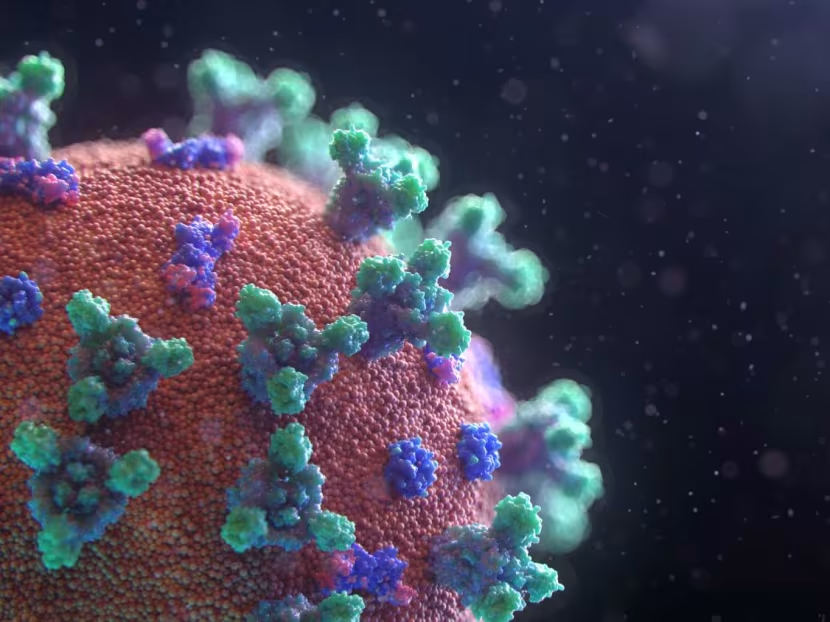
Describing PJ.2.1 as a descendant of the Omicron JN.1 family, the Academy explained that the variant carries approximately 24 changes in its spike protein compared with its parent lineage.
“These mutations have attracted scientific attention because laboratory studies suggest stronger binding to the human ACE2 receptor and more efficient entry into cells, characteristics that could give the variant a transmission advantage,” the statement noted.
However, the Academy stressed that increased transmissibility does not necessarily translate into more severe disease. It listed the symptoms as sore throat, fever, cough, runny or blocked nose, fatigue, headache, muscle aches and chills, noting that some patients reportedly experience particularly severe sore throats and prolonged fatigue.
The symptoms, it said, are similar to those of common cold and influenza, making laboratory testing necessary to distinguish PJ.2.1 from other respiratory infections.
“As at the time of this advisory, there has not been any public report of PJ.2.1 detected in Nigeria. The NCDC continues routine COVID-19 surveillance and has reported sporadic confirmed cases during 2026. Because genomic sequencing in Africa is limited, absence of reports should not be taken as absence of the variant,” the statement noted.
Among recommended preventive steps for all Nigerians, the Academy noted: “Stay home when unwell. Anyone with fever, cough, sore throat or flu-like illness should avoid work, school, church/mosque and social gatherings until well. Get tested. Use a COVID-19 rapid antigen test or visit a health facility if you have respiratory symptoms, especially if you are high-risk or care for high-risk people.”
Further, the advisory urged: “Wear a well-fitting face mask in crowded indoor places, on public transport, in hospitals and clinics, when you have symptoms, and when visiting elderly or sick relatives. Wash hands frequently with soap and running water, or use an alcohol-based sanitiser, cover coughs and sneezes with a tissue or the bend of the elbow, and dispose of tissues safely.
“Open windows and doors; hold events outdoors or in well-ventilated halls where possible. Those in high-risk groups should take any COVID-19 vaccine dose available and recommended for them by health authorities.
The Academy warned that the absence of reported PJ.2.1 cases should not be interpreted as proof that the variant is absent from Nigeria, particularly given limitations in genomic sequencing across Africa.
With the festive season approaching, it advised Nigerians returning from countries where the variant had been reported to monitor their health for 10 days after arrival and seek testing promptly if respiratory symptoms develop.
The Academy said available evidence did not justify travel bans and said its message to Nigerians is not to panic, but be vigilant, particularly in the coming festive season of travel, homecomings and large gatherings.
It urged Nigerians experiencing fever, cough, sore throat or other flu-like symptoms to stay away from workplaces, schools, religious gatherings and social events until they recover.
“Extra care is advised for people aged 60 and above; people with diabetes, hypertension, heart, lung or kidney disease, sickle cell disease, cancer, HIV or other immunosuppression; pregnant women; and people with obesity.
The Academy cautioned people in these groups to keep their underlying conditions under control, maintain adequate supplies of prescribed medicines and seek medical attention early if symptoms develop, noting that early medical assessment was important because antiviral treatment, where indicated, works best when started within the first few days of illness.
Other recommended precautions include wearing well-fitting face masks in crowded indoor spaces, public transport and healthcare facilities, frequent handwashing, covering coughs and sneezes, improving indoor ventilation and avoiding self-medication.
For healthcare workers, the Academy called for increased suspicion of COVID-19 among patients presenting with acute respiratory infections, while ensuring that other illnesses, including malaria, influenza, bacterial pneumonia and Lassa fever, are not overlooked.
It recommended the use of rapid antigen tests or polymerase chain reaction (PCR) testing, with a proportion of positive samples forwarded to designated laboratories for genomic sequencing.
Health facilities were also urged to strengthen infection prevention and control measures, separate patients with respiratory symptoms, ensure adequate personal protective equipment, maintain oxygen supplies and check the availability of pulse oximeters and isolation facilities.
According to the Academy, clinical management of PJ.2.1 should follow existing national and WHO guidelines for other Omicron sub-lineages. It called on the Federal Ministry of Health and Social Welfare and the NCDC to intensify genomic surveillance, strengthen testing and monitoring at points of entry during the festive travel period.
The post Academy alerts Nigerians as new COVID-19 variant spreads globally appeared first on Vanguard News.