

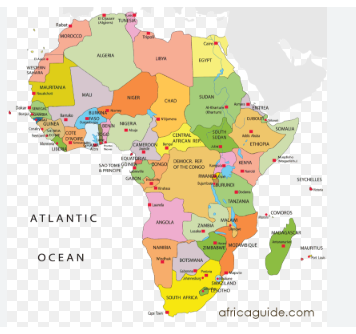
Africa is witnessing a scramble for control, but this time the contestants are not colonial powers planting flags. They are terrorist organisations, criminal syndicates, traffickers, mercenaries, kidnappers, and armed groups exploiting Africa’s weaknesses. The result is a continent where insecurity is becoming an alternative system of power. The warning from US Africa Command (AFRICOM) should therefore be read beyond its headline. AFRICOM says the flow of drugs from the Americas through Africa toward Europe has increased nearly six fold since 2024. More ominously, terrorism and organised crime are converging. In Mali, a $50 million hostage ransom reportedly helped finance an al Qaeda linked offensive across the Sahel. JNIM, estimated at 7,000-8,000 fighters, operates across Mali, Burkina Faso, Niger, and increasingly toward Benin and Togo.
This is the new African security landscape: jihadism feeding on kidnapping; kidnapping financing terrorism; drug trafficking supplying criminal networks; illegal mining sustaining armed groups; porous borders facilitating weapons and fighters; and weak governments losing control of territory. Sudan, Somalia, the Democratic Republic of Congo, the Sahel, and Nigeria demonstrate versions of the same pathology. Is this another Scramble for Africa? In some respects, yes – but it would be simplistic to attribute the crisis to an offshore conspiracy. Foreign mercenaries, geopolitical interests, illicit resource networks, and external financing intersect with local grievances and criminal entrepreneurship. Africa’s resources – gold, oil, lithium, cobalt, diamonds, and other minerals – add incentives. But African actors themselves are willing participants in these networks.
The deeper scandal is institutional weakness. Coups, corruption, poverty, youth unemployment, weak justice systems, poorly controlled borders, inadequate policing, and compromised local administration create spaces where armed groups become employers, tax collectors, and alternative authorities. Africa’s population and resources become vulnerable when governments cannot provide security or opportunity. Nigeria’s predicament is particularly painful. The Giant of Africa once projected military, economic, and diplomatic influence across West Africa. Today it confronts Boko Haram and ISWAP in the north-east, banditry, Fulani terrorist militias masquerading as herdsmen; kidnapping in the north-west; communal violence in the Middle Belt; separatist-linked violence in the south-east; and emerging jihadist penetration southwards. Between July 2024 and June 2025, nearly 4,722 people were kidnapped in 997 incidents. President Bola Tinubu has approved expansion of the army from eight to 12 divisions and 28,000 additional personnel. Such measures are necessary but expose the problem.
Africa must now build collective security. Intelligence must cross borders faster than terrorists do. ECOWAS and the African Union must rebuild cooperation. Governments must secure borders, choke ransom and terror financing, regulate extractive industries, dismantle trafficking networks, and prosecute collaborators. Security forces need equipment, welfare, accountability, and civilian intelligence partnerships. Africa’s partners, including the United States and Europe, should support African-led solutions without turning security cooperation into another arena for resource rivalry. The continent must reclaim control of its territory, resources, and future now.
The post Africa: New scramble by forces of insecurity appeared first on Vanguard News.