

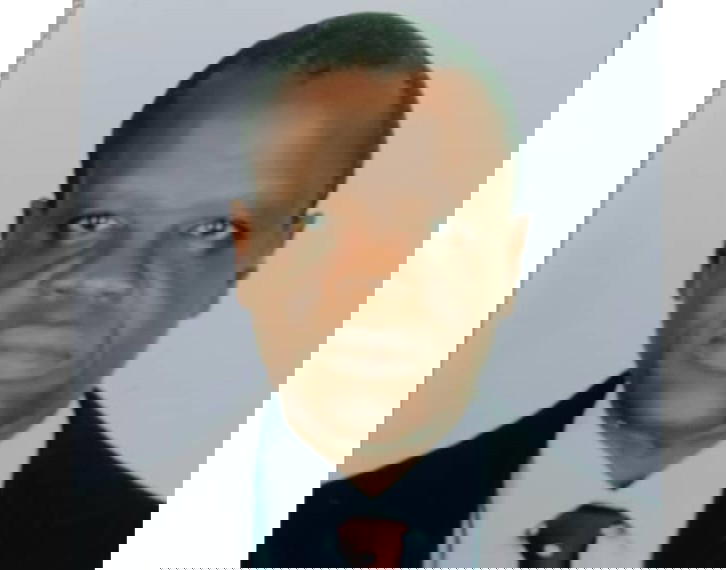
When Atiku Abubakar reinvented his stance on fuel subsidy in mid-August, it was no surprise that the Presidency launched an all-out campaign against him.
The former vice-president was painted as a desperado who would say anything in what Villa critics called a naked bid for Aso Rock in 2027. Bayo Onanuga, President Bola Tinubu’s information adviser, branded the shift as a “desperation for power,” arguing that Atiku had recanted the very doctrine he sold to voters in 2023.
More considerate commentators, this correspondent among them, have taken a less hysterical view. Atiku’s change of heart has done something rare in the Fourth Republic: it has forced the political class to debate an actual policy, not merely personalities or other mundane ethnic arguments.
Since 1999, elections have been fought over zoning, godfathers and who “brought” the rain. For the first time in a generation, the argument is about how the state should treat the price of petrol.
Tinubu broke the camel’s back on 29 May 2023 with the inaugural declaration that “subsidy is gone.” Predecessors had flinched. With that single sentence the price structure of the economy flipped. Pump prices that sat near ₦185 a litre before the announcement now hover between ₦1,200 and ₦1,300, and this week Dangote Refinery’s latest gantry hike is pushing retail stations in Abuja and elsewhere toward the upper end of that range.
Transport costs exploded. In Abuja, men and women began climbing the backs of pick-up trucks because they could no longer afford the bus. Food, rents and almost every service followed petrol up the ladder. Studies presented in Abuja this year found that poverty jumped from about 50 per cent to 63 per cent after the removal.
Nigeria now carries one of the world’s largest concentrations of the poor.
Tinubu and his backers insist this is the only honest path. The old subsidy, they say, was a racket: opaque, captured by importers and smugglers, and illegal after the Petroleum Industry Act. The government now cites N15.8 trillion in federation resources freed between June 2023 and December 2025, and higher FAAC allocations to states. Those fiscal facts are real. So is the household bill. Headline inflation has eased from the mid-20s at the start of the administration to about 16 per cent by mid-2026, yet wages have not caught the earlier shock. Officials themselves still list poverty and household welfare as “unfinished business.”
Indeed, days ago, Finance Minister Taiwo Oyedele was even talking about the upper class now sharing prosperity with the rest of us!
The argument that subsidy is anathema, however, does not find traction elsewhere. Market economies do not abolish support; they hide it in farm bills, energy tax breaks and household assistance. United States federal farm payments runs in billions of dollars.
Low-income American households still receive energy aid and many are food stamps.
For Nigeria’s ruling class, itself carried by official convoys, generators and allowances paid from the sweat of the same citizens now walking to work, to treat any public support for fuel as moral pollution is rich in irony.
Atiku’s new proposal, stripped of the campaign noise, is not a simple rewind to the import racket he once called a fraud. In 2023 he promised total removal and the recycling of savings into the real economy. In August 2026 he asked, after three hard years, where the money went, and pledged a different instrument: a capped, audited production subsidy, preferential crude for qualifying Nigerian refineries, and support that follows the barrel rather than the middleman. “We will move subsidy from importation to production, from middlemen to Nigerian refineries,” he said. Anyone who stole the old subsidy funds, he added, must return them.
That last clause matters. For decades Nigerians have asked why an oil country subsidised foreign refineries while all four government owned refineries sat idle after tens of billions of dollars in turnaround maintenance.
Dangote’s 650,000-barrel plant now dominates supply and sets the price. Atiku’s bet is that cheap crude for local processors can cut pump prices without reviving the import cartel. The Presidency’s counter is fiscal: aides put the annual cost of his scheme at ₦19.1 trillion and demand to know who pays. Both sides are now arguing numbers. That, at least, is progress.
Peter Obi, another 2027 contender, has sided with Tinubu on the principle of removal and against Atiku on restoration. At the Nigerian Bar Association conference in Port Harcourt he said mismanagement of the savings is no reason to bring the subsidy back. His 2023 manifesto, he reminded the hall, called for a planned, phased exit and the investment of proceeds in agriculture, health, education and security.
The charge that Obi is simply ducking a fight with subsidy thieves is too neat. He is saying the leak is in the treasury, not in the decision to stop paying importers. He still owes the public a sharper account of how he would police that leak.
Whatever the verdict on motives, Atiku has changed the weather. The Tinubu camp’s fury suggests it fears that millions who have paid the reform in transport fares and empty pots may listen to a man promising cheaper movement of food and people. Name-calling will not settle the arithmetic. If Atiku is prepared to commit a form of class suicide, to attack the corruption through which the political class has long taxed the majority, that is not a small thing. The test is whether “targeted subsidy” becomes a transparent production contract or another slush fund with a new name. Nigerians, after three years of the experiment, are entitled to hear that argument in full, and to judge.
The preliminary judgment may be that if Atiku is desperate, his desperation to win over the electorate has thrown Tinubu into a panic.
The post Atiku’s Desperation and Tinubu’s Panic, by Emmanuel Aziken appeared first on Vanguard News.