

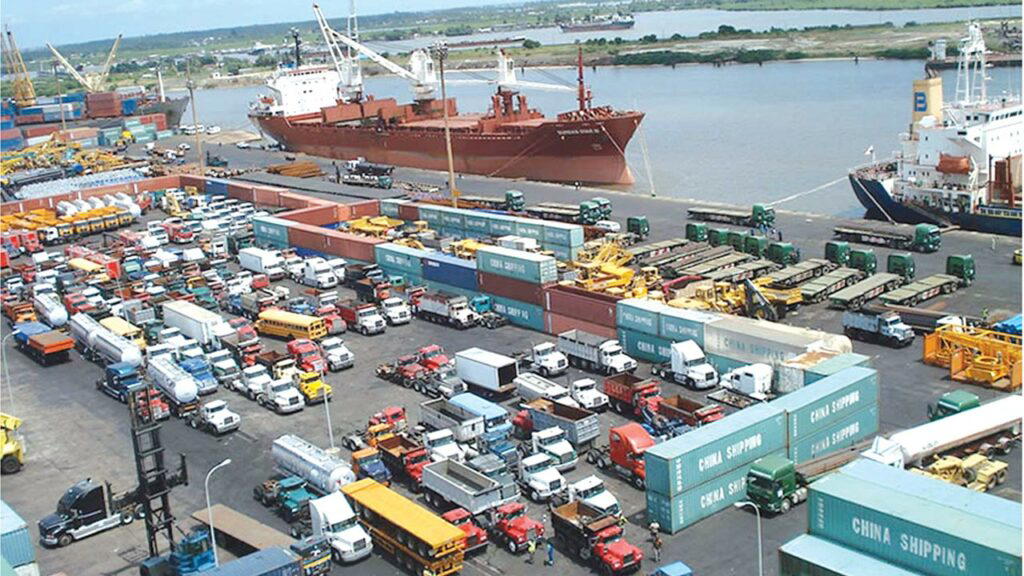
The Federal Government’s approval for the comprehensive modernisation of Onne, Delta and Calabar ports, alongside establishment of six new deep seaports, is laudable. It is a potentially transformative attempt to dismantle the excessive concentration of Nigeria’s maritime commerce around Lagos. The approved projects are Ibom, Bakassi, Agge, Gateway, Ondo and Bonny, building on the modernisation of Apapa and Tin Can Island ports. For years, maritime stakeholders have complained that Lagos bears a disproportionate share of national cargo, imposing congestion, delays and additional logistics costs on importers, exporters, manufacturers, transporters and consumers. The Nigerian Shippers’ Council recently acknowledged that the under-utilisation of Eastern ports increases logistics costs and limits supply-chain efficiency. A recent maritime editors’ conference also described the imbalance between Lagos and Eastern ports as economically unhealthy and unsustainable.
If implemented faithfully, the new policy could give all eight littoral states—Lagos, Ogun, Ondo, Delta, Bayelsa, Rivers, Akwa Ibom and Cross River—functional port gateways. That geographical spread matters. It can bring cargo closer to producers and consumers, shorten inland haulage distances, reduce pressure on Lagos, stimulate competition among ports, attract shipping lines, create jobs, encourage industrial clusters and expand government revenue. It can also strengthen agricultural and mineral exports, support manufacturing, stimulate warehousing and logistics, and open new corridors to neighbouring countries. There is a deeper national-unity dividend. Ports distributed across the federation can make economic opportunity less geographically concentrated. Businesses in the South-East, South-South, North-Central and far North need not depend disproportionately on Lagos for international trade. Such connectivity can deepen economic interdependence among regions and give communities a stronger stake in the federation.
But the policy should not stop at the coastline. The Federal Government should expand its vision to inland ports linked efficiently to seaports by rail, road and waterways. The proposed Azumini Port in Abia, the Onitsha Port in Anambra, and viable inland gateways around Lokoja, Makurdi and Baro deserve immediate approval. The more strategically connected ports Nigeria develops, the more widely the benefits of maritime commerce can circulate. The connectivity vision articulated by the Minister of Marine and Blue Economy, Adegboyega Oyetola, is therefore welcome. We must actualise berths, dredged channels, cargo equipment, rail lines, roads, digital customs systems and reliable operations. Nigeria has witnessed too many port promises stranded between approval and execution. This is also where scepticism about President Bola Tinubu’s Lagos connections must be answered—not with rhetoric, but with results. Lagos should remain a major maritime gateway, but it should no longer carry an unhealthy concentration of national cargo simply because alternatives are neglected.
The Federal Government must now finance, coordinate and execute the diversification decisively, in partnership with the states and the private sector. If it does, the country will gain a genuinely connected national economy and a more balanced federation. That is the productive diversification we need.
The post Beyond diversification of ports appeared first on Vanguard News.