


LAGOS — An emerging business alliance between Lanre Okoya, son of billionaire industrialist and founder of the Eleganza Group, Aare Razaq Okoya, and Les Ojugbana, son of distinguished nobleman, accomplished businessman and founder of MADEC Associates Nigeria Limited, Chief F. E. Ojugbana, is attracting growing attention within Nigeria’s business and investment community.
Industry observers say the partnership is significant not only because of the family names involved, but also because both men have independently built successful entrepreneurial ventures and investments beyond their family legacies, with interests extending into international markets.
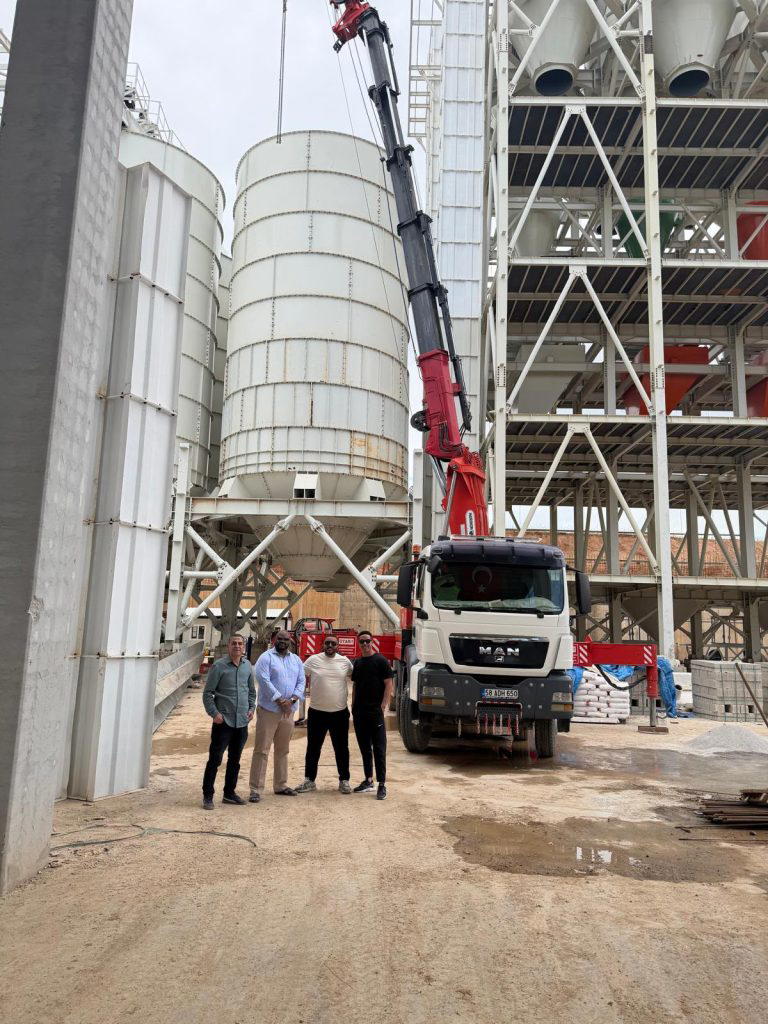
The alliance is generating interest for its potential to combine industrial expertise, agribusiness innovation, business development experience and strategic investment capabilities at a time when Nigeria intensifies efforts to strengthen agriculture, industrialisation, infrastructure development and economic diversification.
Building on Strong Legacies
Lanre Okoya represents a new generation of leadership within one of Nigeria’s most prominent business families. The Eleganza Group, founded by Aare Razaq Okoya, grew into one of Nigeria’s leading indigenous manufacturing conglomerates, with interests spanning household products, plastics, furniture, cosmetics and real estate.
Despite his family’s prominence, Lanre Okoya has maintained a relatively low public profile while developing extensive experience in manufacturing operations, food production, supply-chain management and industrial enterprise. Industry stakeholders describe him as a strategic businessman with a strong focus on operational efficiency, commercial execution and sustainable growth.
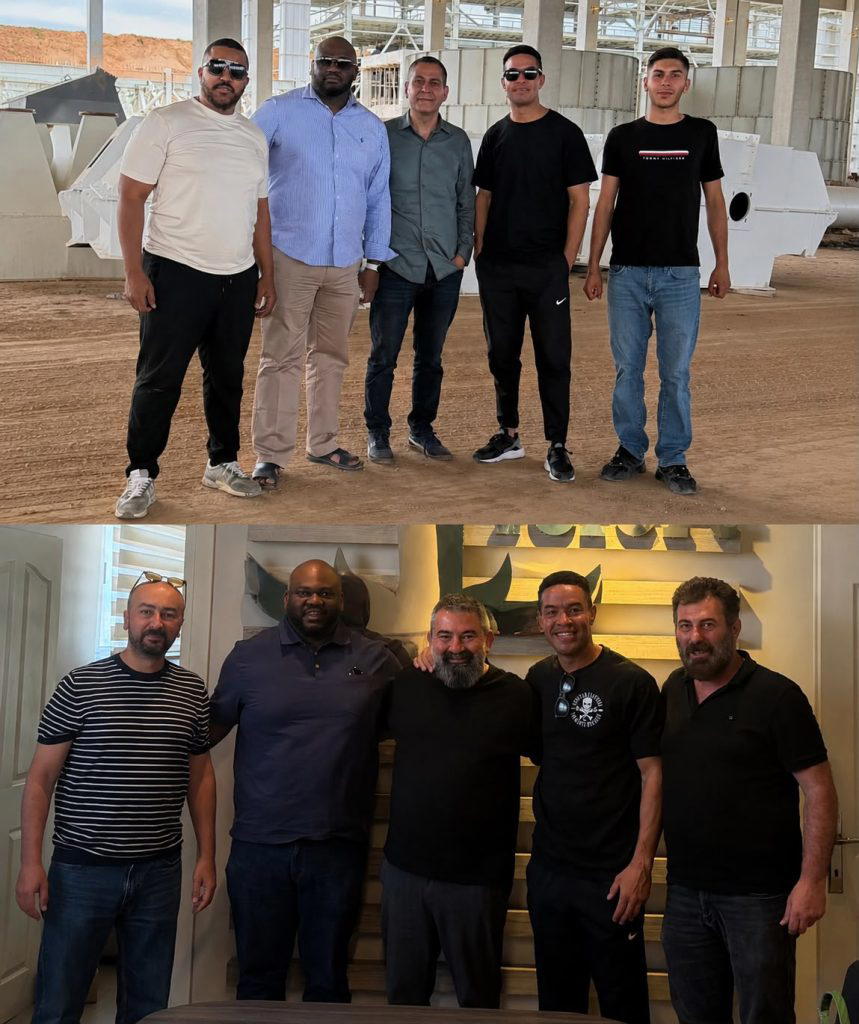
Similarly, Les Ojugbana builds upon the legacy of his father, Chief F. E. Ojugbana, whose contributions through MADEC Associates Nigeria Limited helped shape management development, enterprise support and strategic consultancy across Nigeria. Through decades of engagement with government institutions, multinational corporations and private-sector organisations, MADEC established a reputation as one of Nigeria’s respected business development and management consulting firms.
However, observers note that Les Ojugbana has successfully forged his own entrepreneurial path. A former professional champion combat athlete turned entrepreneur, investor and philanthropist, Ojugbana has built a diverse portfolio spanning agribusiness, agricultural investment, enterprise development and international real estate.
As Founder and Chairman of FarmAfrik, he has championed agricultural productivity, greenhouse farming, farmer empowerment and sustainable food systems while creating investment opportunities across the agricultural value chain. Through his ventures and partnerships, he has consistently advocated for greater private-sector participation in agriculture as a pathway to food security, job creation and economic growth.
Beyond business, Ojugbana is also the founder of the Les Ojugbana Foundation, which focuses on youth empowerment, education, entrepreneurship development and community support initiatives aimed at creating opportunities for underserved individuals and families.
His involvement in business, philanthropy and community development has earned him recognition as part of a new generation of African entrepreneurs committed to both commercial success and meaningful social impact.
Strategic Opportunities in Agriculture and Industrial Construction
The emerging alliance comes at a time when agriculture, agro-processing, food security and industrial development are increasingly viewed as critical pillars of Nigeria’s economic future.
Analysts believe the combination of Okoya’s industrial and manufacturing expertise with Ojugbana’s experience in agribusiness, investment development and enterprise growth presents significant opportunities across agriculture, industrial construction, agro-processing and related sectors.
A major component of the alliance’s long-term vision is the planned development of high-capacity fertilizer manufacturing facilities across Nigeria. Sources familiar with the partnership’s strategic direction indicate that both entrepreneurs are exploring opportunities to establish fertilizer production plants in key agricultural corridors nationwide.
The initiative is expected to support Nigeria’s agricultural transformation agenda by significantly reducing the country’s reliance on imported fertilizers while improving access to affordable, high-quality agricultural inputs for farmers across the nation.
Industry experts have long identified fertilizer availability and affordability as critical factors affecting agricultural productivity. By investing in large-scale domestic production capacity, the alliance aims to strengthen local supply chains, reduce foreign exchange pressures associated with imports, stabilize fertilizer availability and increase crop yields.
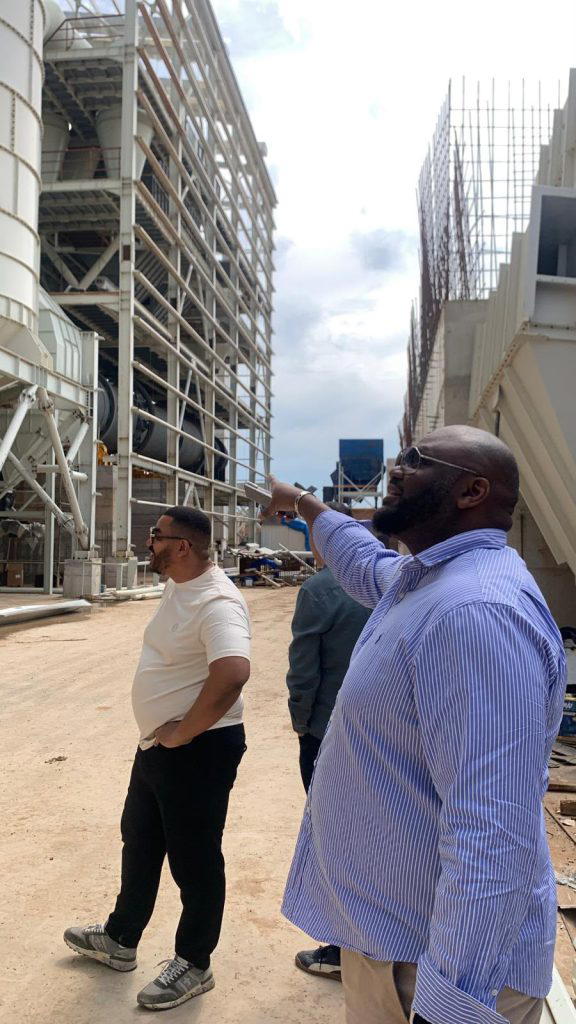
The proposed fertilizer manufacturing programme is expected to align with broader national objectives centred on food security, import substitution, industrialisation and economic diversification. Beyond supporting farmers, the facilities are projected to generate employment opportunities, stimulate industrial activity, encourage technology transfer and contribute to the growth of Nigeria’s manufacturing sector.
National Fertilizer and Food Security Initiative
Perhaps the most ambitious aspect of the partnership is its vision to establish a nationwide network of high-capacity fertilizer manufacturing plants capable of supporting Nigeria’s growing agricultural sector and strengthening long-term food security.
According to stakeholders close to the discussions, the alliance envisions developing strategically located production facilities that will serve major farming regions while creating an integrated industrial ecosystem comprising manufacturing, storage, logistics and distribution infrastructure.
The project is designed not only to increase fertilizer production but also to create a sustainable domestic supply chain capable of meeting rising national demand and reducing exposure to international supply disruptions.
Industry analysts note that Nigeria’s continued dependence on imported agricultural inputs has exposed farmers to foreign exchange volatility and supply shortages. A strong domestic fertilizer industry, they argue, would provide greater stability, improve affordability and support increased agricultural output.
The broader economic implications are also significant. Construction of the proposed facilities would support industrial expansion, create thousands of direct and indirect jobs and stimulate economic activity across multiple sectors.
Sources close to the alliance say the long-term objective extends beyond commercial returns.
“Our objective is not simply to participate in agriculture, but to help transform it. Through the development of world-class fertilizer manufacturing facilities and related industrial infrastructure, we aim to reduce import dependence, support Nigerian farmers, strengthen food security, create employment and contribute to the long-term prosperity of our nation,” representatives of the alliance stated.
Observers believe that by combining industrial expertise, agricultural innovation and strategic investment, the partnership could play a meaningful role in advancing Nigeria’s ambition to become a leading agricultural and agro-industrial hub in Africa.
A New Generation of Enterprise Leadership
Beyond its commercial prospects, many observers view the partnership as reflective of a broader shift taking place across Africa’s business landscape, where next-generation entrepreneurs are increasingly pursuing strategic collaborations to scale ventures, diversify investments and expand regional influence.
While both men are heirs to respected business legacies, industry stakeholders point out that their growing alliance is built on individual accomplishments and entrepreneurial success rather than family heritage alone. Both have established business interests and professional networks that extend beyond Nigeria, positioning them among a new generation of African entrepreneurs leveraging innovation, strategic partnerships and cross-border opportunities to drive growth.
The partnership is therefore being viewed as an example of how modern African business leaders are combining legacy, innovation and strategic collaboration to unlock new opportunities across key sectors of the economy.
One of Nigeria’s Most Watched Emerging Partnerships
Although details of future projects remain closely guarded, interest surrounding the alliance continues to grow within corporate, industrial and investment circles.
As Nigeria seeks innovative solutions to strengthen food security, expand industrial capacity, create jobs and attract investment, collaborations between experienced entrepreneurs are expected to become increasingly important.
For many observers, the coming together of Lanre Okoya and Les Ojugbana represents more than a business relationship. It reflects the convergence of industrial strength, entrepreneurial ambition and strategic vision at a time when Nigeria is positioning itself for a new phase of agricultural and industrial growth.
Should the alliance realise its anticipated potential, analysts believe it could emerge as one of the most influential private-sector partnerships in Nigeria’s agriculture, fertilizer manufacturing, industrial construction and broader economic development sectors, helping to shape a new chapter in indigenous enterprise, investment-led growth and sustainable development.
In an era where food security, industrial self-sufficiency and sustainable economic growth have become national priorities, the partnership is increasingly being viewed as a model for how visionary African entrepreneurs can leverage strategic collaboration to deliver transformational impact at scale.
The post Billionaire Okoya Family Alliance with Ojugbana Raises Stakes in Nigeria’s Agriculture and Industrial Construction Sectors appeared first on Vanguard News.