

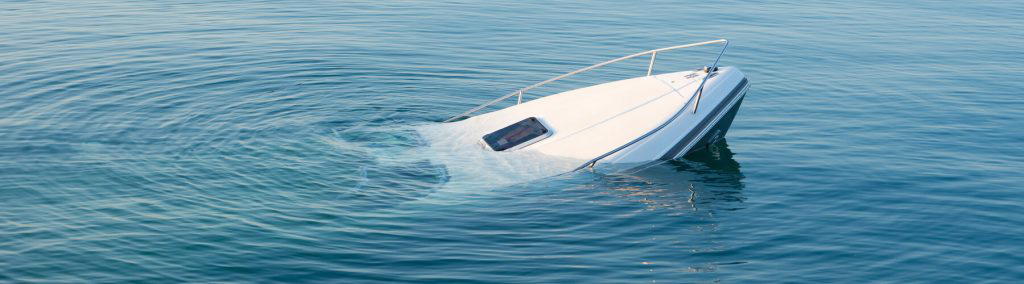
Nigeria must begin to confront boat mishaps as a national public-safety crisis. The latest tragedy at Gorau village in Goronyo Local Government Area of Sokoto State, where 65 people reportedly died, is too grim a reminder of the price Nigerians pay for regulatory failure and government neglect. The tragedy is particularly disturbing because it was entirely predictable. More than 70 people were reportedly aboard the ill-fated boat, many of them farmers, labourers, women, and children travelling to their rice farms. Reports indicated that about 40 of the bodies recovered were children. This was no isolated occurrence. Sokoto recorded 92 deaths in five boat accidents between 2020 and 2024, including 24 people killed at Dundaye in August 2024. Across Nigeria, at least 857 people died in boat accidents between January 2023 and October 2025, according to the International Centre for Investigative Reporting (ICIR). That translates to more than 26 deaths every month.
The pattern is depressingly familiar: overloaded boats, poorly maintained vessels, inadequate or absent life jackets, untrained operators, night journeys, disregard for weather conditions, and weak enforcement. These are known risks that responsible regulation should prevent. Indeed, Nigeria already has the rules. The Inland Waterways Transportation Regulations 2023 provide a statutory framework for regulating navigation and safety, while the National Inland Waterways Authority (NIWA) is responsible for registering boats and enforcing relevant standards. NIWA has also repeatedly declared life jackets mandatory and warned against overloading and night travel.
The problem is enforcement. There is also a deeper infrastructure problem. For many rural Nigerians, waterways are not optional recreational routes but the only practical means of reaching farms, markets, schools, and neighbouring communities. In some areas, poor roads and the absence of bridges force people onto dangerous waterways. The answer is the provision of viable alternatives. Government must establish a genuinely enforceable safety regime. Every commercial boat should be registered, inspected, and certified; passenger capacity must be visibly displayed and strictly enforced; manifests should be compulsory; and no boat should sail without adequate, certified life jackets for every passenger and crew member. Operators must be licensed and trained, while jetty officials should be empowered to stop unsafe departures.
Sokoto’s experience shows that distributing boats and life jackets is insufficient if vulnerable communities do not actually receive or use them. The state reportedly distributed 20 motorised boats and 2,000 life jackets last year, yet residents of Gorau said the intervention had not reached them. Has this been investigated, and have erring officials been adequately sanctioned for exposing boat passengers to the danger of boat mishaps? Nigeria cannot continue with the ritual of condolences, body recovery, and promises after every disaster. We must have more responsible and accountable governance. The time for mourning after every boat mishap must give way to a national culture of prevention, enforcement, and accountability.
The post Boat mishaps: When will they end? appeared first on Vanguard News.