

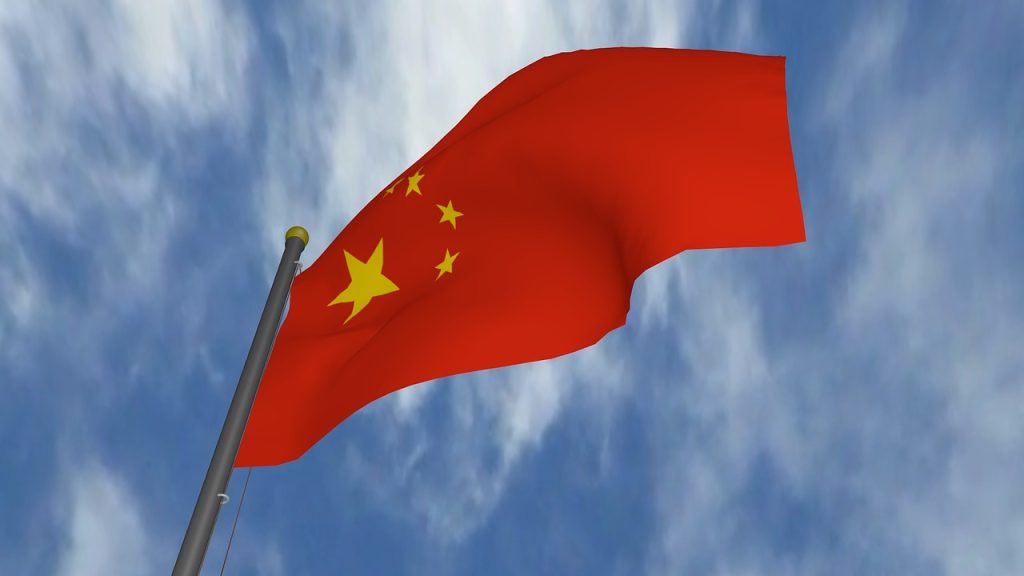
Nigeria must resolve the growing tension between Chinese retailers and indigenous traders without sacrificing consumers’ right of access to affordable goods. The bullish expansion of Chinese retail giant Sinomart International into Lagos, Ota, Ibadan and Enugu, with eyes on other Nigerian cities, has sharpened a dispute that erupted with protests at Lagos International Trade Fair Complex in September 2026. It also surfaced in Kano in October, with indigenous traders threatening to chase Chinese retailers out of Kano markets.
Traditionally, Chinese manufacturers supplied Nigerian importers and wholesalers, who financed shipments, cleared customs, absorbed exchange-rate and logistics risks, and distributed goods to retailers. Retailers then sold to consumers. Some Chinese suppliers are moving moving downstream, selling directly to customers of Nigerian businesses. Traders say they cannot compete with suppliers buying from factories and selling near their own purchase prices.
Sinomart is the best-known Chinese government-backed superstore in this expansion. Its outlets sell electronics, furniture, kitchenware, clothing, groceries, cosmetics and household goods. The dispute also involves Chinese merchants in specialist markets, including phone and auto-spare-parts trading. Available reporting does not establish that every Chinese retailer belongs to Sinomart or follows the same business model. No single recent policy created this opening. It reflects Nigeria’s investment framework, which permits foreign participation in many sectors subject to business, immigration, tax and product rules. The question is whether regulations clearly distinguish wholesale supply from retailing and are consistently enforced.
The advantages are real. Direct sourcing, bulk purchasing, large-scale distribution and fewer intermediaries can lower prices and widen choice. China’s government-backed manufacturing scale, dense supplier networks and factory competition make many goods cheaper than comparable products from elsewhere. Production costs and integrated supply chains matter, alongside shipping, tariffs, exchange rates and after-sales service. Cheap must not mean unsafe or substandard. The disadvantages are serious. Indigenous traders face lost customers, squeezed margins and possible closures, threatening jobs, apprenticeships and small-business capital.
If foreign suppliers dominate wholesale and retail, market power may concentrate, emasculating local distributors. Protests in Lagos and the reported expulsion of Chinese traders in Kano reflect these fears. But intimidation is unacceptable. The allegations must be investigated. Disputes must not be settled by mob action because Nigeria also has citizens doing business in China. Government should audit business permits, immigration approvals, tax compliance, customs declarations and product standards, then publish clear rules governing foreign participation in retail and wholesale trade. Restrictions must be lawful, evidence-based and nondiscriminatory. Where foreign operators may retail, enforce the same obligations and competition rules that apply to Nigerians. Nigeria should welcome investment that builds factories, trains workers, transfers technology and buys locally, while helping indigenous traders access credit, reliable power, digital tools and efficient logistics. Regulators must protect our local businesses without suppressing genuine price competition.
Nigerian interests must come first.
The post Chinese invasion of Nigerian retail market appeared first on Vanguard News.