

TRENDING
نائحة مُستأجرة  ووزير فاشل.. فخر انتاج بورتسودان • Informal workers demand 50:50 pension co-contribution • 2027: Lamido’s son emerges PDP gov’ship candidate in Jigawa • Retirees: Employers demand lifetime protection, transport cards, welfare reforms • Eid-el-Kabir: FRSC deploys 1889 personnel in Kano • India Hikes Fuel Prices Again Due To Middle East War • 2027: S-East won’t vote Tinubu, Enugu ADC fires back at Umahi • UCL: 29 teams qualify for 2026/2027 league phase [Full List] • إعلان نيروبي وأزمة الخيال السياسي السوداني.. هل تحاول القوى المدنية إنتاج مستقبل جديد؟ • العنصرية الناعمة في السودان.. حين يصبح القانون ضرورة وطنية • Wizkid opened door for African artists – Nasty C • 2027: Nigeria having worst party organizational politics – Sam Amadi • Gowon should apologise to Igbo over ‘Palm Tree’ war comment – Onoh • حول البيان الختامي لإجتماعات قوى إعلان المباديء السوداني نحو بناء وطن جديد • كبسولات في عين العاصفة: رسالة رقم (308) • ‘They love me here’: Ilechukwu celebrates Rangers’ title win in Lagos • ‘Pray for peace, prosperity’ – Hajj committee pleads with Kaduna pilgrims • خالد عمر: حملات تضليل وشراء للولاءات باسم “الكرامة” والسيادة الوطنية • خالد عمر: تمويل حملات وشراء للولاءات باسم “الكرامة” والسيادة الوطنية • حركة تحرير كوش تدين انتهاكات بورتسودان وتطالب بإطلاق سراح المعتقلين في عبري • نائحة مُستأجرة  ووزير فاشل.. فخر انتاج بورتسودان • Informal workers demand 50:50 pension co-contribution • 2027: Lamido’s son emerges PDP gov’ship candidate in Jigawa • Retirees: Employers demand lifetime protection, transport cards, welfare reforms • Eid-el-Kabir: FRSC deploys 1889 personnel in Kano • India Hikes Fuel Prices Again Due To Middle East War • 2027: S-East won’t vote Tinubu, Enugu ADC fires back at Umahi • UCL: 29 teams qualify for 2026/2027 league phase [Full List] • إعلان نيروبي وأزمة الخيال السياسي السوداني.. هل تحاول القوى المدنية إنتاج مستقبل جديد؟ • العنصرية الناعمة في السودان.. حين يصبح القانون ضرورة وطنية • Wizkid opened door for African artists – Nasty C • 2027: Nigeria having worst party organizational politics – Sam Amadi • Gowon should apologise to Igbo over ‘Palm Tree’ war comment – Onoh • حول البيان الختامي لإجتماعات قوى إعلان المباديء السوداني نحو بناء وطن جديد • كبسولات في عين العاصفة: رسالة رقم (308) • ‘They love me here’: Ilechukwu celebrates Rangers’ title win in Lagos • ‘Pray for peace, prosperity’ – Hajj committee pleads with Kaduna pilgrims • خالد عمر: حملات تضليل وشراء للولاءات باسم “الكرامة” والسيادة الوطنية • خالد عمر: تمويل حملات وشراء للولاءات باسم “الكرامة” والسيادة الوطنية • حركة تحرير كوش تدين انتهاكات بورتسودان وتطالب بإطلاق سراح المعتقلين في عبري
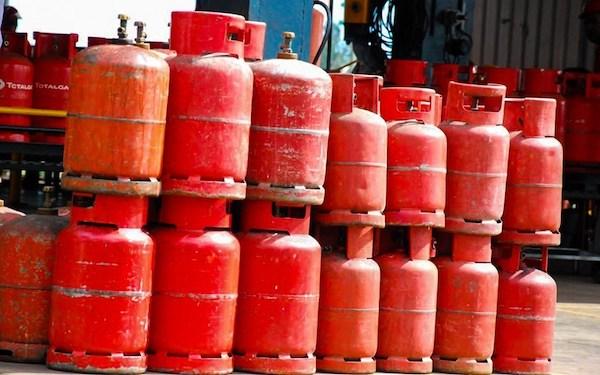
Cooking gas hits N1, 700/kg, marketers warn of looming revolt
Back to Home

Cooking gas hits N1, 700/kg, marketers warn of looming revolt

Vanguard Nigeria about 1 hour 3 mins read
cooking gas

By  Sebastine Obasi

The Nigerian Association of Liquefied Petroleum Gas Marketers, NALPGAM, has raised alarm over the soaring cost of cooking gas in the country, warning that the continuous increase in price could spark public outrage against operators of gas filling stations.

The association disclosed that cooking gas now sells between N1, 500 and N1, 700  per kilogram, while marketers pay between N25.2 million and N26.2 million for a 20-metric-tonne truck of liquefied petroleum gas, depending on location.

Speaking on the development, NALPGAM National President, Mr. Edu Inyang, appealed to the Federal Government to urgently intervene and stabilise the supply and pricing of the product to prevent further hardship on Nigerians.

According to him, the current situation has placed millions of households, food vendors, small businesses and low-income earners under severe pressure, as many Nigerians can no longer afford cooking gas for daily use.

“It is sad and rather very pathetic to inform the general public that Nigerians have woken up to buy cooking gas, which should be a social item, at a prohibitive cost of over N1,500 per kilogram. We feel that if the situation is not immediately checked, citizens may rise against owners of gas filling stations”, Inyang said.

He attributed the rising cost of LPG to persistent supply shortages, high depot prices, logistics bottlenecks and escalating operational costs faced by marketers nationwide.

Inyang warned that the development was undermining years of progress recorded in Nigeria’s clean energy drive, noting that many households were already reverting to firewood and charcoal due to the high cost of cooking gas.

According to him, the trend poses serious risks to public health, environmental sustainability and the country’s clean energy targets.

He further warned that failure to urgently address the crisis could worsen food inflation, lead to job losses, cripple small LPG retail businesses and reduce investor confidence in the sector.

NALPGAM therefore called on the Federal Government, the Ministry of Petroleum Resources, the Nigerian Midstream and Downstream Petroleum Regulatory Authority (NMDPRA), NNPC Ltd., domestic producers and other stakeholders in the LPG value chain to take immediate and coordinated action to stabilise the market.

The association recommended increased domestic supply allocation, transparent product distribution, removal of bottlenecks in importation and distribution, as well as strategic interventions to make cooking gas more affordable and accessible to Nigerians.

The post Cooking gas hits N1, 700/kg, marketers warn of looming revolt appeared first on Vanguard News.

This article was sourced from an external publication.

Share this article

Comments (0)

Want to join the discussion?

Sign in to post comments and engage with the community.

Be the first to comment!

OneClick Africa Logo

Africa's premier digital hub for impactful news, entertainment, and business insights.

© 2026 OneClick Africa. All rights reserved.