

By Peter Egwuatu
Nigeria’s campaign against illicit alcohol deserves to be seen for what it truly is, not simply a fight against counterfeit drinks, but a battle to protect consumers, safeguard legitimate businesses and defend the country’s economic future.
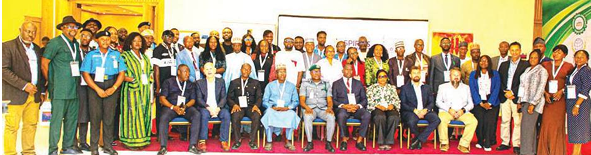
The recent efforts by the Spirits and Wines Association of Nigeria (SWAN) to rally regulators, policymakers and other stakeholders against illicit trade have come at a critical time. Counterfeit wines and spirits, smuggled products, and illegal distilleries have become an increasingly serious threat to one of Africa’s largest consumer markets, exposing weaknesses in border controls, market surveillance, and law enforcement.
Too often, illicit alcohol is treated as a narrow regulatory issue affecting one industry. But it is far more than that; it is, in fact, an economic crime that deprives the government of revenue, discourages investment, distorts competition, and weakens confidence in Nigeria’s economic ambitions.
Left unchecked, it rewards criminality while punishing compliance, a dangerous downturn for any economy seeking sustainable growth.
The country’s wines and spirits industry is far more than a niche consumer market. It is a multi-billion-dollar sector that supports manufacturing, logistics, wholesale and retail trade, hospitality, and thousands of direct and indirect jobs. Driven by Nigeria’s youthful population, urbanisation, and expanding middle class, it has become one of the fastest-growing segments of the country’s consumer goods industry.
The spirits market alone is estimated at almost $2 billion, while the sweet wine segment generates between $400 million and $420 million annually. Beer accounts for roughly 55 percent of Nigeria’s alcoholic beverages market, followed by spirits at 30 percent and wine at 15 percent and demand for premium products has continued to rise, making Nigeria one of Africa’s most attractive markets for international wines and spirits.
Yet the industry’s enormous potential is increasingly threatened by illicit trade.
According to SWAN, counterfeit and smuggled wines and spirits now account for about 40 percent of products sold in Nigeria, costing the economy an estimated N428 billion every year through smuggling, tax evasion, counterfeiting and illegal production.
Those losses could hardly come at a worse time.
As the federal government searches for new domestic revenue sources to reduce dependence on oil and as well, finance infrastructure, healthcare, and education, hundreds of billions of naira continue to leak into the informal economy. Every illicit bottle sold represents excise duties, customs revenue, and value-added tax that will never reach public coffers.
However, the damage extends well beyond lost taxes and revenue.
Every counterfeit product sold displaces a legitimate manufacturer that complies with quality standards, pays taxes, invests in factories, and creates jobs. These companies spend millions of naira on product development, staff training, packaging, distribution, and regulatory compliance. Criminal enterprises invest only in avoiding those obligations.
The result is a marketplace where businesses that obey the law are forced to compete against operators whose business model depends entirely on breaking it. In clear terms, such competition is neither fair nor sustainable.
For investors, the implications are equally significant. Companies considering long-term investments in Nigeria’s consumer goods sector seek predictable markets where regulations are enforced consistently. When counterfeit operators flourish with relative impunity, confidence in regulatory institutions weakens, increasing both commercial risk and the cost of doing business.
Nigeria cannot realistically aspire to become a manufacturing hub while organised criminal enterprises enjoy structural advantages over legitimate producers.
The public health implications are equally concerning.
Unlike counterfeit luxury goods or pirated entertainment, illicit alcohol has the potential to cause serious health consequences when criminal operators use unsafe ingredients or ignore recognised production standards. Around the world, methanol poisoning linked to illicit alcohol has resulted in avoidable deaths and permanent disabilities.
Legitimate manufacturers have consistently emphasised that such incidents are overwhelmingly linked to criminal operators rather than recognised brands. Even so, consumer confidence suffers whenever illicit products enter the market. This is because compliant businesses also bear the consequences once consumers begin questioning product authenticity.
Trust, once lost, is difficult to rebuild. That is why communication around illicit alcohol must remain balanced. Public awareness campaigns should educate consumers about buying from reputable retailers and identifying suspicious products without creating unnecessary fear about legitimate brands, which continue to operate under established regulatory standards.
SWAN deserves credit for elevating this issue beyond the interests of manufacturers. By presenting illicit trade as a threat to economic development, government revenue, and consumer protection, the association has helped shift the conversation towards a broader national concern.
Awareness, however, is only the beginning.
Africa’s most populous nation has held countless meetings on smuggling, counterfeiting and illicit trade across multiple sectors. The real challenge has never been about recognising the problem; it has always been about sustaining enforcement.
Today, responsibility for combating illicit trade is spread across Customs, NAFDAC, the Standards Organisation of Nigeria, tax authorities, and law enforcement agencies, among others. Each institution performs an important role, but criminal syndicates exploit the gaps between them.
That fragmented approach must change.
The Dominican Republic provides an instructive example of what coordinated action can achieve. After hundreds of methanol-related deaths between 2019 and 2021, authorities established a national task force bringing together customs, police, health authorities, commerce officials, and industry representatives. Intelligence sharing improved, coordinated raids dismantled illegal production facilities, and offenders faced stronger prosecution.
The results speak for themselves. By 2025, the country had recorded three consecutive years without methanol-related deaths, seized more than 155 million illicit alcohol products, and secured dozens of judicial convictions.
Nigeria should draw important lessons from that experience. The government must move beyond periodic seizures that generate headlines but rarely dismantle criminal networks. Intelligence-led investigations should identify manufacturers, financiers, distributors and retailers that sustain illicit trade. Successful prosecutions, not occasional confiscations should become the norm as a true measure of enforcement.
Border security also requires renewed attention. The nation’s porous frontiers facilitate not only illicit alcohol but also fuel smuggling, counterfeit medicines, illegal tobacco, and numerous other forms of organised crime. Investments in technology, intelligence-sharing and risk-based inspections would strengthen enforcement across multiple sectors.
Product traceability should also become a national priority. Secure production coding and improved supply-chain monitoring can make it considerably harder for counterfeit products to infiltrate legitimate retail channels.
Equally important is ensuring that penalties become meaningful. Criminal enterprises continue to thrive because many offenders believe the chances of detection and successful prosecution remain low. Until that calculation changes, illicit trade will remain an attractive business.
Consumers also have a role to play by purchasing alcoholic beverages only from reputable retailers, avoiding suspiciously cheap products, and reporting questionable goods to the appropriate authorities. But consumer vigilance cannot substitute for effective law enforcement.
Ultimately, the responsibility rests with the government. The fight against illicit alcohol should be viewed alongside efforts to combat crude oil theft, counterfeit pharmaceuticals, illegal mining, and fuel smuggling. These are not isolated crimes; they are different manifestations of the same institutional weakness—organised criminal networks exploiting gaps in state capacity for commercial gain.
Nigeria has shown before that determined enforcement can disrupt illegal markets. What is required now is sustained political commitment.
Winning this battle will do more than remove counterfeit bottles from shop shelves. It will protect consumers, strengthen public finances, encourage investment and restore confidence in an industry that contributes billions of dollars to economic activity and supports thousands of jobs.
More importantly, it will demonstrate that Nigeria is serious about building an economy where honest businesses are rewarded, compliance matters, and organised crime no longer enjoys a competitive advantage.
That is the economy Nigerians deserve and one the government must now be determined to defend.
The post Crushing Nigeria’s illicit alcohol trade before it costs more lives appeared first on Vanguard News.