

By Emma Ujah, Abuja Bureau Chief
The Nigeria Customs Service (NCS) is considering a review of the mandate of its Customs Police Unit (CPU), particularly its responsibility for escorting containers in transit, following the adoption of advanced technology for cargo monitoring.
The Comptroller-General of Customs, Mr. Adewale Adeniyi, disclosed this at the Customs Police Unit Summit, which concluded in Abuja at the weekend.
Adeniyi said the Service had acquired technology capable of monitoring containers from seaports to their destinations, including dry ports in the hinterland, making it necessary to reassess some of the unit’s traditional responsibilities.
He recalled that the inauguration of the unit in 2019 generated agitation and resentment among some personnel, partly because of concerns about its assigned responsibilities.
With technology providing more effective ways of monitoring cargo in transit, he said, the time had come to review the unit’s mandate and identify duties that could be performed more efficiently through modern systems.
The Customs boss also stressed the need for collaboration with other security agencies and anti-corruption bodies, noting that effective Customs policing required expertise in intelligence gathering, surveillance, risk analysis and modern investigative techniques.
He urged officers to respect human rights, observe due process and ensure the proper treatment of suspects.
CPU must uphold integrity
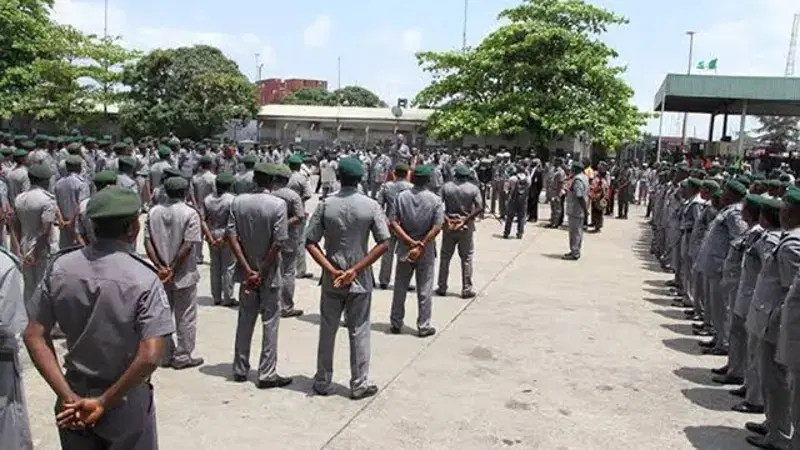
Addressing personnel of the unit, Adeniyi charged them to uphold discipline, restraint and integrity, describing these values as essential to protecting the reputation of the Service.
“The red that you wear carries the trust of Nigerians and the reputation of the Service. Wear it with discipline, wear it with restraint, wear it with pride,” he said.
He urged Customs officers to stay ahead of smugglers through intelligence-led operations, technology deployment and professionalism, warning that criminal networks were becoming increasingly sophisticated.
According to him, the growing sophistication of criminal networks requires smarter enforcement strategies rather than continued reliance on conventional methods.
“Criminal networks have grown more sophisticated. They use the same routes as legitimate traders to move firearm components, narcotics, fake medicines, protected wildlife and illicit funds, often through digital channels. Our answers must be smarter; they must not be harder,” he said.
Adeniyi called for a more professional, accountable and technology-driven Customs Police Unit capable of addressing emerging security threats, combating illicit trade, strengthening institutional integrity and protecting the nation’s borders.
Authority requires restraint
The Comptroller-General further charged CPU personnel to demonstrate the highest standards of integrity, stressing that the Service must lead by example before demanding accountability from traders and members of the public.
“Before we demand integrity from traders and the public, we must show it ourselves,” he said.
He also cautioned officers against abusing their enforcement powers, noting that the Nigeria Customs Service Act 2023 had vested extensive police powers in the Service, which must be exercised within the limits of the law.
“Authority requires restraint. The NCS Act 2023 gives us sweeping police powers, but every search, arrest and detention must rest on lawful grounds and withstand public and judicial scrutiny,” he said.
Adeniyi explained that enforcement and trade facilitation should complement each other, citing initiatives such as the One-Stop Shop and World Customs Organisation instruments, including the Safe Framework of Standards, Authorised Economic Operator programmes, Advance Rulings, Time Release Studies and the Revised Kyoto Convention.
He said the instruments were designed to reduce opportunities for abuse, corruption and arbitrary exercise of discretion.
The Customs chief said the Service had undergone significant structural renewal and remained committed to building a disciplined, responsive and professional police unit.
He recalled that since its establishment in 2018, the Customs Police Unit had undertaken complex investigations, lawful arrests and enforcement support operations, contributing to the protection of the Service’s institutional interests.
However, he said changing global trade patterns and emerging national security threats had made continuous reviews of the unit’s operational framework and personnel capabilities imperative.
He warned that enforcement without professionalism could result in injustice, while the unaccountable exercise of authority could erode public confidence in the institution.
Earlier, the Assistant Comptroller-General of Customs in charge of Headquarters, Mr. Muhammad Shuaibu, described the CPU as critical to national security, internal discipline, specialised criminal investigations and compliance monitoring.
He said the unit’s responsibilities included enforcing regulations, investigating misconduct, protecting officers and promoting professionalism and accountability.
The post Customs to review Police Unit’s container escort mandate — Adeniyi appeared first on Vanguard News.