

For a decade, the story of Nigerian travel was mostly a story of leaving. Nigerians going abroad for holidays, for shopping, for medical trips, for weddings. Nigerians in the diaspora coming home briefly for Christmas. The idea of a Nigerian family choosing a weekend in Calabar over a trip to Dubai was, for many, unusual.
That is quietly beginning to change. A combination of tighter travel budgets, weaker foreign exchange rates, better local supply, and a new generation of Nigerian creators showcasing the country on TikTok has begun to shift the calculus. Domestic tourism, long the neglected cousin of outbound Nigerian travel, is starting to have a moment.
The numbers behind the shift
The clearest signal has come from Lagos. During Detty December in December 2024, the state generated roughly N111.5 billion in hospitality revenue, according to MO Africa Consulting figures cited by BusinessDay. Diaspora spending during the same window has been reported at N396 billion. Hotel occupancy across the state ran at ninety to ninety five percent for parts of the season.
Lagos is not alone. The Lagos short let market as a whole was estimated at roughly N281 billion in 2025 by Edala Development, as reported by Nairametrics. That figure captures the year round short let economy across Lagos alone, not the Detty December window.
What is important about these numbers is not their absolute size. It is what they represent. A large share of the spending is coming from Nigerians, not from foreign tourists. The domestic market is now large enough to sustain year round hospitality investment in places that previously depended on the December window.
Abuja: quietly building a year round tourism economy
Abuja has spent years being seen as a government town rather than a leisure destination. That is beginning to shift. The city has built a critical mass of well designed short let apartments in Guzape, Maitama, Wuse, and Jahi. Restaurants and lounges have proliferated. Wedding tourism has become a serious economic driver, particularly for Kaduna and Kano weddings that use Abuja hotels as accommodation.
The current appeal of Abuja for weekend travellers from Lagos is not that the city is dramatic. It is that Abuja delivers a calm, high quality Nigerian city break with reliable roads, less traffic, and short let inventory that has been quietly professionalising.
Port Harcourt and the Southern circuit
Port Harcourt is Nigeria’s most underrated hospitality city. Restaurants in the Old and New GRA districts have grown a national reputation. The nightlife scene is anchored around a small cluster of high quality venues. Domestic tourism to Port Harcourt has historically been dominated by business travellers, but the leisure share is growing.
Cross River state, and Calabar in particular, remains the country’s most established leisure destination. The Calabar Carnival draws visitors from across Nigeria and increasingly from the diaspora. Obudu Mountain Resort continues to appear in every list of Nigerian domestic escapes worth taking.
Benin, Osogbo, and the cultural circuit
Benin City has begun to see rising interest as a cultural tourism destination, driven partly by international attention to the Benin Bronzes conversation and partly by improved short let inventory. Osogbo’s Osun sacred grove, a UNESCO World Heritage site, continues to draw visitors from Lagos and Ibadan for weekend cultural trips.
What is driving the shift
The single biggest driver has been foreign exchange. As international travel became more expensive in naira terms, the alternative of a well organised Nigerian trip became more competitive. A weekend in Abuja or a long weekend in Calabar now compares favourably on price with what the same money would buy in Dubai or Nairobi.
The second driver has been supply. Nigerian short let inventory has grown rapidly, particularly in Lagos, Abuja, and Port Harcourt. Independent apartment operators, professional short let managers, and a new wave of booking platforms have made it far easier to find and book a Nigerian stay than it was five years ago.
The third driver is content. Nigerian creators on TikTok, Instagram, and YouTube have been showcasing Nigerian destinations to Nigerian audiences at a scale that previous tourism marketing campaigns never managed. Pelumi Nubi’s London to Lagos drive drew national attention. Steven Ndukwu’s cinematic Nigerian city films regularly cross a million views. Small food and lifestyle accounts in each of the four major cities have built loyal audiences that treat their weekend guides as essential planning content.
Where the platforms are
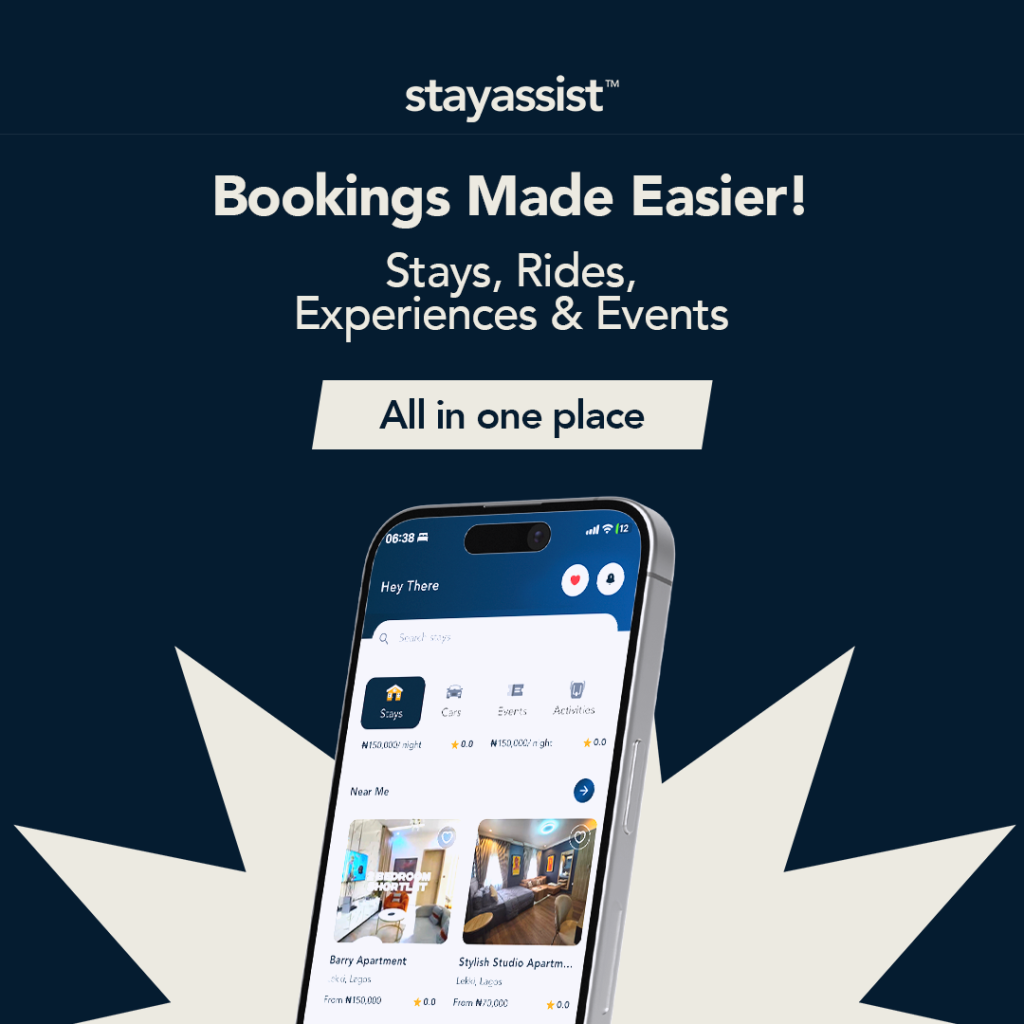
A wave of Nigerian booking platforms has grown up alongside the market. Some focus on premium short lets. Some focus on flexible monthly rentals. Some are building multi vertical stacks that combine short lets with rides, restaurant reservations, and event tickets under one app. Stay Assist, which operates in Abuja, Lagos, Port Harcourt, and Benin, is one example of this multi vertical model, combining a catalogue of verified stays with mobility services, curated local experiences, and event tickets inside one app. Independent property owners can list through its dedicated hosts portal. Others such as Spleet, Muster, NimbleCasa, and Letlo occupy different points in the same broad landscape.
What most of these platforms share is a bet that Nigerian domestic tourism will continue to grow, and that consumers will increasingly prefer to book through platforms that verify properties and handle payments transparently rather than through fragmented WhatsApp channels.
What is still missing
Nigerian domestic tourism still lacks a fully modern national infrastructure. Airline reliability remains a serious constraint. Road safety on long distance travel is uneven. The Ministry of Tourism has yet to publish a fully updated, publicly accessible domestic tourism strategy. Consumer protection in the short let market has yet to catch up with the sector’s growth.
But the direction of travel is clear. Nigerians are increasingly willing to spend their leisure budgets inside Nigeria. The cities that are building the year round hospitality infrastructure to serve them are the ones that stand to benefit.
The post Domestic tourism in Nigeria: The Cities Quietly Leading the Rebound appeared first on Vanguard News.