

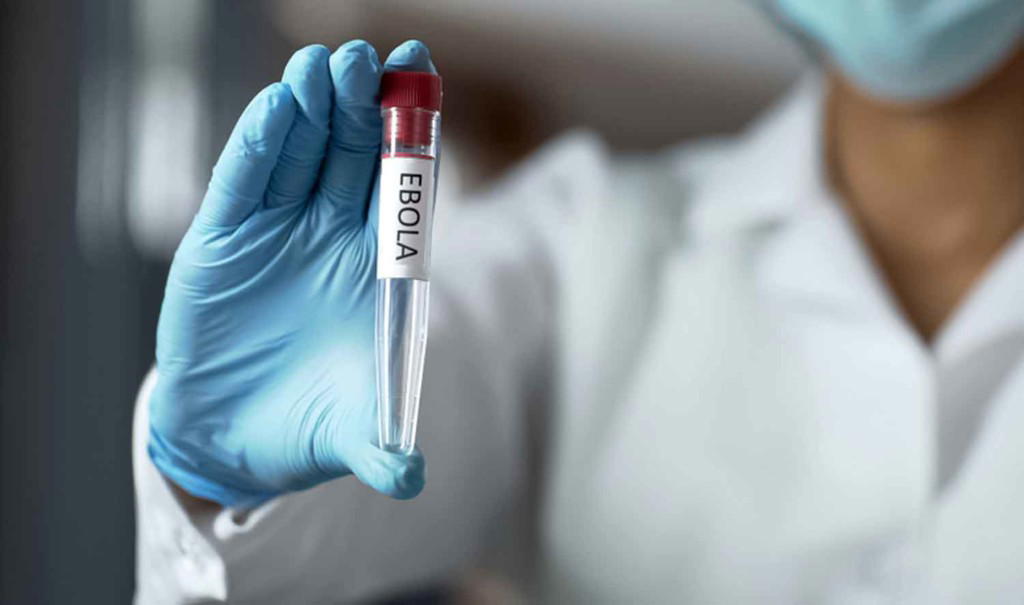
Ebola virus is a dangerous virus that causes Ebola virus disease (EVD), a serious infectious illness that can be fatal. The virus can spread from infected animals to humans and from one infected person to another through direct contact with infected blood and other bodily fluids.
Ebola can cause fever, severe weakness, headache, vomiting and diarrhoea. In severe cases, the disease can damage vital organs and cause bleeding. However, not everyone who contracts Ebola dies. Early diagnosis and appropriate medical care can improve the chances of survival.
Scientists believe that fruit bats may be natural hosts of the Ebola virus, although its natural reservoir has not been definitively confirmed. Humans may become infected through contact with infected wild animals, including fruit bats, monkeys, chimpanzees, gorillas and other susceptible animals.
Causes and symptoms of ebola
Ebola virus disease is caused by infection with an Ebola virus. The disease can affect several parts of the body and may become severe without appropriate medical care.
Symptoms usually appear between two and 21 days after exposure to the virus, although they often begin within eight to 10 days.
Early symptoms include sudden high fever, severe headache, extreme weakness, tiredness, muscle and joint pain, sore throat and loss of appetite.
As the disease progresses, other symptoms may develop, including vomiting, diarrhoea, severe abdominal pain and skin rash. Some patients may experience unexplained bruising or bleeding from the gums, nose or other parts of the body.
In severe cases, Ebola can cause complications affecting the liver, kidneys and other vital organs.
However, not everyone with Ebola experiences bleeding.
Fever, headache and weakness alone do not necessarily indicate Ebola because malaria, Lassa fever and other illnesses can cause similar symptoms. Medical assessment and appropriate laboratory testing are necessary to establish the cause of the illness.
How ebola spreads
Ebola spreads primarily through direct contact with the blood or other bodily fluids of an infected person who has developed symptoms. These fluids include vomit, stool, urine and other secretions that may contain the virus.
A person can become infected when these fluids enter the body through broken skin or the eyes, nose or mouth. Family members and healthcare workers may be exposed when caring for infected patients without appropriate protective equipment.
The virus can also spread through contaminated objects, such as needles, clothing, bedding and medical equipment, particularly when they contain infectious bodily fluids.
Another significant source of transmission is the body of a person who has died from Ebola. The body may remain infectious, making traditional burial practices involving direct contact with the deceased particularly dangerous.
Humans may also contract Ebola through contact with infected wild animals, including certain bats and non-human primates.
Ebola does not ordinarily spread through the air like measles or influenza. Simply walking past an infected person, living in the same city or travelling on the same flight does not automatically mean that someone will contract the disease. The risk depends on the nature of the exposure.
Generally, people infected with Ebola are not considered contagious before symptoms develop. Nevertheless, anyone who has had contact with a confirmed case should follow public health instructions and seek guidance from health authorities.
What to do If you suspect ebola infection
Anyone who suspects they may have contracted Ebola should seek urgent medical guidance and follow the instructions of public health authorities.
The first step is to contact the relevant health authorities if symptoms develop after contact with a suspected or confirmed Ebola patient or following possible exposure in an area experiencing an outbreak.
It is important to call a hospital or healthcare facility before visiting. Informing medical personnel about the symptoms and possible exposure allows them to make appropriate arrangements to receive the patient safely and reduce the risk of further transmission.
While awaiting medical guidance, the suspected patient should avoid close contact with other people and should not share items that may be contaminated with bodily fluids.
People who suspect Ebola infection should not attempt to treat themselves with traditional remedies or take medicines without medical guidance. The disease requires specialised medical assessment and care.
Treatment may include providing fluids to prevent dehydration, correcting electrolyte imbalances, managing complications and supporting affected organs.
Specific antibody treatments are available for certain types of Ebola virus disease.
Early diagnosis and appropriate medical care can significantly improve the chances of survival.
Prevention of ebola
Preventive measures are essential for reducing the risk of Ebola infection, particularly during an outbreak.
People should wash their hands regularly with soap and water and avoid contact with the blood and bodily fluids of anyone suspected of having Ebola. They should also avoid touching the bodies of people who may have died from the disease.
Handling sick or dead wild animals should be avoided, as some animals can carry the virus. Healthcare workers and caregivers should use appropriate protective equipment when attending to suspected or confirmed cases.
Anyone who has been exposed to a confirmed Ebola case should contact health authorities promptly and follow their instructions on monitoring and other necessary precautions.
Vaccines are available against certain types of Ebola virus, but they do not protect against every Ebola virus species. Vaccination programmes and other public health measures depend on the type of virus involved and the circumstances of an outbreak.
Ebola Situation in Nigeria
As of October 20, 2026, the Federal Government has announced a laboratory-confirmed case of Ebola virus disease in the Federal Capital Territory (FCT).
According to the government’s announcement, the patient was a woman who had recently arrived in Nigeria on an international flight from Uganda.
Following the confirmation, the Federal Government called on public and private healthcare facilities nationwide to remain on high alert.
Healthcare workers were urged to maintain a high index of suspicion, promptly identify and isolate suspected cases, observe strict infection prevention and control measures, and immediately report suspected cases to public health authorities.
The confirmation of a case does not mean that everyone in Abuja or elsewhere in Nigeria is at risk of infection. Health authorities must assess the patient’s contacts and determine whether anyone had an exposure that could have transmitted the virus.
People without a known exposure should remain calm, practise good hygiene and obtain information from official public health announcements rather than relying on rumours or unverified social media reports.
Anyone who believes they may have been exposed to the confirmed case should contact the relevant health authorities for guidance. People who develop symptoms after a possible exposure should seek urgent medical advice and notify the healthcare facility before arriving.
Difference between ebola and malaria
Ebola and malaria can initially produce similar symptoms, particularly fever, headache and weakness. However, the two diseases have different causes and modes of transmission.
Ebola is caused by a virus, while malaria is caused by parasites of the genus Plasmodium. Ebola is transmitted primarily through contact with infectious bodily fluids or contaminated materials, whereas malaria is usually transmitted through the bite of an infected female Anopheles mosquito.
Both diseases can cause fever, headache, weakness and vomiting. However, Ebola may cause severe diarrhoea, abdominal pain and bleeding in some patients. Bleeding is not a typical symptom of uncomplicated malaria.
The diseases also require different diagnostic tests and treatments. Ebola requires specialised medical care, with specific antibody treatments available for certain types of the disease. Malaria is treated with appropriate antimalarial medicines.
Because their symptoms can overlap, it is not possible to reliably distinguish Ebola from malaria based on symptoms alone. Medical assessment and appropriate laboratory testing are necessary to establish the correct diagnosis and ensure that the patient receives the appropriate treatment.
The post Ebola Virus: 7 things to know about causes, symptoms, prevention appeared first on Vanguard News.