

Traditionally, every festive season, the cost of food items, particularly meat, soars.
The Eid-el-Kabir, popularly known as ‘Ileya’ in local Yoruba parlance, is not an exception, and that is the situation now, as Ileya comes up in two days.
However, like, in every tough situation in Nigeria, the people know how to get their way around it.
Many families have confessed to Economy&Lifestyle that they are pooling resources together to beat the high cost of meat, this time around.
A market survey conducted by Economy&Lifestyle across major livestock hubs in Nigeria revealed an unprecedented surge in prices.
Small rams that sold for below N100,000 in previous years, now go for between N200,000 and N350,000 price tag.
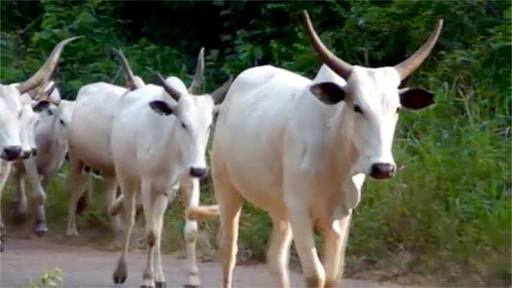
Medium to large rams are hitting between N450,000 and N900,000, while the cost of a healthy bull or cow ranges from N1.5 million to over N3 million, depending on location and weight.
The rise of ‘ajo’ cow
sharing
Faced with these prohibitive prices, many families have abandoned the traditional practice of solely buying of rams to celebrate Ileya. Instead, they are adopting “cow sharing” networks, or bulk–slaughter contribution, commonly known as ‘Ajo’.
The mothod sees contributors divide both the financial burden and the meat.
Mr. Idris Garuba, a trader said: “I can hardly take care of my bills. School fees, rent and other expenses this year.
“I just bought a bag of rice and 25 litres of vegetable oil, which I sent home to my mother. Myself and my extended family recently held an emergency financial meeting to plan for the upcoming festival.
“Instead of the three rams typically purchased by different households within the family, ten members contributed N100,000 each to buy a single medium-sized cow.
“If you look at the economy right now, individual sacrifice has become a luxury that honest salary earners cannot afford.”
“We had to be realistic. Food prices are rising weekly, electricity tariffs are high, and transport fares have eaten up our disposable income.
“By coming together, we ensure that our children can still enjoy the spirit of Ileya without plunging our households into deep debt.”
Market realities and
trader woes
Livestock traders are equally feeling the pinch, lamenting record-low patronage despite having significant stock available. Many blame the astronomical rise on the logistics of moving cattle. According to cattle dealers hauling a truck of livestock now costs up to N1million due to persistent fuel price increases and extortion along federal highways.
“Customers come here, hear the price, and just walk away shaking their heads,” explained Nuru Ibrahim, a livestock vendor.
“We are not trying to cheat anyone. We buy these animals at high rates from the north, and the cost of diesel to transport them down south has doubled.
” If we don’t sell at these prices, we will face total bankruptcy.”
For many families, this communal strategy is the only viable path to maintaining long-held religious obligations and preserving cultural dignity. Islamic scholars have also increasingly validated the practice, noting that joint contributions for a large animal are fully compliant with the tenets of the Eid sacrifice.
As the countdown to the festival continues, online social media platforms and community town halls have turned into makeshift marketplaces where individuals actively look for reliable partners to fill “slots” for bulk meat sharing, cementing a collaborative economy born out of absolute financial necessity.
The post Eid el Kabir: Families adopt cow sharing strategies as cost of meat soar appeared first on Vanguard News.

 Premium TImes
 This Day
 Punch Nigeria