

TRENDING
The Complete Sports Celebrity Workout 2026 Is Here! • Kano rainstorms claim nine lives, displace over 4,500 in eight months — Official • FIFA unsure if Infantino will attend U-20 Women’s World Cup • OSP invites Patricia Appiagyei over alleged GHS70,000 vetting payment • Watuhumiwa wawili wa mauaji ya mfanyabiashara Mbeya wafa kwa risasi • ‘Why wait until you’re called out’ — VeryDarkMan tackles Wike over Abuja flooding • Nigerian man arrested in Canada over alleged sexual assault of woman, underage girl • Police Confirm Five Deaths In Attack On Sokoto Communities • Dickie V's Dazzling Dozen: Everything to watch this coming season • Tinubu, Shettima, others to chart 20-year North Central development plan • Ex-Liverpool player Ibe sentenced for assault on ex-girlfriend • Defence Ministry holds send-off ceremony for outgoing Deputy Minister Brogya Genfi • France announces €1 billion aid for farmers recovering from drought, heatwaves • Climate Change Advisors Ghana joins Buzstop Boys to clean Cape Coast ahead of Fetu Afahye • It may be time to end vetting if it has become an avenue for extortion – Kwaku Azar • Avoid conduct that creates perception of judicial bias — CDD-Ghana urges Chief Justice • RC Mtanda: Simiyu nimekuja kufanya kazi, sina chawa • COAS Favours PPP to Modernise Nigerian Army Healthcare Facilities • ‘We’ve no hand in Uber’s exit’ – FAAN opens up on disputes with e-hailing firms • Alleged drug trafficking: Atiku’s camp fires back at Presidency • The Complete Sports Celebrity Workout 2026 Is Here! • Kano rainstorms claim nine lives, displace over 4,500 in eight months — Official • FIFA unsure if Infantino will attend U-20 Women’s World Cup • OSP invites Patricia Appiagyei over alleged GHS70,000 vetting payment • Watuhumiwa wawili wa mauaji ya mfanyabiashara Mbeya wafa kwa risasi • ‘Why wait until you’re called out’ — VeryDarkMan tackles Wike over Abuja flooding • Nigerian man arrested in Canada over alleged sexual assault of woman, underage girl • Police Confirm Five Deaths In Attack On Sokoto Communities • Dickie V's Dazzling Dozen: Everything to watch this coming season • Tinubu, Shettima, others to chart 20-year North Central development plan • Ex-Liverpool player Ibe sentenced for assault on ex-girlfriend • Defence Ministry holds send-off ceremony for outgoing Deputy Minister Brogya Genfi • France announces €1 billion aid for farmers recovering from drought, heatwaves • Climate Change Advisors Ghana joins Buzstop Boys to clean Cape Coast ahead of Fetu Afahye • It may be time to end vetting if it has become an avenue for extortion – Kwaku Azar • Avoid conduct that creates perception of judicial bias — CDD-Ghana urges Chief Justice • RC Mtanda: Simiyu nimekuja kufanya kazi, sina chawa • COAS Favours PPP to Modernise Nigerian Army Healthcare Facilities • ‘We’ve no hand in Uber’s exit’ – FAAN opens up on disputes with e-hailing firms • Alleged drug trafficking: Atiku’s camp fires back at Presidency
Fuel Subsidy: Nigeria’s pricing model must change – Gov Makinde
Back to Home

Fuel Subsidy: Nigeria’s pricing model must change – Gov Makinde

Vanguard Nigeria about 2 hours 3 mins read
Fuel Subsidy: Nigeria’s pricing model must change – Gov Makinde

By Sekinat Osundiji

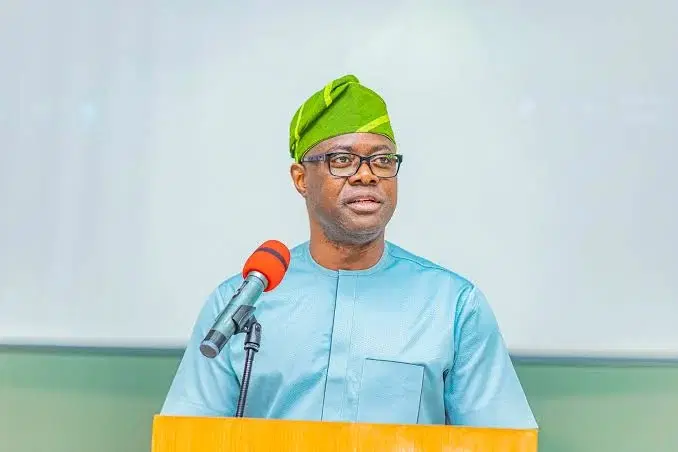
Oyo State Governor Seyi Makinde has called for a rethink of Nigeria’s petroleum pricing system, saying the debate should no longer be limited to whether fuel subsidy should be removed or restored.

Makinde argued that as an oil-producing country, Nigeria should instead examine whether the framework used to determine petrol prices reflects the country’s economic realities and allows citizens to benefit fairly from its natural resources.

The governor made the submission in a newsletter titled The Business of Governance, published on his official website as part of his proposed “Reset Nigeria” movement.

According to Makinde, the longstanding argument over fuel subsidy has failed to address the more fundamental issue of how petroleum prices are actually determined.

“Different countries arrive at petroleum prices differently. What Nigerians deserve to know is the current pricing framework and the assumptions that determine what we pay at the pump,” he said.

He called for greater transparency around the components used to arrive at petrol prices, including crude oil benchmarks, refining costs, margins, exchange-rate assumptions, logistics, distribution costs, taxes and levies.

Makinde said making such information available would allow Nigerians to understand the basis for the prices they pay and compare the existing model with possible alternatives.

The governor also rejected the argument that higher domestic petrol prices were necessary to discourage smuggling into neighbouring countries.

“We should also reject the argument that Nigerians must pay more for petroleum products simply to eliminate the price difference that makes smuggling into neighbouring countries profitable,” Makinde said.

“Nigerians should not be made to bear the cost of government’s inability to secure its borders.”

He said the country’s petroleum policy should therefore be assessed beyond the binary question of whether subsidy should remain removed or be reinstated.

“Reset Nigeria means being willing to interrogate the system itself,” Makinde said.

The governor disclosed that he would unveil his alternative approach to petroleum pricing in the coming weeks, saying Nigerians would then have the opportunity to assess the proposal.

Makinde said the need for systemic reform extended beyond the petroleum sector, arguing that many of Nigeria’s persistent challenges were rooted in weaknesses in institutions, systems and structures.

He identified poverty, youth unemployment, insecurity and weak institutions among the problems that successive governments had failed to permanently resolve.

According to him, resetting the country would require accountable leadership and sustained participation by citizens.

“This will not be an instant transformation, nor will it be the work of one person,” he said, calling for “a deliberate national effort supported by a clear roadmap, measurable priorities and the sustained participation of Nigerians at home and abroad.”

The post Fuel Subsidy: Nigeria’s pricing model must change – Gov Makinde appeared first on Vanguard News.

This article was sourced from an external publication.

Share this article
OneClick Africa Logo

Africa's premier digital hub for impactful news, entertainment, and business insights.

© 2026 OneClick Africa. All rights reserved.