

By Udeme Akpan & Ediri Ejor
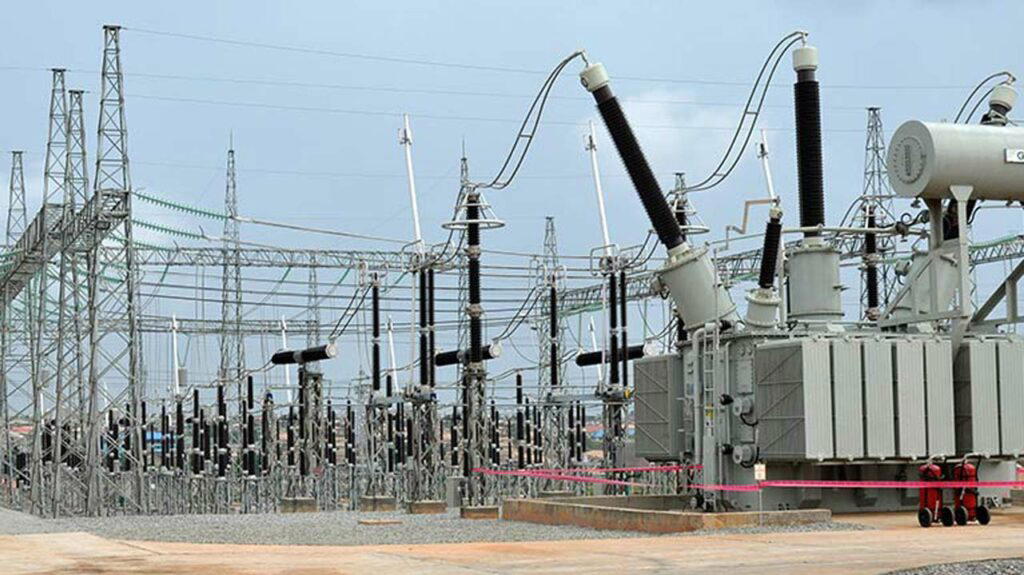
Electricity generation on Nigeria’s national grid has dropped to 3,840 megawatts (MW) from more than 4,500MW, following inadequate gas supply to thermal power plants and reduced water inflows into hydroelectric reservoirs.
Of the 3,840MW generated, only 2,988MW was allocated to consumers through the Electricity Distribution Companies (DisCos) on Wednesday, according to data obtained from the Nigerian Independent System Operator (NISO).
A breakdown showed that Abuja, Benin, Eko, Enugu and Ibadan DisCos received 559MW, 233MW, 396MW, 223MW and 345MW, respectively, while Ikeja, Jos, Kaduna, Kano, Port Harcourt and Yola received 389MW, 146MW, 167MW, 173MW, 283MW and 74MW, respectively.
NISO, in a statement, attributed the decline to inadequate gas supply to thermal power plants and reduced water inflows into reservoirs supplying hydroelectric stations.
According to the operator, “the limited availability of gas has constrained the capacity of affected thermal generating stations to operate at their available levels, while reduced water inflows into reservoirs have impacted the generation capacity of hydroelectric power stations.”
It warned that the shortfall had reduced electricity allocations to DisCos, resulting in fewer hours of supply and increased load shedding across distribution networks.
NISO stated: “The reduction in available generation has affected the quantum of electricity allocated to Distribution Companies (DisCos) for onward supply to consumers, thereby resulting in reduced hours of electricity supply and increased load shedding across distribution networks.”
The operator said it was working towards diversifying the country’s energy mix to strengthen security of supply, while reaffirming its commitment to maintaining grid stability and optimising available generation.
Meanwhile, electricity consumers who spoke with Vanguard lamented the worsening supply situation, saying it had increased their dependence on generators.
A consumer, who pleaded anonymity, said: “Power supply has gone from bad to worse in recent times. We have been depending on our generators to power our homes and businesses.
“We were told that the decentralisation of powers to the states would improve electricity supply, leading to increased economic and other activities, but we are yet to witness such a boost.”
Also, petroleum economist, Prof. Wumi Iledare, said the decentralisation of regulatory powers had yet to translate into improved electricity supply, attributing the persistent crisis to institutional failures.
He said: “Darkness arising from persistent electricity failures in Nigeria is not fundamentally a consequence of individual ineptitude; it is a manifestation of institutional failure.
“Removing or dismissing an individual may provide a convenient response to public frustration, but it does not necessarily address the structural, regulatory, financial and governance deficiencies that perpetuate the crisis.”
Iledare described decentralisation as an opportunity to encourage competition, investment and accountability but cautioned that transferring regulatory powers to states without strengthening their institutional capacity could simply shift existing inefficiencies.
“Decentralisation is not a solution by itself. It must not become a mere transfer of inefficiency from the federal to the subnational level. Its success will depend on institutional capacity, effective regulation, investment discipline and clearly defined accountability frameworks,” he said.
He stressed that the success of electricity decentralisation should be measured by improvements in power availability, affordability, reliability and accessibility.
The post Gas shortages cut power generation as DisCos get 2,988MW appeared first on Vanguard News.