

KAMPALA, Uganda — Uganda has intensified its push to capture the European specialty coffee market, leveraging a high-level industrial audit by German buyers to validate its rigorous quality-control systems and bypass traditional commodity middlemen.
The strategic pivot was punctuated Monday by the conclusion of the Germany-Uganda Coffee Origin Familiarization Tour at the Ministry of Agriculture, Animal Industry and Fisheries (MAAIF) laboratory in Lugogo. The nine-day mission served as a technical vetting process for 13 German roasters and buyers aiming to establish direct trade linkages with Ugandan producers.
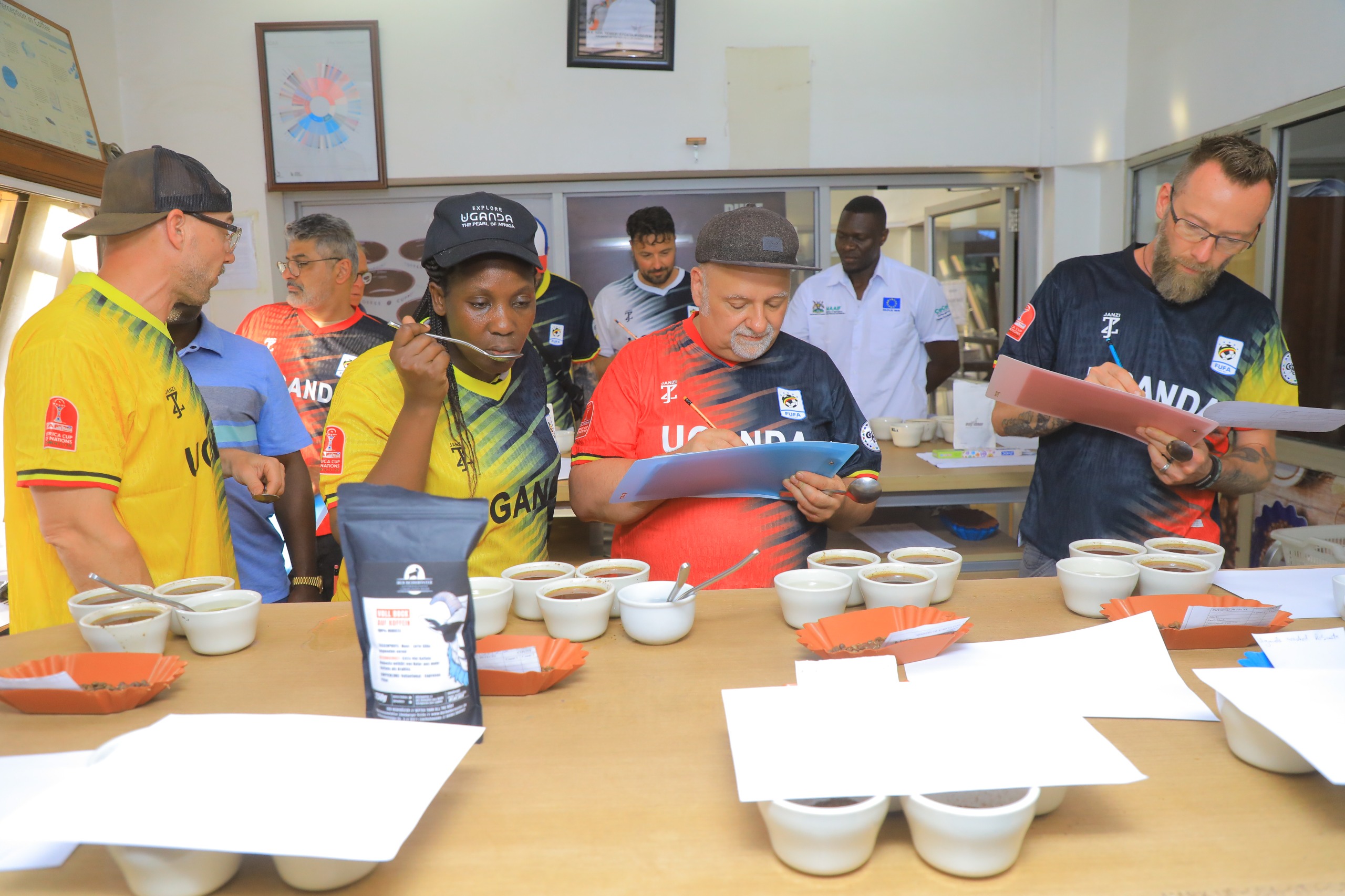
Jacob Batereiregha, an official with the MAAIF Coffee Department, led the delegation through the systematic sampling, grading and cupping processes that are now mandatory for every export consignment. He demonstrated the institution’s commitment to transparency, noting that field sample collection is strictly separated from laboratory analysis to eliminate bias and conflict of interest.
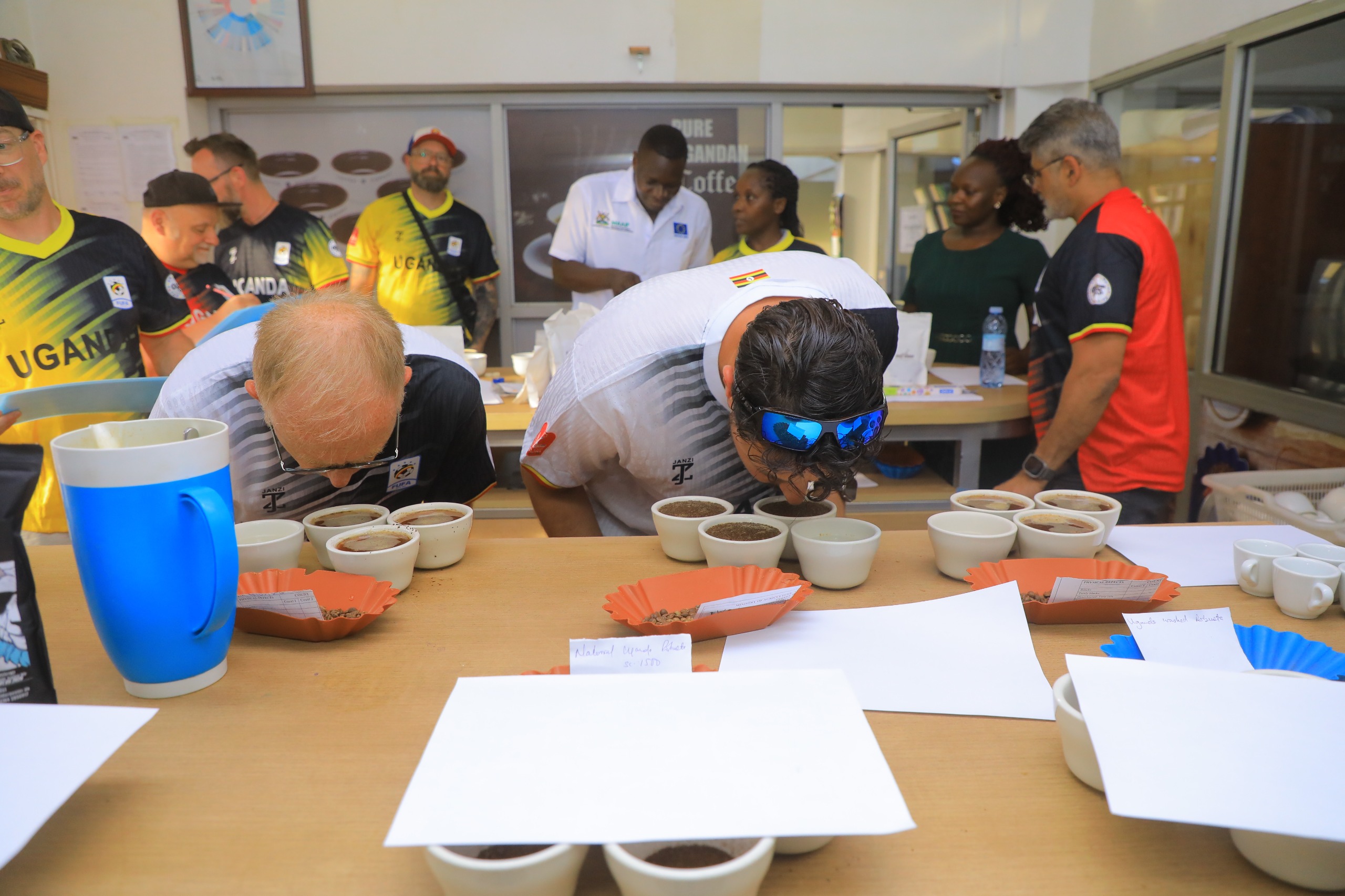
The mission, which began May 2, was designed to transition Uganda’s brand from a bulk commercial supplier to a top-tier specialty origin. During technical sessions at the ISO-certified Lugogo facility, experts demonstrated how both Robusta and Arabica coffees are assessed for fragrance, acidity and flavor profiles using internationally recognized protocols.
Ministry officials emphasized that each export container must undergo detailed evaluation before a certificate is issued. These documents now feature QR codes and authenticated seals to ensure traceability and prevent counterfeiting in the international supply chain.
For the visiting German roasters, the engagement provided a granular view of Uganda’s ascent in the global marketplace. While commercial-grade assessments focus on body and cup cleanliness, specialty evaluations examine advanced attributes such as balance and sweetness—metrics that dictate premium market value in Europe.
The tour, coordinated by the Uganda Embassy in Berlin in partnership with MAAIF, Sera Wild Coffee and Little Farms Coffee, traversed key hubs including Masaka, Fort Portal and Kapchorwa. Beyond the farms, the delegation engaged with scientists at the National Coffee Research Institute (NaCORI) and toured value-addition facilities at Africa Coffee Park.
Uganda remains Africa’s second-largest coffee exporter, shipping more than 6 million 60-kilogram bags annually. With the sector supporting 1.8 million households, the government is increasingly using commercial diplomacy to secure higher price premiums through direct sourcing models.
The successful audit underscores a broader national strategy to align local production with the stringent quality and sustainability standards of the German market, strengthening trade linkages while showcasing excellence across the entire coffee value chain.
The post German delegation vets Uganda coffee quality systems in nine-day mission appeared first on Watchdog Uganda.

 Punch Nigeria
 Horn Observer