

TRENDING
EPL: Chelsea announce squad numbers for players ahead of 2026/2027 season • South Africa rejects xenophobia label as Nigeria raises concerns • Shareholder representation at company meetings: Understanding the distinction between proxies and corporate representatives • WORLD IN BRIEF:US debt tops $40trn, Liberia charges ex-VP Taylor, US’s longest-serving prisoner dies at 101 and other stories • Operation FANSAN YAMMA: Troops foil abductions, rescue 30 victims in Zamfara, Katsina • Why Rwanda’s predictability makes it a better real estate bet than Nigeria — Nwulu • 83 Nigerians return from South Africa • Allocations can’t guarantee prosperity for states —Oyedele • Oyedele Gives Account of FG’s Reforms After President’s Directive • Thugs Attack Adeleke at Ataoja Palace Soon After Gov Received Certificate of Return • Accolades for Vanguard, Uncle Sam as ex-staff launch book, reunite, plan media library • UN Raises the Alarm over $159m Funding Gap, Says Millions May Miss Lifesaving Aid • Peter Obi Urges Nigerians to Choose Competence over Propaganda in 2027 Polls • 2027: HURIWA Asks Candidates to Halt Hate Speech, Present Clear Devt Blueprints • FG Okays N610bn Highway Projects, 600 Housing Units For Armed Forces • Army Moves Tactical Headquarters to Mangu as GOC Starts Operation Hard Nut • Banks’ Trade Lending Jumps 34.7% to N6.29 Trillion, Manufacturing Credit Falls 12.3% • Tinubu Appoints Adviser on Homeland Security, Famadewa, Head for 5-year Plan • No Basis for Transfer of Your Case to Another Judge, Kaduna CJ Tells el-Rufai • Katsina Begins Distribution of 90,000 Bags of Grains to Vulnerable Households • EPL: Chelsea announce squad numbers for players ahead of 2026/2027 season • South Africa rejects xenophobia label as Nigeria raises concerns • Shareholder representation at company meetings: Understanding the distinction between proxies and corporate representatives • WORLD IN BRIEF:US debt tops $40trn, Liberia charges ex-VP Taylor, US’s longest-serving prisoner dies at 101 and other stories • Operation FANSAN YAMMA: Troops foil abductions, rescue 30 victims in Zamfara, Katsina • Why Rwanda’s predictability makes it a better real estate bet than Nigeria — Nwulu • 83 Nigerians return from South Africa • Allocations can’t guarantee prosperity for states —Oyedele • Oyedele Gives Account of FG’s Reforms After President’s Directive • Thugs Attack Adeleke at Ataoja Palace Soon After Gov Received Certificate of Return • Accolades for Vanguard, Uncle Sam as ex-staff launch book, reunite, plan media library • UN Raises the Alarm over $159m Funding Gap, Says Millions May Miss Lifesaving Aid • Peter Obi Urges Nigerians to Choose Competence over Propaganda in 2027 Polls • 2027: HURIWA Asks Candidates to Halt Hate Speech, Present Clear Devt Blueprints • FG Okays N610bn Highway Projects, 600 Housing Units For Armed Forces • Army Moves Tactical Headquarters to Mangu as GOC Starts Operation Hard Nut • Banks’ Trade Lending Jumps 34.7% to N6.29 Trillion, Manufacturing Credit Falls 12.3% • Tinubu Appoints Adviser on Homeland Security, Famadewa, Head for 5-year Plan • No Basis for Transfer of Your Case to Another Judge, Kaduna CJ Tells el-Rufai • Katsina Begins Distribution of 90,000 Bags of Grains to Vulnerable Households
Listing fintechs on the Stock Exchange
Back to Home

Listing fintechs on the Stock Exchange

Vanguard Nigeria about 2 hours 3 mins read
Listing fintechs on the Stock Exchange

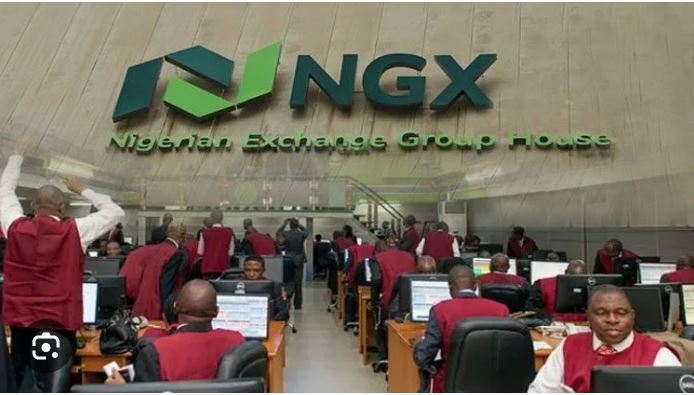
The call by the Nigerian Exchange (NGX) for President Bola Tinubu to mandate major fintechs to list on the Nigerian stock market deserves serious attention. NGX Group Managing Director and Chief Executive Officer Temi Popoola made the appeal during an engagement with the President, against the background of the Exchange’s drive to deepen Nigeria’s capital market and ensure that businesses creating value in the country also create investment opportunities for Nigerians.

Fintechs are financial-technology companies that use digital technology to provide or improve financial services, from payments and transfers to savings, lending, investment, and banking-related services. Nigeria’s leading examples include Flutterwave, OPay, PalmPay, Moniepoint, Paystack, Paga, Kuda, PiggyVest, and Interswitch.

Their emergence was a response to gaps in the traditional financial system and the rapid spread of mobile phones, internet connectivity, and digital payments. As banks struggled with expensive branches, limited reach, and cumbersome processes, technology entrepreneurs built cheaper, faster, and more convenient channels. Regulatory innovations by the Central Bank of Nigeria (CBN), including payment and agency-banking licences, helped create room for these businesses to expand.

Their growth has been remarkable. Flutterwave rose from a payments start-up to a multibillion-dollar African technology company; OPay and PalmPay rapidly built huge payment and agent networks; while Moniepoint grew from a business-payments platform into a major financial-services provider. Nigerian fintechs have attracted hundreds of millions of dollars in venture capital, created jobs, expanded financial inclusion, and challenged conventional banks.

Yet ownership remains largely in private hands. Founders, employees, venture-capital firms, private-equity investors, and strategic foreign investors hold stakes in many of these companies. This means millions of Nigerian customers use and generate value for businesses in which they cannot directly own shares. Some leading fintechs are reportedly considering overseas listings, making NGX’s intervention timely.

Listing them locally would have profound economic benefits. It would mobilise domestic savings into productive private enterprises, deepen the equities market, increase market capitalisation, and broaden the range of sectors represented on the Exchange. More importantly, it would democratise wealth creation by allowing pension funds, institutions, and individuals to participate in companies they already use.

Public listing would also impose greater disclosure, audited reporting, corporate-governance, and accountability standards. That transparency would strengthen investor confidence and make the companies more attractive to international capital. For fintechs, an NGX listing would provide long-term capital, strengthen their brands, create a liquid avenue for existing investors, and give them a credible domestic shareholder base. Dual listing abroad could still provide access to deeper global pools of capital.

President Tinubu should therefore give the NGX proposal serious and favourable consideration. The objective should not be crude compulsion but a framework making local or dual listing attractive and, where appropriate, obligatory. Nigeria should not merely provide the customers and market that make these digital giants successful.

Nigerians should also have a stake in their success.

The post Listing fintechs on the Stock Exchange appeared first on Vanguard News.

This article was sourced from an external publication.

Share this article
OneClick Africa Logo

Africa's premier digital hub for impactful news, entertainment, and business insights.

© 2026 OneClick Africa. All rights reserved.