

…Abbas seeks stronger local capacity to cut costs, boost combat readiness
By Kingsley Omonobi
ABUJA — The Nigerian Navy has commenced plans to establish a research institute and research and development units across its commands to develop indigenous military technology, reduce operational costs and strengthen its combat capabilities.
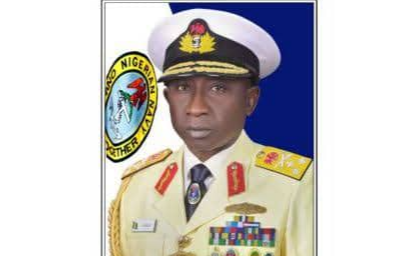
The Chief of the Naval Staff (CNS), Vice Admiral Idi Abbas, disclosed this on Thursday while delivering the keynote address at the Nigerian Navy’s 2026 Research and Development Seminar at the Naval Headquarters, Abuja.
Abbas said the initiatives were aimed at institutionalising innovation, harnessing the ingenuity of naval personnel and translating research into practical, affordable solutions to operational challenges.
He called for increased investment in indigenous research and development, emerging technologies and strategic partnerships to improve the Navy’s operational effectiveness and strengthen national security.
According to him, the increasing sophistication of maritime threats requires improved intelligence gathering, surveillance capabilities and effective deployment of naval assets to address evolving security challenges.
He said surveillance of offshore installations and other critical national infrastructure had strengthened efforts to combat crude oil theft and related economic crimes, contributing to a more secure environment for oil production.
The naval chief said the objective was not merely to acquire more technology but to maximise operational results, optimise available resources and improve the Navy’s capacity to protect Nigeria’s maritime interests and critical national infrastructure.
He added that technology-driven maritime surveillance had enhanced maritime domain awareness, enabling the Navy to direct patrols towards identified threats, improve response times and reduce fuel and maintenance costs.
“Emerging technologies offer further opportunities to extend surveillance and monitoring capabilities to creeks and adjoining coastal areas for effective pipeline protection and the safeguarding of vital national assets,” he said.
Beyond maritime security, Abbas highlighted the importance of emerging technologies in counter-terrorism and counter-insurgency operations, particularly as Nigerian Navy personnel, including Marines and Special Forces, continue to participate in joint operations.
He identified improved intelligence gathering, unmanned surveillance, secure communications and battlefield awareness as critical requirements for strengthening operational coordination, protecting personnel and achieving mission objectives.
The CNS said his strategic direction included establishing research and development units at command level, alongside plans to establish the Nigerian Navy Research Institute to institutionalise innovation and turn research findings into affordable, operationally relevant solutions.
He also highlighted progress in indigenous shipbuilding and maintenance through the Nigerian Navy’s dockyard and shipyard facilities, stressing that developing local capacity was essential to sustaining operational readiness and reducing dependence on foreign technology and supplies.
Abbas called for stronger collaboration among the Navy, universities, research institutions and indigenous industries to develop, test and deploy technological solutions tailored to operational requirements.
He urged participants to identify capability gaps, recommend viable research partnerships and establish practical pathways for converting promising innovations into equipment and systems for operational use.
He maintained that the success of research and development initiatives should be measured by the capabilities developed, resources saved and operational results achieved.
The naval chief expressed appreciation to President Bola Tinubu for his continued support in strengthening the Navy’s operational capabilities. He also commended the Chief of Naval Transformation and Innovation, Rear Admiral Chijioke Onyemaobi, and his team for organising the seminar before formally declaring the event open.
In his welcome remarks, Onyemaobi said the seminar aligned with the CNS’s vision of harnessing emerging technologies, intensifying research and development, enhancing operational capabilities and promoting indigenous solutions.
He identified artificial intelligence, unmanned systems, advanced sensors and additive manufacturing as emerging technologies reshaping naval operations, fleet sustainment and maintenance.
Onyemaobi said the rising cost of imported platforms and spare parts, coupled with prolonged supply lead times, had made the development of indigenous technological capacity increasingly necessary.
He stressed that a navy that depended entirely on foreign sources for its technology could not fully control its operational readiness, describing research and development as a critical link between emerging technologies and practical operational needs.
The naval transformation chief disclosed that the seminar would feature five presentations by guest speakers, followed by a moderated interactive session.
He added that the Naval Dockyard Limited, Naval Shipyard Limited and the Nigerian Navy Institute of Technology, Sapele, would present their research and development initiatives on the second day, followed by another interactive session.
He urged participants to contribute their knowledge and professional experience to ensure that the deliberations produced practical, sustainable and affordable technological solutions capable of meeting the Navy’s operational requirements.
The post Navy to establish research institute for indigenous technology appeared first on Vanguard News.