

TRENDING
US Green Card Lottery: Full list of countries excluded from programme • Olowu visits burnt Baale’s residence, urges calm over alleged arson • Four arrested over mob killing of groom-to-be in Lagos • King Charles classes Harry and Meghan as ‘private citizens’ • UK passport intervention: No extra charges, Tunji-Ojo clarifies • Nasarawa SDP crisis deepens as Ajegena moves to control secretariat • Nigeria’s trade surplus jumps 67% to N12.59trn in Q2’26 • ‘Stripping one of highest-paying jobs in Lagos’ — Tosin Akinbo • 2027: Aiyedatiwa denies sponsoring opposition candidates • 2027: Shettima urges transporters to keep Tinubu mobilisation peaceful • NNPC disowns tanker found with 2,145kg cannabis • Dangote targets 10m shareholders as Refinery IPO opens • FG borrowing like drunken sailor despite revenue windfall – Atiku • 11 feared killed as Boko Haram attacks Adamawa community • 2027: They may discount us, but our votes will count — Makinde • Dangote opens refinery ownership to Africans for N5,250 • NCS reaffirms support for industrial growth, youth development in Kwara • Benue makes learners insurance priority as schools resume amid strict rules • Nigeria will produce 4 million barrels of crude oil daily within 24 months of Accord presidency – Gbenga Hashim • Nigeria’s non-crude oil exports overtake crude oil for first time • US Green Card Lottery: Full list of countries excluded from programme • Olowu visits burnt Baale’s residence, urges calm over alleged arson • Four arrested over mob killing of groom-to-be in Lagos • King Charles classes Harry and Meghan as ‘private citizens’ • UK passport intervention: No extra charges, Tunji-Ojo clarifies • Nasarawa SDP crisis deepens as Ajegena moves to control secretariat • Nigeria’s trade surplus jumps 67% to N12.59trn in Q2’26 • ‘Stripping one of highest-paying jobs in Lagos’ — Tosin Akinbo • 2027: Aiyedatiwa denies sponsoring opposition candidates • 2027: Shettima urges transporters to keep Tinubu mobilisation peaceful • NNPC disowns tanker found with 2,145kg cannabis • Dangote targets 10m shareholders as Refinery IPO opens • FG borrowing like drunken sailor despite revenue windfall – Atiku • 11 feared killed as Boko Haram attacks Adamawa community • 2027: They may discount us, but our votes will count — Makinde • Dangote opens refinery ownership to Africans for N5,250 • NCS reaffirms support for industrial growth, youth development in Kwara • Benue makes learners insurance priority as schools resume amid strict rules • Nigeria will produce 4 million barrels of crude oil daily within 24 months of Accord presidency – Gbenga Hashim • Nigeria’s non-crude oil exports overtake crude oil for first time
NELFUND reduced tertiary dropout rate by 20% in 2025 — Sawyerr
Back to Home

NELFUND reduced tertiary dropout rate by 20% in 2025 — Sawyerr

Vanguard Nigeria about 3 hours 3 mins read
NELFUND reduced tertiary dropout rate by 20% in 2025 — Sawyerr

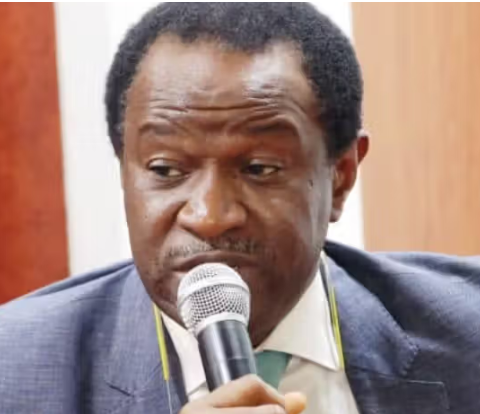
ABUJA — The Managing Director of the Nigerian Education Loan Fund, NELFUND, Akintunde Sawyerr, has said research showed that the student loan scheme reduced the tertiary education dropout rate by 20 per cent in 2025.

Sawyerr disclosed this on Sunday during an interview on Channels Television’s Politics Today, saying available research indicated that the scheme had helped beneficiaries remain in tertiary institutions and complete their studies.

“There is some other evidence from the research that has been done that shows that we reduced by 20 per cent the dropout rate last year. There is clear evidence that this is working,” he said.

Sawyerr, however, did not identify the organisation that produced the 20 per cent figure or disclose the methodology used to arrive at the estimate.

He cited a recent study by the Development Agenda for Western Nigeria, DAWN, Commission, which, according to him, found that 84 per cent of NELFUND beneficiaries were able to continue their tertiary education because of the loan scheme.

Addressing concerns about the fund’s disbursements, Sawyerr said NELFUND operated internal and external audit systems to ensure accountability.

“Every single penny, every single kobo that leaves NELFUND is audited. But on top of that, it is important for me to point out to you that we never disburse cash, ever,” he said.

According to him, payments are made through the banking system, with beneficiaries’ identities linked to their Bank Verification Numbers, BVN.

“When we pay this N20,000 to students every month, it goes directly to their bank accounts. We have their BVN. We can also see what is going on in their bank account,” Sawyerr said.

On complaints by students who had paid their institutional fees before receiving NELFUND support, the NELFUND boss attributed some of the refund delays to the timing of the scheme’s introduction.

He said the programme was introduced midway through some academic sessions, by which time several institutions had already required students to pay their fees.

“In some cases, the schools were very, very quick and agile. They were able to make the refunds to the students. In other instances, they didn’t,” he said.

Sawyerr added that NELFUND had engaged security and investigative agencies in some cases to help resolve refund-related issues.

NELFUND was established in 2024 to provide interest-free loans to eligible students in tertiary institutions.

On September 3, NELFUND said it had disbursed more than N355 billion in loans to 1,659,853 beneficiaries out of 1,800,489 applications.

The post NELFUND reduced tertiary dropout rate by 20% in 2025 — Sawyerr appeared first on Vanguard News.

This article was sourced from an external publication.

Share this article
OneClick Africa Logo

Africa's premier digital hub for impactful news, entertainment, and business insights.

© 2026 OneClick Africa. All rights reserved.