

By Ebunoluwa Sessou, Providence Ayanfeoluwa & Peace Louis
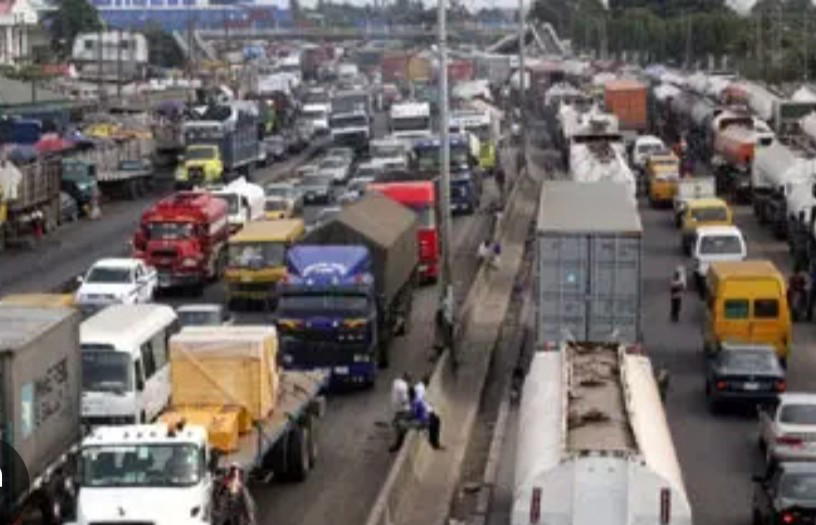
LAGOS — MOTORISTS, truck drivers and other road users in the Mile 2-Kirikiri area of Apapa in Lagos State, yesterday, lamented the worsening gridlock in the area, as the situation disrupted deliveries and forced motorists to spend several hours on the road.
The development, according to some truck drivers, had become particularly severe in recent months following the commencement of operations of a new terminal in the area.
This is despite the introduction of a code by the Nigerian Ports Authority, NPA, to guide the movement of empty containers into seaport terminals and reduce traffic congestion caused by container trucks along the Apapa and Tin Can Island port corridors.
Speaking to Vanguard, a resident in Kirikiri, Godwin, said the new terminal was the major cause of the gridlock, adding that the limited space available for trucks to manoeuvre was worsening the situation.
He explained that trucks leaving the terminal, sometimes, joined the road improperly, thereby compounding the traffic gridlock along the road.
Godwin also lamented the poor and narrow condition of the road leading into Kirikiri, saying that trucks, sometimes, fall uncontrollably.
A truck driver, Ifeanyi Akachukwu, who was among those on the queue, expressed frustration over the situation, blaming the police, traffic management personnel and some terminal operators for failing to adequately coordinate truck movements.
Akachukwu said: “The terminals and the authorities need to work together. When trucks are allowed to queue indiscriminately or are not attended to on time, the whole road becomes blocked. The traffic does not only affect us; it affects everybody.”
He pointed out that the development has renewed concerns over the coordination of truck traffic and terminal operations in the Kirikiri axis, with stakeholders trading blame over the source of the congestion.
Also speaking, a truck driver, Ibrahim, lamented that he had spent more than three hours in traffic, causing delays to his deliveries.
Ibrahim, who admitted that he previously drove against traffic to avoid the gridlock, said his arrest by authorities had made him change his attitude towards road use.
On his part, a tanker driver identified as Gbenga, said: “The road used to be completely free without hold-ups before the terminal became operational.
“Drivers spend all night stuck in traffic and are still stuck by morning without reaching their yards to park their vehicles. We appeal to the government to intervene and provide a solution,” he said.
Visits by Vanguard to different terminals which include HEZEGOVIN Logistics Limited, AGL Africa Global Logistics and Bestaf Container Terminal, revealed that several trucks either lined up along access roads or waiting to gain access into the terminals, while blocking the road most times.
The situation created pressure on the adjoining roads, with trucks occupying significant portions of the available carriageway and slowing down traffic towards the Mile 2 axis.
A task force officer monitoring traffic in the area, however, said the traffic was not caused by the condition of the road, noting that the road had already been repaired.
He attributed the gridlock mainly to the narrow road leading to the terminal and the volume of trucks trying to gain access to the facility.
He said task force personnel were also stationed around the UBA Outer Wharf area to prevent indiscriminate parking and ensure that the road remained accessible.
Another task force official explained, “Look at all these trucks; they are waiting to enter the terminal. The trucks are just queuing up on the road, causing traffic.”
The official also explained that changes in the movement of containers to the new terminal had increased the number of trucks using the route, with some containers that were previously handled through other facilities now being taken directly to the terminal.
The post New terminal responsible for Kirikiri – Apapa traffic appeared first on Vanguard News.