

By Juliet Ebirim
Stakeholders in Nigeria’s film industry have been urged to look beyond box office performance and focus on building intellectual property capable of generating value across multiple platforms and markets.
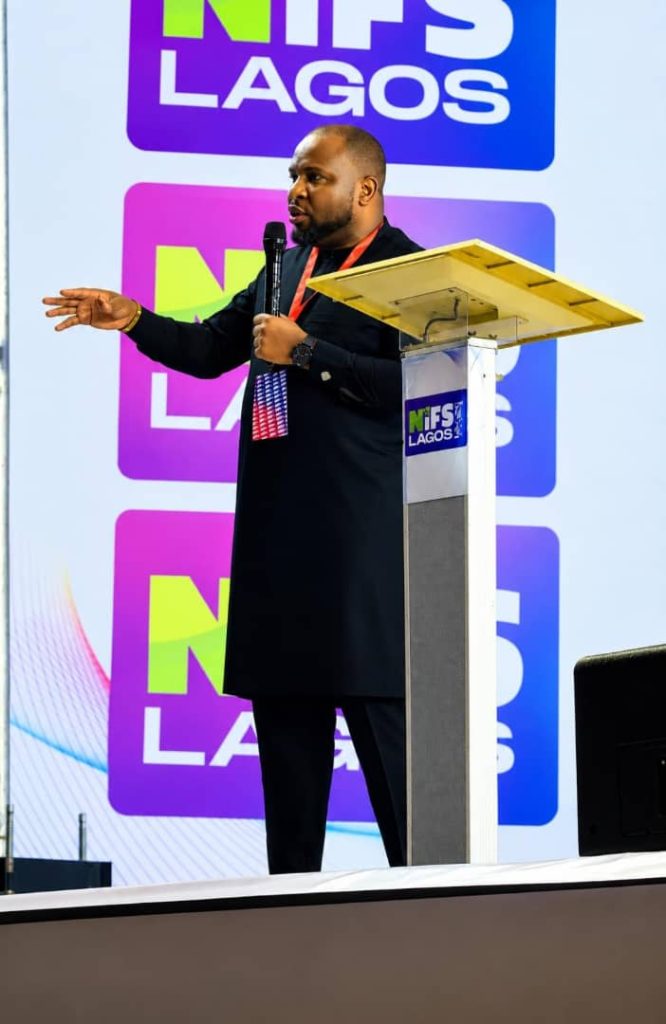
The call was made by the Managing Director of Nile Media Entertainment Group, Moses Babatope, during a solo presentation at the 2026 Nigerian International Film and TV Summit (NIFS), held August 26 at Glover Memorial Hall, Lagos. His presentation examined the evolution of Nigeria’s film industry, changes in distribution and opportunities for Nigerian content in local and international markets.
Speaking at the event, Babatope said the commercial value of a film could extend well beyond its theatrical run through streaming, television, airline entertainment, festivals, special screenings and international licensing.
“Success today is not just weekend performance. Success is lifetime value,” he said.
He cited The Wedding Party as an example of a Nigerian film that has continued to be licensed and monetised years after its cinema release, noting that filmmakers and rights holders could benefit from treating films as long-term intellectual property assets.
Babatope also described distribution as a strategic component of filmmaking, rather than simply the process of placing films in cinemas.
“Distribution is no longer just logistics. It is strategy,” he said, stressing the importance of audience, territory, release timing and the range of platforms through which content can reach viewers and generate revenue.
He identified data as another area that could shape the industry’s development, noting that improved access to audience and box office information could help producers, distributors and exhibitors make more informed decisions on marketing, cinema locations and release strategies.
Reflecting on the industry’s development over the past decade, Babatope said Nigerian cinema experienced significant growth between 2015 and 2020 before the COVID-19 pandemic, the expansion of streaming platforms, currency depreciation and the removal of subsidies created new pressures for the market.
Despite the challenges, he said Nigerian films had remained resilient and continued to attract local audiences.
Babatope cautioned against measuring Nigerian cinema primarily against Hollywood, arguing that stakeholders should build on the strengths of the domestic market, including cinema’s communal experience and Nigeria’s broader cultural influence through music, fashion, food and identity.
“We must learn what is working for us, in spite of our weaknesses, in spite of our challenges,” he said.
He also pointed to the Nigerian diaspora and markets such as the United Kingdom, United States, Canada and Australia as potential destinations for Nigerian content, particularly amid growing international interest in Nigerian culture.
The industry, however, continues to face challenges including the high cost of establishing and operating cinemas, currency pressures, piracy and competition for consumers’ disposable income.
Babatope said these conditions reinforces the need for stronger distribution networks, international partnerships and new approaches to monetising Nigerian content.
He said the next phase of the Nigerian film industry should centre on developing intellectual property that can move across platforms and markets and continue creating value beyond a film’s initial theatrical release.
The post Nigerian films must move beyond box office success – Moses Babatope appeared first on Vanguard News.