

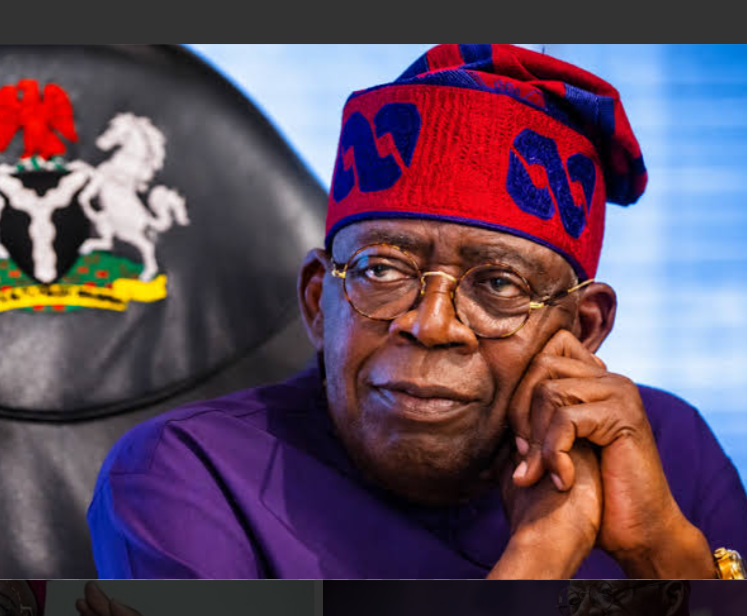
President Bola Tinubu can point to credible evidence that Nigeria’s economy is stabilising. The World Bank says GDP grew by 4.2 per cent in the first half of 2026, against 3.9 per cent a year earlier, and projects average growth of 4.4 per cent through 2028. Inflation, which fell during 2025, has faced renewed pressure from higher fuel and transport costs. External reserves and public revenues have strengthened. World Trade Organisation (WTO) Director-General, Dr Ngozi Okonjo-Iweala, credited Tinubu’s administration in 2025 for stabilising the economy. She stressed that the next tasks were growth, job creation and social safety nets. But stability is a foundation for prosperity, not prosperity itself.
Tinubu’s government has taken difficult measures: implementing petrol subsidy removal, partially removing electricity subsidies, liberalising the naira and pursuing tax reforms. They have eased fiscal pressures, improved foreign exchange conditions and increased revenue available to governments. The World Bank says growth has stabilised for the first time since 2019. Yet the public’s experience remains harsh. Astronomically higher petrol and electricity costs feed into transport, food production and household bills. Naira depreciation made imports and production inputs more expensive, while wages have struggled to keep pace. Millions face difficult choices over food, rent, medicines and school fees. This explains resentment towards the ruling All Progressives Congress (APC) in many communities: people endure sacrifices but see too little relief.
In his Independence Day address, Tinubu declared the onset of an “era of prosperity”, suggesting the next four years would reward Nigerians’ pain if he wins another term in 2027. But trust must be earned. Citizens are unlikely to believe promises while political office-holders appear insulated from hardship. The contrast is sharpened by conspicuous official spending. In June 2026, a Federal High Court declared unlawful the National Assembly’s N110 billion spending on 465 sport-utility vehicles and lawmakers’ support allowances, citing breaches of procurement rules and public trust. Expensive presidential operations, travels and budgeted vehicle spending for senior officials and judicial officers deepen the perception that austerity is only for ordinary people. Public institutions must justify such expenditure transparently, especially when schools and hospitals remain underfunded.
The government’s 30-day NNPC petrol-price relief is welcome but temporary. Tinubu should publish an audited account of reform savings and spending, expand transport support, protect basic electricity consumers, and prioritise food production, major federal roads, healthcare and education. The government should enforce transparent procurement, cut non-essential travel, fleets and luxury refurbishments, and ensure wages keep pace with living costs. States must justify higher revenues and protect the poorest and most vulnerable households. The World Bank’s figures offer cautious hope, not a certificate of success. Prosperity will be measured in affordable meals, decent jobs, reliable power and functioning public services. Only Nigerians can validate claims of credible economic performance.
The post Nigerians demand relief, not mere figures appeared first on Vanguard News.