

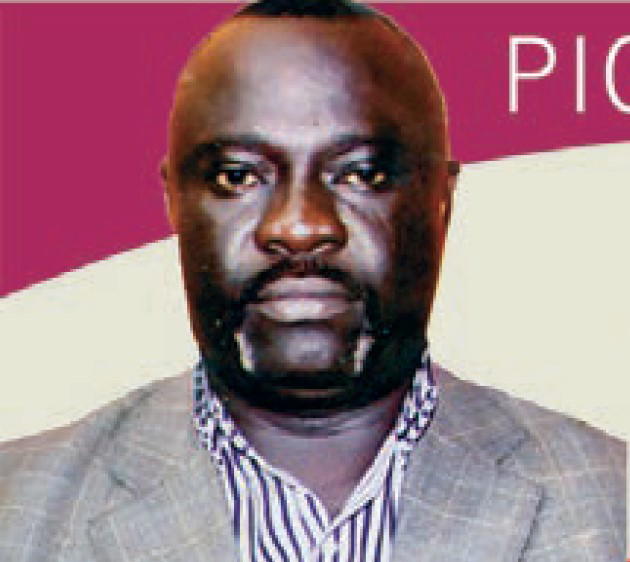
OUR country, Nigeria, is a wonderful one. In fact, there is no other country like ours on the face of this earth. What works seamlessly elsewhere is like rocket science here, and vice-versa. For many years, we imported what we have and have tried to export what we don’t have. The unusualness of Nigeria reared its head a few days ago when the Nigeria Electricity Regulatory Commission, NERC, published data on the state of affairs in our electricity industry.
The data, in part, revealed that revenue accruing to the electricity distribution companies, called DISCOs, soared by 666% in 10 yrs, while electricity supply grew just 32% within the same period. Properly spelt, the data showed that DISCOs’ revenue rose from N302.93 billion in 2016 to N2.3188 trillion in 2025, an increase of about 666 per cent. On the flip side, annual electricity supply increased by just 31.6 per cent, from 23,742 gigawatt-hours (GWh) to 31,251GWh. From the same data, it was clear that between the first half of 2018 and the first half of 2026. DISCOs’ revenue rose from N218.16 billion to about N1.2 trillion, an increase of approximately 450 per cent, while electricity supply grew by only 4.8 per cent, from 16,861GWh to 17,668GWh.
Available generation capacity also deteriorated over the eight-year period, falling by about 41 per cent, from an average of 7,565.5 megawatts (MW) in the first half of 2018 to 4,456MW in the corresponding period of 2026.
In clear terms, the DISCOs were making more money and selling less electricity. How does this magic happen? First, it can only happen in our country, as I am almost certain that no other country in the world is capable of this kind of magic, or what else can we call this?
Let me reiterate what many of us already experience. In the part of Lagos, that I live, the transformer serving the area blew up September 23, and since then, there’s been no light. Apart from a few who have installed the solar option, and those that can afford petrol at N1,400 per litre to run generators, the area is pitch black at night, and silent, like a graveyard. But a few days ago, the DISCO sent a bill. I received one, requiring that I pay a certain amount as current charges. Current charges? With a blown transformer? As how?
The entire area is on estimated billing as roll-out of pre-paid metres never reached the area. However, a few residents, believing that pre-paid metres meant good supply, went ahead and and had them installed on their own. We’re all enjoying the darkness together!Ordinarily, pre-paid metres should guarantee supply, just as it is in telecoms; load your phone with airtime and you can make a call or enjoy data services. Run out, and you’re on your own. A few months ago, I overheard a DISCO official in a discussion. He told his friend in a conversation that 70 per cent of the revenue accruing to the DISCO he works for comes from estimated billings. I have no reason to doubt him. When power supply is eventually restored to my area, in all probability, the bill sent during the days of darkness will not be wiped out, but will be treated by the DISCO as debt, and will be part of what they will refer to as unpaid bills, standing out conspicuously on their balance sheet. Today, the second month begins since we had an outage.
Ahead of, and since the coming of DISCOs, many areas powered their neighbourhoods by levying themselves to buy poles, cables, and transformers . When they do this, it is standard practice that they sign a document stating that the equipment they bought with their money has been donated to the DISCO! All these, and other shenanigans of perfected and perpetrated by electricity officials is the sakamanje responsible for the growth in revenue by 666 per cent, from N302.93 billion in 2016 to N2.3188 trillion in 2025. It can only happen here. Last week I wrote about it. It is dysfunction, akin to a system whereby somebody buys a bus, and gives to a driver, expecting returns by way of daily remittances. Most of the time, the bus owner never gets any return on his investment, while the driver continues to feed fat on his takings.
If the DISCOs continue like this, a day will come when they will be as relevant in our lives as the water corporations in the states. The last time, in my reckoning, anybody seriously thought of the water corporation when building a house, was when I was a small boy, several decades ago. These days, people include the cost of a borehole in the cost of property development. That way, there is permanent assurance that water supply will not fail. Those that can’t afford boreholes dig wells and use pumps to bring the water into overhead tanks. In fact, the skylines of many Nigerian towns and cities are dotted with the images of overhead tanks of different colours, reflecting the failure of the water corporations.
That is the direction we are now going with electricity supply. In planning property development, people will now make the extra effort to include the cost of solar power, so they do not get left in the lurch by the economic scavengers running the DISCOs. Very soon, more and more rooftops will be adorned by solar panels, delivering power to batteries in the solar generators in the houses. Then, people will gladly tell DISCO technicians to “drop my cable, I don’t need your light!” That is the future DISCOs are building for themselves, and investors who can see a bit of the future are already scared of investing in the sector. There will be no ROI — Return on Investment. Then it will be nunc dimitis for the DISCOs, unlike the water corporations that are still kept alive by government subventions. Honestly, I’m looking forward to that. TGIF.
The post Our unusual electricity industry, by Adekunle Adekoya appeared first on Vanguard News.