

The weather in Plateau is not the same as it was 20 years ago. It used to be cool, the kind of place people once called “the cool board.” Now the days feel warmer and the nights less restful. Longji, a farmer in his late thirties, walks through his field where guinea corn once grew tall. The soil is barely dry, but the rains do not come as early as they used to.
“My father told me the rains would come in March. They come late now, when they come at all. Sometimes they come too hard and wash everything away. Sometimes they do not come at all.”
Longji is one face of a crisis often discussed in global reports but rarely shown in human terms. Climate change in Nigeria is no longer distant or abstract. It is reshaping lives, livelihoods, and entire communities in ways people can already see and feel.
In Plateau and across the wider Middle Belt, the story is about land, water and survival. Farmers and herders who once coexisted are now competing over shrinking resources. As grazing routes become less reliable and water sources dry up, tensions rise. Climate stress is not the sole cause of violence, but it has become a powerful accelerator. Families are forced to relocate, sometimes to overcrowded cities, sometimes to displacement camps far from the lives they once knew.
Further south, the crisis looks different. In Bayelsa and Rivers State, coastal erosion and rising sea levels are swallowing homes, farmland and fishing communities. The Niger Delta, already burdened by decades of oil pollution, now faces the added pressure of climate change.
Amaro, a fisherwoman in Bayelsa, wakes before dawn each morning to check the water line near her home.
“Sometimes I wake up to check if the water is not close to home. We used to get fish close to the shore. Now we have to go farther, and the boats are small. My children ask why the sea is eating our land. I do not know what to tell them.”
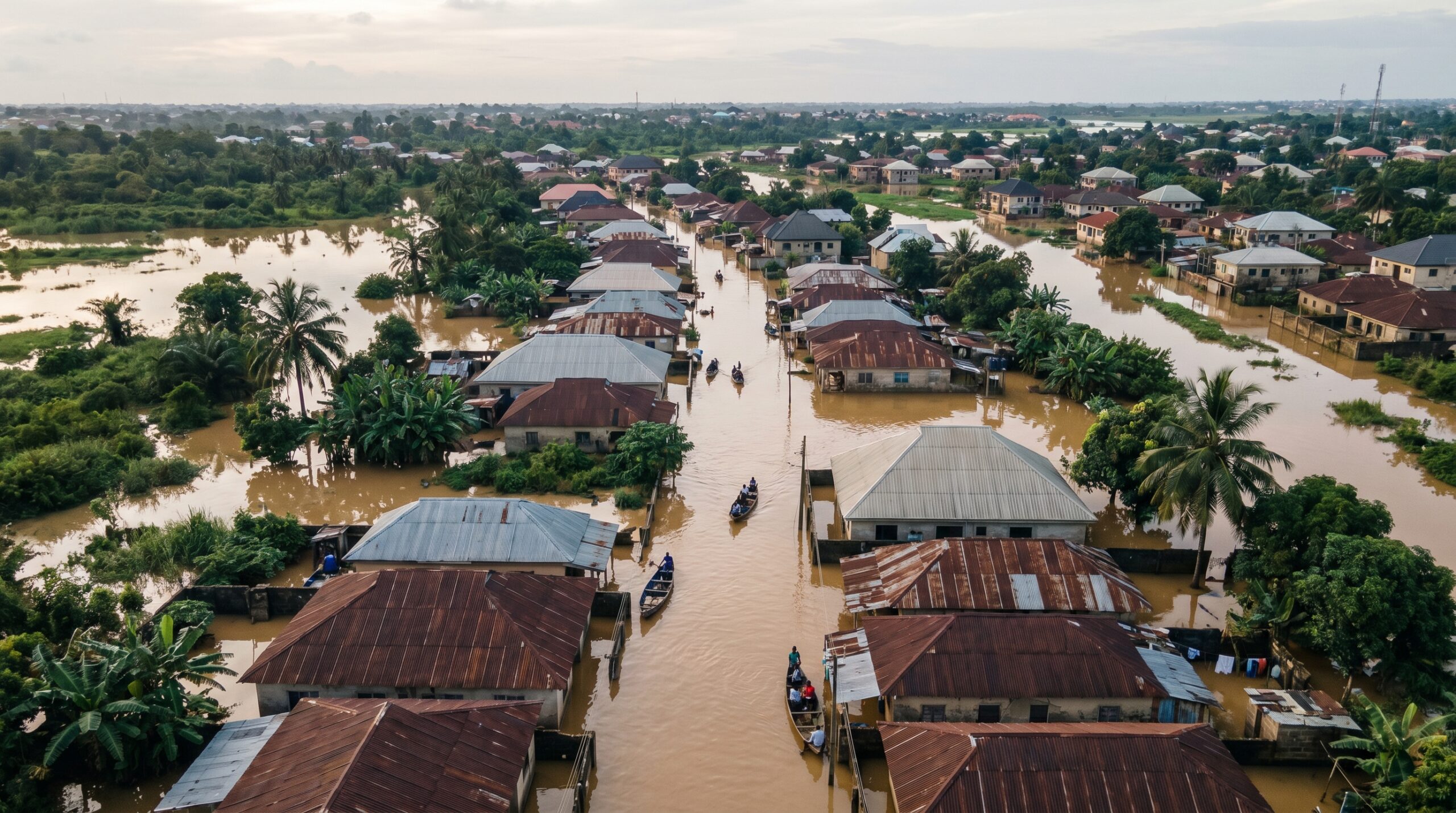
In Lagos, the crisis is no longer unusual. Flooding is no longer unusual. After hours of rainfall, roads disappear beneath brown water. Markets shut down. Cars and buses stall in traffic that stretches for hours. In some areas, children still make their way to school through flooded streets while their parents are at home trying to salvage whatever they can. A single flood can mean lost income, damaged property, and exposure to cholera and malaria.
The climate crisis in Nigeria is about who carries the heaviest burden when systems fail. For millions of Nigerians, climate change is not an environmental theory. It is a disruption woven into everyday life. When wells dry up, families travel farther for water. When farms fail, food prices rise.
Despite these challenges, I have gathered that resilience is growing among Nigerians. For instance, farmers are experimenting with drought-resistant crops and tree planting. In Bayelsa, local groups are restoring mangroves to protect coastlines from erosion. Across Lagos, youth-led sanitation drives now take place before peak rainfall to clear blocked drains. Some communities share early flood warnings through local radio and mobile phones. These efforts may appear small, but many of the people most affected are already working to respond.
This year’s World Environment Day theme, “Inspired by Nature. For Climate. For Our Future,” calls for urgent action in Nigeria. Protecting forests, restoring wetlands and investing in climate-resilient infrastructure are necessary to save the present and the future. While Nigeria contributes far less to global emissions, the country bears some of the harshest consequences.
The climate change crisis has a Nigerian face. It is Longji in Plateau, waiting for rains that no longer arrive when they used to. It is Amaro in Bayelsa, watching the sea move closer to her home each year. It is that person in Lagos, watching floodwater rise outside her door or flooding into her apartment.
The post Petlong Dakhling: The Nigerian Face of The Climate Change Crisis appeared first on BellaNaija - Showcasing Africa to the world. Read today!.

 Punch Nigeria
 Premium TImes
 Business Day
 Vanguard Nigeria
 Daily Post
 This Day