

By Johnbosco Agbakwuru
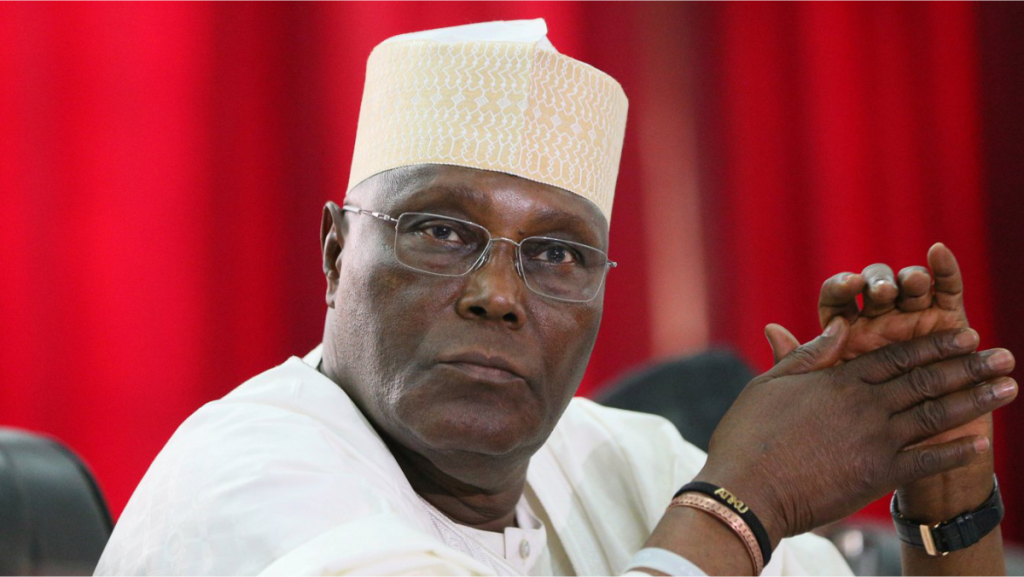
ABUJA — For the umpteenth time, the Presidency has condemned former Vice‑President Atiku Abubakar’s pledge to “bring back” a fuel subsidy if elected in 2027, calling the proposal a return to a failed economic policy that would deplete public finances and scare away investors.
The Presidency said the promise — which would reinstate subsidised petrol prices after years of subsidy removals and partial reforms — ignores lessons from past cycles of waste, corruption and fiscal strain.
Tunde Rahman, Special Assistant to the President on Media and Special Duties, said this in a statement on Sunday while reacting to the pledge by Atiku, who is the presidential candidate of the African Democratic Congress (ADC) in the 2027 election.
The Presidency said: “Reintroducing the subsidy is not a fix; it’s a financial sinkhole that hands public resources to middlemen and drains money we should spend on schools, hospitals and infrastructure.
“It will also tell investors that policy stability is dead — and when investors see instability, they leave.”
Rahman said any short‑term gain would be overshadowed by long‑term damage to public finances and investor confidence, warning that the policy would undermine efforts to build a modern, resilient economy.
“If we take a step back into subsidy dependence, we risk erasing the progress made toward market‑based reforms and fiscal transparency. Policy must protect the vulnerable without mortgaging our future,” he added.
He further argued: “Subsidising production will still distort the market. It is still a pathway to fraud. And it will still mean less money for education, security, healthcare and infrastructure. Subsidy removal is already delivering. The country’s GDP growth rate at 3.89% is the biggest economic expansion in recent times.
“Nigeria’s annual inflation rate eased for the second month to 15.43% in July 2026. The Nigerian currency is stabilising against major currencies, the stock market is expanding, and the country’s foreign reserves have grown to over $53 billion. This helps build investor confidence.
“If these favourable macroeconomic indicators have not yet fully impacted living standards, it is only a matter of time, given the ongoing positive trajectory.
“Leadership sometimes entails tough choices. President Tinubu’s removal of the subsidy was not a whimsical decision. He did it because it was the right thing to do. Real reform requires courage. The easy thing is to return to a failed regime and buy temporary applause as Atiku seeks to do. That would be sheer populism.
“Nigeria tried subsidy for four decades, and we ended up importing fuel while exporting crude. We tried it, and it led to a debt pile‑up. We tried it, and our refineries collapsed. 2027 should not be about going back to fuel subsidy as Atiku is canvassing. It should be about staying the course until local refining, competition and CNG fully drive prices down.
“We respect Alhaji Atiku’s right to propose alternatives. But Nigerians must ask: do we want relief today that creates crisis tomorrow, or do we endure a little longer to build a Nigeria that works without fraud and waste?
“President Tinubu chose reform over rhetoric. He chose a promising future over a decadent past. Returning to subsidy is not progress. It is a U‑turn Nigeria cannot afford.”
The Presidency said: “Politics should not masquerade as economics. Good governance requires choices that are sustainable — this isn’t one of them.”
The post Presidency: Reintroducing fuel subsidy would drain public funds, revive corruption appeared first on Vanguard News.