

By Prince Osuagwu Hi-Tech Editor
For many Nigerians, the smartphone has quietly become an office, classroom, entertainment centre, bank, marketplace and communication hub—all rolled into one. The problem is that keeping this increasingly important gadget alive still depends on one thing Nigerians cannot always take for granted: electricity.
Xiaomi appears to have spotted that pain point and is coming to the Nigerian smartphone market with an unusually large dose of battery power.
Its latest Redmi 17 smartphone packs a 7,500mAh battery, significantly higher than the 5,000mAh capacity that has become commonplace in the smartphone market, as the Chinese technology giant prepares to launch the device in Nigeria on September 1, 2026.
The battery is at the heart of Xiaomi’s strategy for the Redmi 17, particularly as the company targets students, young professionals and other heavy smartphone users who spend long hours communicating, working, streaming, gaming and learning on their devices.
But Xiaomi is not relying on battery capacity alone. The Redmi 17 combines the 7,500mAh battery with 45W Turbo Charging, a move designed to cut down the time users have to spend tethered to a power outlet.
According to Xiaomi’s Africa specifications, the battery is rated to deliver up to 91 hours of music playback, while the company says about 35 minutes of charging can provide a full day’s use under its stated test conditions.
The phone also supports 22.5W wired reverse charging, effectively allowing the Redmi 17 to double as a power source for compatible devices.
That could prove particularly attractive in Nigeria, where consumers often have to juggle intensive smartphone use with the practical challenge of keeping devices charged.
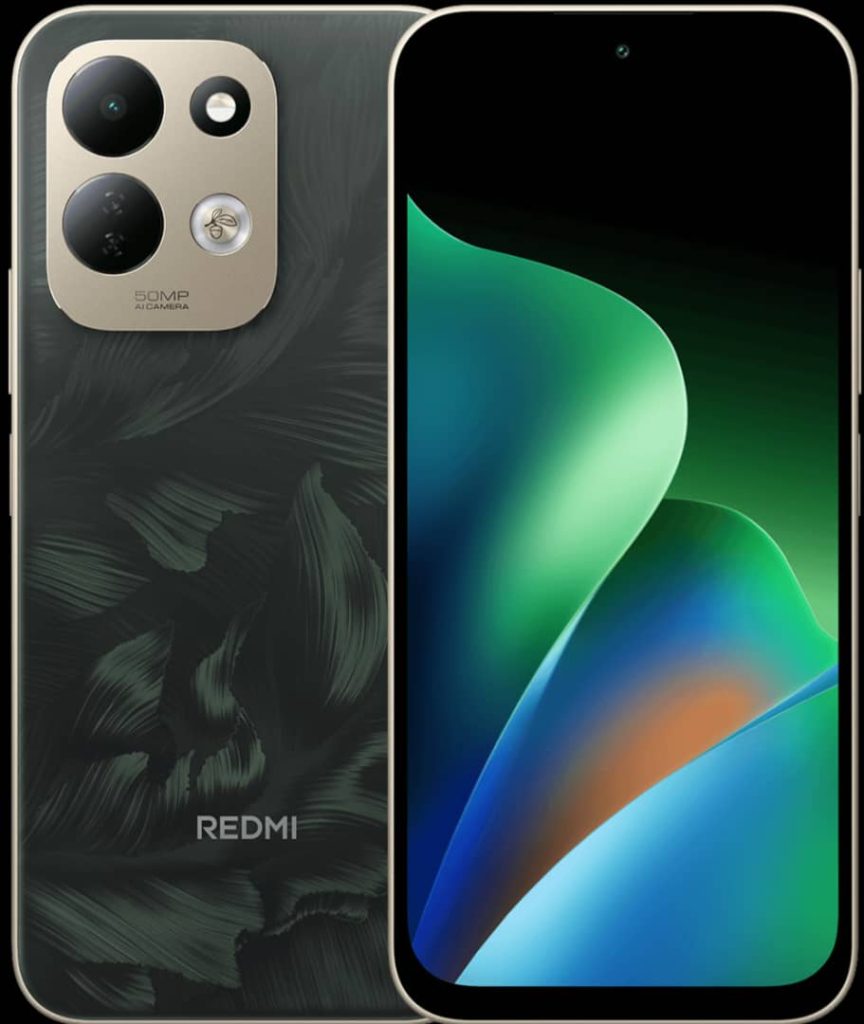
Beyond its battery muscle, the Redmi 17 arrives with a 6.9-inch display, adaptive refresh rate of up to 120Hz, Corning Gorilla Glass 7i protection and a MediaTek Helio G91-Ultra processor.
Photography is handled by a 50MP AI dual-camera system, while dynamic RGB lighting adds a touch of visual flair to the device.
Xiaomi has also attempted to ensure that the big battery does not come with a fragile body. The company says the Redmi 17 features Gorilla Glass 7i and carries an IP64 rating for protection against dust and splashes.
The specifications form part of a broader attempt by Xiaomi to deepen its presence in Nigeria’s highly competitive entry-level smartphone market.
During a briefing ahead of the Nigerian launch, Xiaomi representatives said the company expects Redmi 17 shipments into Nigeria to reach six digits over the product’s lifecycle, although they declined to disclose a specific target.
Price, however, remains the biggest piece of the puzzle.
Xiaomi declined to reveal the Nigerian price ahead of the launch, citing rising memory costs and broader pressure on smartphone production. The company said it was working with its supply chain to protect product quality and specifically ruled out the use of second-hand memory components as a cost-cutting measure.
That could become an important consideration in a market where consumers want increasingly powerful smartphones but remain highly sensitive to price.
For Xiaomi, therefore, the Redmi 17 is more than another smartphone launch. It is a bet that Nigerian consumers will place a premium on how long a phone stays alive, not just how powerful its processor or camera is.
And with a 7,500mAh battery, 45W charging, a large 120Hz display and durability features, Xiaomi appears ready to make battery endurance one of the biggest selling points in its latest battle for Nigeria’s smartphone buyer.
The real test begins on September 1, when the Redmi 17 moves from specification sheets to the hands, and pockets of Nigerian consumers.
The post Redmi 17: Xiaomi bets on 7,500mAh battery to win Nigeria’s smartphone market appeared first on Vanguard News.