

By Owolola Adebola
We are in a period when a smartphone functions as a digital wallet, identity card, and security key all at once. One of the oldest tricks in the cybercrime playbook has returned with a vengeance. SIM-swap fraud is at it. It is also known as SIM swapping, SIM hijacking, or phone-number takeover. Yes, it has surged in popularity among criminals worldwide. Once considered a niche tactic targeting high-value crypto holders, it is now a mainstream method of account takeover, capable of emptying bank accounts, draining mobile-money wallets, and locking victims out of their digital lives in minutes.
Recent data from the United Kingdom, Africa, and elsewhere show dramatic increases, while even in the United States, where reported cases have declined, the technique remains a high-leverage attack that continues to evolve with artificial intelligence and eSIM technology. One may ask what exactly SIM-swap fraud is.
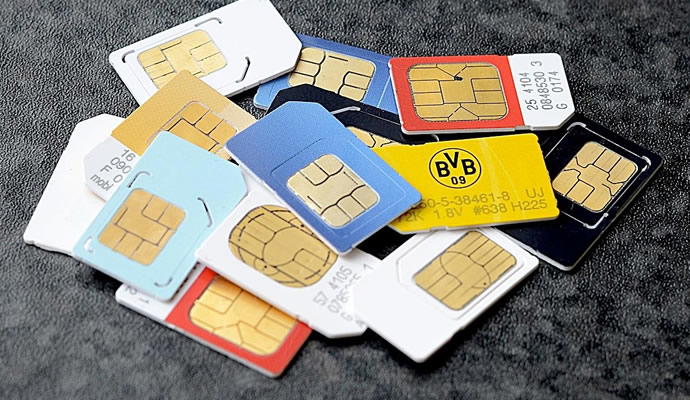
A SIM swap occurs when a criminal convinces a mobile network operator to transfer a victim’s phone number from the legitimate SIM (or eSIM) to a card or profile the attacker controls. Once the transfer is complete, the victim’s phone loses service. The phone would often show “No Service” or no signal, while all calls, text messages, and one-time passcodes (OTPs) route to the criminal’s device. Because so many services still rely on SMS-based two-factor authentication or password resets sent by text, the attacker can then reset passwords for email, banking, social media, and cryptocurrency accounts with relative ease. The process typically unfolds in stages. First comes reconnaissance: criminals harvest personal details, which include name, date of birth, address, account numbers, or recent transactions, all from data breaches, phishing, social media over sharing, or dark-web marketplaces. Armed with this information, they contact the carrier, often claiming the phone was lost or damaged, and request a replacement SIM.
In some cases, they bribe an insider or walk into a retail store with forged documents. With eSIM technology, the transfer can happen remotely without any physical card changing hands. Once control is established, the attacker intercepts OTPs, seizes accounts, and moves funds, frequently within minutes of the swap. In a way, several factors have made SIM swapping newly attractive. The sheer volume of personal data available online has lowered the barrier to entry. Dark-web services now advertise complete SIM-swap packages starting as low as a few hundred dollars, sometimes bundled with stolen identity information. Reliance on SMS as a second factor of authentication remains widespread; many banks, exchanges, and platforms still treat a texted code as sufficient proof of identity. The rise of mobile money in Africa and elsewhere has created especially rich targets, because wallets are often tied directly to a phone number.
One would be correct to rely on statistics which paint a mixed but concerning picture. In the United States, the FBI’s Internet Crime Complaint Center cautions that the decline is partly illusory: downstream thefts are often classified under broader categories such as account takeover or investment fraud, and many victims never report the initial swap. Notably, losses among victims aged 60 and older actually rose, accounting for nearly 39 percent of the total. Elsewhere, the trend is unambiguously upward. In the United Kingdom, the fraud-prevention body Cifas recorded a 1,055 percent surge in unauthorised SIM-swap filings in 2024, followed by further growth; early 2026 data indicated another sharp rise of around 400 percent in the first half of the year compared with the same period in 2025. In Kenya, reported SIM-swap cases jumped 327 percent in 2025, with more than 123,000 fraudulent SIM cards issued. Similar spikes have been documented in Nigeria and other East African markets and in parts of Asia.
Meanwhile, technology has amplified the threat. Artificial-intelligence voice cloning now allows attackers to impersonate victims more convincingly during calls to carriers. eSIM provisioning has made remote swaps faster and harder to detect. Organised groups operate SIM-box farms—racks of devices holding dozens or hundreds of SIMs—to scale the attacks. A recent UK case illustrated the profitability: a fraudster who helped steal at least £200,000 through SIM swaps funded a luxury lifestyle that included a £3,000-a-month apartment and gold dental grills before being jailed.
For victims, the consequences are swift and severe. A phone that suddenly goes dead is often the first red flag, as many people attribute the loss of signal to a network outage and wait hours or days before contacting their carrier. By then, bank accounts may already be emptied, crypto wallets drained, and email accounts taken over to facilitate further identity theft. Recovery can take days or weeks while the victim fights to regain the number and reverse fraudulent transactions.
Seniors appear especially vulnerable, both because of higher average losses and because they may be less familiar with digital security practices. In mobile-money economies, the impact can be even more immediate: entire household savings can vanish overnight. Beyond individual losses, the technique undermines trust in digital identity itself. When a phone number functions as a master key to so many services, its compromise cascades across a person’s financial and social life. Law-enforcement agencies note that SIM swapping frequently serves as the entry point for larger schemes, including investment scams and organised cybercrime rings.
But then, defences exist, but they require proactive steps from both individuals and institutions. Mobile carriers in many countries now offer free account locks or port-out PINs that prevent unauthorised SIM changes or number transfers without additional verification.
Customers should enable these immediately and set strong, unique passwords for their carrier online accounts. Moving away from SMS-based authentication is critical: authenticator apps, hardware security keys, or app-based push notifications provide far stronger protection. Another proactive measure is limiting the personal information shared online to reduce the data available for social engineering. One could also monitor for a sudden loss of mobile service and treat it as an emergency. This is done by calling the carrier from another phone at once. This can limit the window of opportunity for attackers. Banks and service providers are increasingly adopting additional checks, such as requiring biometric confirmation or callback verification for large transfers, but consumers should not wait for institutions to act.
Again, checks have revealed that regulators have responded unevenly. The U.S. Federal Communications Commission introduced rules in 2023 requiring stronger customer authentication and notification of SIM changes. Some African and Asian regulators have tightened SIM-registration requirements and biometric verification. Enforcement remains inconsistent, however, and criminals continue to adapt.
Further investigations revealed that SIM-swap fraud is not disappearing. Its profitability, relatively low technical barrier, and compatibility with emerging tools such as AI voice synthesis ensure it will remain “in vogue” for the foreseeable future. As eSIM adoption grows and more financial services migrate to mobile platforms, the attack surface expands. The most effective long-term countermeasures lie in reducing reliance on phone numbers as authenticators, strengthening carrier verification processes, and raising public awareness so that a sudden loss of signal is recognised for the red flag it is. For now, the best defence is vigilance. Treat your phone number as the sensitive credential it has become. Enable every available carrier protection, abandon SMS codes wherever possible, and stay alert to the quiet disappearance of your mobile signal. In the digital age, the simplest form of pickpocketing may no longer require a crowded street—just a convincing story and a carrier’s trust.
•Adebola is the State Publicity Secretary, Nigeria Democratic Congress (NDC), Ondo State Chapter.
The post Sim-swap fraud now in vogue appeared first on Vanguard News.