

By Gabriel Ewepu
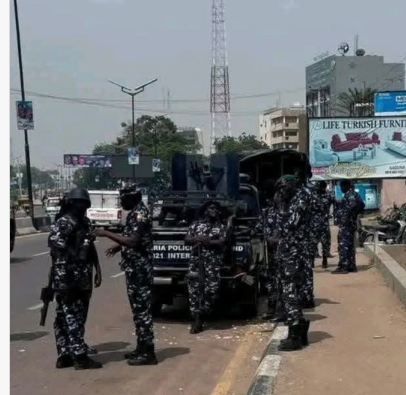
ABUJA — Six years after the #EndSARS protests, civil society organisations and human rights lawyers have called for stronger police accountability, effective reforms and respect for citizens’ rights, saying allegations of brutality, extortion and impunity continue to undermine public trust in the police.
They also called for the implementation of outstanding recommendations of judicial panels set up after the 2020 protests and safeguards against the political misuse of security agencies ahead of the 2027 general elections.
The stakeholders spoke against the backdrop of the sixth anniversary of the October 20, 2020, protests at the Lekki Toll Gate in Lagos, where protesters were reportedly killed during the demonstrations against police brutality.
The Executive Director of the Civil Society Legislative Advocacy Centre (CISLAC), Auwal Rafsanjani, said Nigerians deserved tangible evidence of police transformation rather than unfulfilled commitments.
“Certainly, we cannot describe a relationship built on fear, suspicion, intimidation and widespread allegations of extortion as a healthy police-civilian relationship,” Rafsanjani said.
He argued that the disbandment of the Special Anti-Robbery Squad (SARS) and subsequent policy changes had not sufficiently addressed concerns about police conduct.
“Changing the name of a police unit without changing its conduct is not reform,” he said.
Rafsanjani called for independent investigations into allegations of police misconduct, appropriate sanctions against offending officers, compensation for victims and improved welfare for personnel.
On the proposed establishment of state police, he said decentralisation must be accompanied by effective accountability mechanisms to prevent political interference and abuse of power.
“State police is relevant, but decentralising police powers without decentralising accountability could create 36 additional centres of political intimidation,” he warned.
The Country Director of Amnesty International Nigeria, Dr Andrew Mamedu, also said the relationship between the police and citizens remained strained by mistrust, fear and unresolved questions of accountability.
He said reports of tear gas being used against citizens commemorating the anniversary had further raised concerns about the police response to peaceful civic expression.
“Public relations campaigns alone cannot restore trust. They must earn it through respect for human rights, professionalism, and accountability. The Nigerian Police must understand that citizens are not enemies of the state, and demanding accountability is not a crime,” Mamedu said.
He acknowledged measures introduced since the protests, including the disbandment of SARS, revised operational regulations and efforts to improve professionalism, but said allegations of extortion, arbitrary arrests and excessive use of force continued to raise questions about the effectiveness of the reforms.
“We must move beyond reforms that exist only on paper. We must measure police reform by citizens’ safety and dignity, not by the number of policies announced,” he said.
Mamedu called for a shift from intimidation to community partnership and accountability, noting that difficult working conditions for police officers could not justify violations of citizens’ rights.
“A police officer should represent safety, not fear,” he said.
On state police, he said decentralisation could improve local intelligence gathering, response times and community engagement if supported by operational independence, transparent recruitment, independent oversight and safeguards against political interference.
With the 2027 general elections approaching, Mamedu warned against the use of security personnel to advance partisan interests.
He urged the police and other security agencies to protect voters, candidates, journalists, election officials and observers without discrimination.
“The police must protect the ballot, not political interests,” he said, calling for credible investigations and appropriate sanctions against security personnel implicated in electoral violence, intimidation or unlawful arrests.
The Executive Director of Global Rights, Abiodun Baiyewu, said the demands that triggered the 2020 protests remained largely unmet, citing continuing concerns over alleged extrajudicial killings and arbitrary arrests.
She called for the implementation of the ECOWAS Court judgment concerning the Lekki incident and urged the Lagos State Government to publicly account for its response to the recommendations of the judicial panel of inquiry.
A human rights lawyer, Idris Faro, however, said the police had made some progress in their relationship with citizens but needed to strengthen internal discipline and sanction erring officers.
“The police must continue to weed out the bad eggs and discipline them appropriately,” Faro said.
He condemned reports of tear gas being used against peaceful protesters commemorating the anniversary, describing the action as wrong.
Faro also urged security agencies to ensure free, fair and credible elections in 2027.
Another human rights lawyer, Toluwa Odheke, called for a comprehensive assessment of the country’s policing system, stressing that reforms must go beyond legislation and administrative directives.
“The ultimate measure of police reform is not the number of policies announced, units renamed or regulations issued. It is the extent to which the Nigerian people can trust that the law protects them equally,” Odheke said.
He warned that state police could reproduce existing abuses if adequate safeguards against political capture and the unaccountable use of force were not established.
Similarly, Patrick Onoja, a legal adviser to an educational institution, said the relationship between the police and civilians remained burdened by mistrust and unresolved demands for justice.
“A police institution cannot effectively protect a population that is afraid of it. Trust cannot be restored through official statements or commemorative events alone. It must be earned through consistent professional conduct, transparent investigations and accountability,” Onoja said.
While acknowledging the difficult conditions under which many police officers operate, Onoja called for improved funding, training, equipment and welfare, alongside stronger internal discipline.
The stakeholders maintained that rebuilding public confidence would require measurable improvements in police conduct, transparent investigations of alleged abuses and consistent enforcement of accountability measures.
The post Six years after EndSARS, Police-Civilian trust remains fragile appeared first on Vanguard News.