

Sri Lanka began enforcing a ban on fast food and sweets in schools on Tuesday to tackle what the government says are rising cases of diabetes and heart disease in children.
Much of Sri Lanka’s population lives below the poverty line, and many children still do not receive enough to eat.
But the island nation increasingly faces the opposite problem, with officials warning that more and more children are becoming overweight or obese.
Public health inspectors said on Tuesday they had started to implement guidelines issued by the education ministry this week prohibiting schools from providing food containing high levels of sugar, salt and fat.
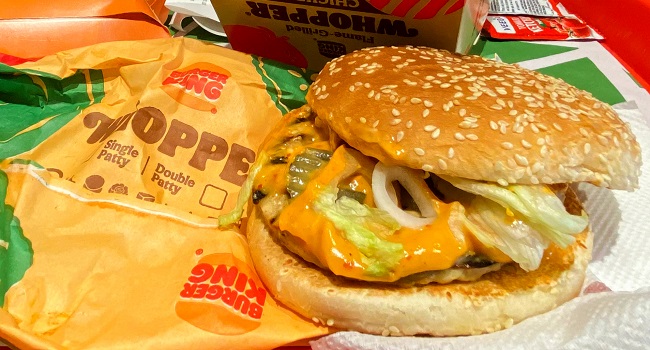
The ban means hot dogs, burgers, pizzas, doughnuts, ice cream, biscuits, flavoured milk, energy drinks, pastries, deep-fried snacks, and even condiments such as tomato sauce are off the menu for the country’s four million students.
“Poor eating habits among children directly contribute to the increase in nutritional problems and, later, to the rising incidence of non-communicable diseases such as diabetes, heart disease and cancer,” the ministry said in a statement dated Monday.
There is no reliable data on juvenile diabetes, cancer or heart problems in Sri Lanka, but authorities say they know anecdotally that the numbers are rising.
Twelve percent of schoolchildren between the ages of 13 and 17 were overweight, and another 3 percent were obese, as of 2024, according to government figures.

The ministry asked school managers to encourage students to eat rice, fresh fruit, vegetables, fish, meat, eggs, natural fruit juice, fresh milk, and tea or coffee with only small quantities of sugar.
It provided recipes for “healthy and highly nutritious” menus prepared with locally available ingredients.
Schools also may not permit advertisers of “unhealthy food” to sponsor events, according to a 122-page ministry guide seen by AFP.
According to UNICEF, around 17 percent of Sri Lankan children under the age of five experience stunting due to malnutrition.
About a quarter of the country’s 22 million people lived below the poverty line in 2024, but the proportion will likely fall to about one-fifth this year, according to the World Bank.
The post Sri Lanka Bans Junk Food In Schools Due To Health Concerns appeared first on Channels Television.