

By John Alechenu
ABUJA — Imo State Governor, Hope Uzodimma, has said the benefits of Nigeria’s petroleum subsidy regime largely accrued to intermediaries in the oil sector rather than ordinary Nigerians it was designed to protect.
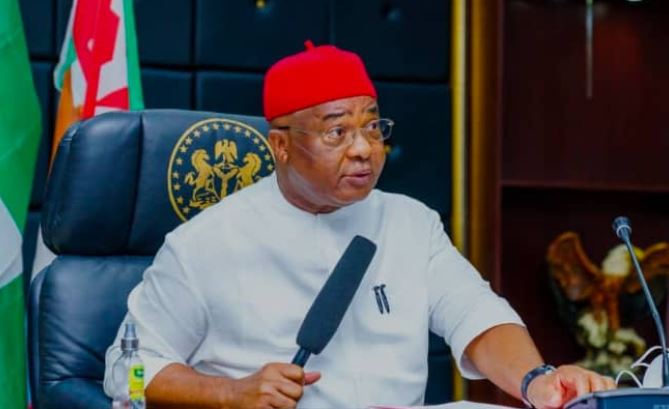
Uzodimma stated this on Wednesday while delivering an address at the ongoing 13th World Public Relations Forum 2026 in Abuja.
The forum was organised by the Global Alliance for Public Relations and Communication Management and hosted by the Nigerian Institute of Public Relations (NIPR).
The governor said responsible governance required building public trust through community engagement, stakeholder relations and inclusive development.
He described one of the greatest tests of leadership as taking difficult decisions that initially hurt the people but are expected to benefit them in the long run, while maintaining honest communication to secure public understanding and trust.
He said: “I like to think about leadership, the experience I learned in leading Imo State as governor and keeping the trust. Especially when you want to accept a decision that will hurt people first before such decisions will help them.
“It is even tougher when the administration is new and when the people are yet to see tangible results they can relate to.”
Citing the removal of the petroleum subsidy as an example, Uzodimma said the policy was originally intended to ease the burden on ordinary Nigerians but that much of its benefits went to intermediaries in the petroleum sector.
“The petroleum subsidy was meant to help ordinary Nigerians. But most of the benefits ended up with intermediaries in the sector,” he said.
He defended President Bola Tinubu’s decision to remove the subsidy, describing it as necessary in the overall interest of the country.
According to him, Nigerians across different sectors and segments of society had openly called for the removal of the subsidy before the policy was implemented.
“Do not forget that before he did that, Nigerians across different sectors and segments had openly canvassed and demanded that it be removed,” he said.
The governor further argued that the removal had increased the resources available to state governments and the Federal Capital Territory for infrastructure and socioeconomic development.
He, however, acknowledged that the resulting price adjustments had created difficulties for many households, stressing that reforms were more likely to deliver their intended benefits when citizens understood the reasons behind them.
Using an example from Imo State, Uzodimma explained how government interventions could benefit some groups while initially affecting the livelihoods of others.
He said the introduction of modern buses operating at affordable fares along busy routes in Owerri would reduce transportation costs for workers, traders and students but could affect commercial drivers who might see the initiative as a threat to their businesses.
He noted, however, that affected drivers could adapt by providing shuttle services, car hire operations and transportation services on routes not covered by the government buses.
“The import here is that the same decision that hurts many can help a few, at least for a while,” he said.
Uzodimma maintained that government’s responsibility was to ensure that the benefits of its policies reached as many people as possible while communicating the objectives and expected outcomes to those affected.
“But as a government, our duty is to spread the good as widely as we can, and to communicate our intentions, our purposes and goals to those who must bear some pain along the way,” he said.
He added that consistent, honest and effective communication was essential to helping citizens adjust to difficult policy decisions and maintain confidence in government.
“Achieving these takes consistent communication. You will need to keep communicating honestly and effectively with the people until they trust you,” the governor said.
The post Subsidy benefits went to intermediaries, not Nigerians — Uzodimma appeared first on Vanguard News.