

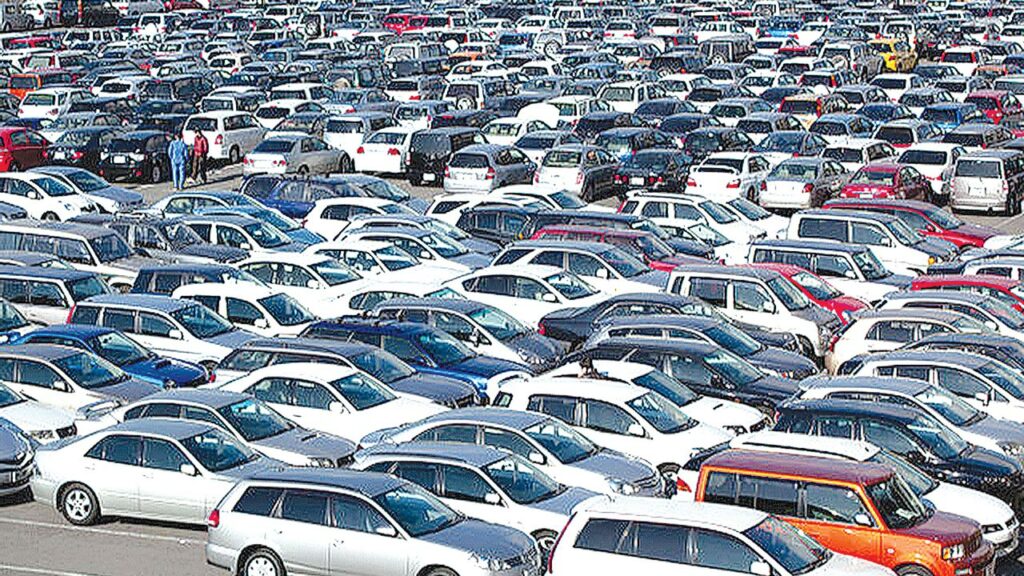
The Federal Government’s directive compelling ministries, departments and agencies to prioritise vehicles assembled or manufactured in Nigeria is a welcome attempt to make public spending serve industrial development. Under the Nigeria First policy, procurement should not automatically send billions of naira abroad when domestic alternatives are available. The directive also envisages tighter oversight, with exemptions where suitable vehicles cannot be sourced locally. The rationale is compelling. Nigeria has pursued automotive industrialisation for decades, yet its roads remain crowded with imported new and used vehicles. These imports drain foreign exchange and undermine local assemblers struggling with expensive finance, unreliable power and weak component supply chains. Government, as a major buyer, can provide predictable demand to encourage investment, employment, skills transfer and local production.
But a directive is only as credible as the example set by those who issue it. Will the Federal Government obey its own rule? President Bola Tinubu and federal lawmakers have too often displayed a preference for prestigious foreign car brands, treating imported luxury as a badge of office. If leaders parade foreign marques while ordering agencies to buy Nigerian, the policy will look less like industrial strategy than an instruction for subordinates. Governors Alex Otti of Abia and Chukwuma Soludo of Anambra deserve commendation for choosing Innoson vehicles for official use, with their states’ coats of arms proudly mounted. Their choices demonstrate that locally assembled vehicles can symbolise public authority. President Tinubu should follow suit by adopting one or two Nigerian-made brands for official duties. Such leadership would encourage federal officials, state leaders, businesses and Nigerians to reconsider their purchasing habits. An order becomes harder to ignore when its authors practise what they preach.
The influx of used imports and new foreign brands will not be reversed by procurement circulars alone. Local automakers must offer reliable vehicles, competitive prices, accessible financing, dependable spare parts and nationwide after-sales services. Government should support research, component manufacturers, technical training and infrastructure, while insisting on quality and value. Protection must not become a licence for inflated prices, complacency or patronage. What has the National Automotive Design and Development Council (NADDC) achieved through the National Automotive Industry Development Plan (NAIDP)? Its promise will remain hollow without sustained implementation, measurable local-content targets, transparent reporting and accountability. Nigeria cannot become Africa’s leading carmaking hub by announcing policies and leaving them to gather dust.
The government should publish procurement data, monitor compliance and disclose exemptions, while measuring progress in jobs, local content and affordability. It must help Nigerian brands build reputations that can win regional and international customers. Support for domestic automakers is not blind nationalism. It is a call to build a competitive industry. Leadership begins at the top. If the President and public officials lead by example, Nigeria First can move from slogan to showroom—and from showroom to factories, jobs and national prosperity.
The post Support for domestic auto-makers appeared first on Vanguard News.