

TRENDING
Nigeria meets South Africa over xenophobic attacks • IPOB: Kanu’s External Solicitor, Ejiofor, Remains Sacked • Making school holidays meaningful: a call for Recreational learning and an end to holiday classes • Sahara Group, Africa Prudential MDs for ICM Confab in Lagos • Transfer: Why Arsenal won’t sign Vinicius Jr from Real Madrid – Gary Neville • How Israel uses settler-soldier terror to colonise the West Bank • BBNaija: ‘If you disobey me, there’ll be consequences’ – HoH Chimsom tells housemates • Group demands probe into deadly Kaduna illegal miners’ clash • 11 poets on 2026 Nigeria Prize for Literature longlist to headline CORA Book Party • Mahari ya Sh4.5 milioni yataka kukatisha masomo ya mwanafunzi • See Ini Edo, Toke Makinwa, Liquorose & More Serve Burgundy Asoebi Perfection at Soso Soberekon’s Wedding • Awakening giants: Dortmund add stardust to their rise through leagues • Supreme Court abolishes delegate system for presidential and parliamentary primaries • 2026 budget is Ghana's worst performing since 2016 — Abu Jinapor • Government underfunding healthcare, putting lives at risk — Minority • Supreme Court upholds OSP’s prosecutorial powers, affirms AG’s authority to discontinue cases • Transfer: Gary Neville reacts to Chelsea’s decision to sign Welbeck, Henderson • NDDC trains traditional birth attendants to reduce maternal, newborn deaths • EXCLUSIVE: Alleged 2025 coup leader paid millions to Islamic clerics for spiritual backing • FIFA issues deadline to members over plan to sell $4 bn stake • Nigeria meets South Africa over xenophobic attacks • IPOB: Kanu’s External Solicitor, Ejiofor, Remains Sacked • Making school holidays meaningful: a call for Recreational learning and an end to holiday classes • Sahara Group, Africa Prudential MDs for ICM Confab in Lagos • Transfer: Why Arsenal won’t sign Vinicius Jr from Real Madrid – Gary Neville • How Israel uses settler-soldier terror to colonise the West Bank • BBNaija: ‘If you disobey me, there’ll be consequences’ – HoH Chimsom tells housemates • Group demands probe into deadly Kaduna illegal miners’ clash • 11 poets on 2026 Nigeria Prize for Literature longlist to headline CORA Book Party • Mahari ya Sh4.5 milioni yataka kukatisha masomo ya mwanafunzi • See Ini Edo, Toke Makinwa, Liquorose & More Serve Burgundy Asoebi Perfection at Soso Soberekon’s Wedding • Awakening giants: Dortmund add stardust to their rise through leagues • Supreme Court abolishes delegate system for presidential and parliamentary primaries • 2026 budget is Ghana's worst performing since 2016 — Abu Jinapor • Government underfunding healthcare, putting lives at risk — Minority • Supreme Court upholds OSP’s prosecutorial powers, affirms AG’s authority to discontinue cases • Transfer: Gary Neville reacts to Chelsea’s decision to sign Welbeck, Henderson • NDDC trains traditional birth attendants to reduce maternal, newborn deaths • EXCLUSIVE: Alleged 2025 coup leader paid millions to Islamic clerics for spiritual backing • FIFA issues deadline to members over plan to sell $4 bn stake
Talks ongoing to revive textile factories, Ajaokuta — FG
Back to Home

Talks ongoing to revive textile factories, Ajaokuta — FG

Vanguard Nigeria 1 day 3 mins read
Sports minister hails Super Falcons WAFCON qualification

…Nigeria on course to raise industry’s GDP contribution to 25% by 2030

…Industrialisation is key to Nigeria’s $1tn economy, says Enoh

By Juliet Umeh

The federal government has said discussions are ongoing to revive moribund textile factories across the country and the Ajaokuta Steel Company as part of efforts to reposition Nigeria’s industrial sector and accelerate economic growth.

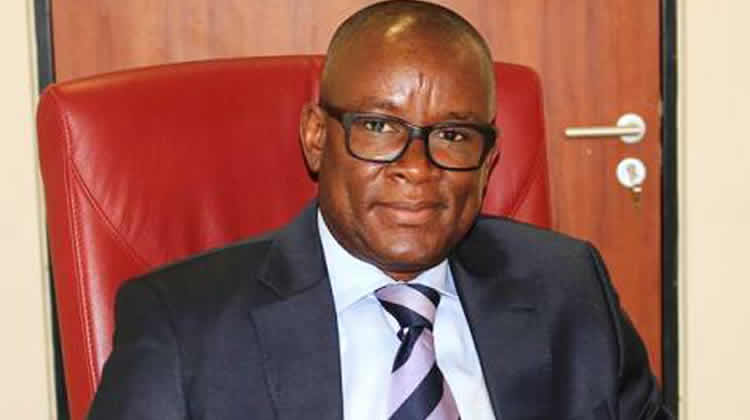
Minister of State for Industry, Senator John Enoh, disclosed this during an interview on Channels Television on Tuesday, saying the Tinubu administration was implementing the National Industrial Policy, NIP, to boost manufacturing, create jobs and drive Nigeria’s $1 trillion economy ambition.

Speaking of efforts to revive the textile industry, Enoh said the government was engaging investors and development partners to restore the cotton, textile and garment value chain.

“We are working on the Cotton, Textile and Garment Industrial Transformation Programme. We are reconnecting cotton growers, textile manufacturers and garment producers because that has been the missing link.”

He added that discussions were also ongoing with investors interested in converting abandoned textile factories into industrial parks.

“We are in touch with development and investment partners that are interested in investing. We hope that within the next few weeks, the necessary agreements will be concluded. They are interested in establishing industrial parks in many of those moribund textile factories.”

On Ajaokuta Steel Company, the minister said discussions with international investors were progressing.

“There is no meaningful industrialisation without steel. Conversations are ongoing, and in the next few days I will be meeting with an international consortium that is interested in Ajaokuta. We are optimistic these engagements will yield positive results.”

Enoh described industrialisation as the foundation of the federal government’s economic agenda, stressing that production was critical to achieving sustainable growth.

“We cannot build a one-trillion-dollar economy without production. You can put fiscal and monetary policies in place, but production remains the key to economic growth.”

He said the National Industrial Policy, launched in February this year, was the first comprehensive industrial policy Nigeria had developed in decades and was backed by an implementation framework with defined responsibilities and quarterly reporting.

The minister said the government was targeting an increase in industry’s contribution to gross domestic product, GDP, to 25 per cent by 2030.

“Our aspiration is that by 2030, industry’s contribution to GDP should rise to about 25 per cent. Every industrialised nation has a strong manufacturing base, and that is the direction Nigeria is taking.”

He said the government was also promoting value addition to reduce raw material exports and expanding access to affordable long-term financing through institutions such as the Bank of Industry.

Enoh added that the Nigeria First Policy was being implemented to encourage patronage of locally manufactured goods, while efforts were also underway to reduce manufacturers’ energy costs.

“Energy accounts for about 40 per cent of manufacturers’ operating costs. That is why we are working on practical solutions that will make power more affordable and reliable for industry.”

The post Talks ongoing to revive textile factories, Ajaokuta — FG appeared first on Vanguard News.

This article was sourced from an external publication.

Share this article
OneClick Africa Logo

Africa's premier digital hub for impactful news, entertainment, and business insights.

© 2026 OneClick Africa. All rights reserved.