

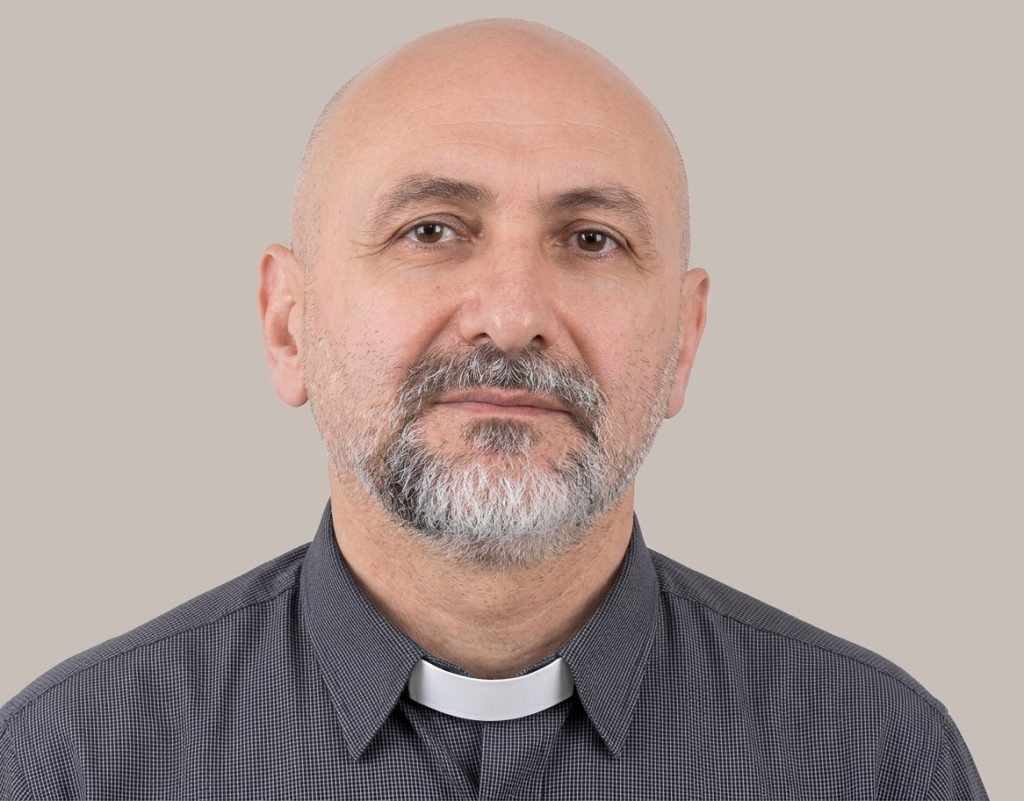
By Fada Oluoma
Sometimes last year i went to purchase a crucifix for my church at the popular St Cecelia’s sacramental shop in Wuse Zone 2. I was accompanied by my catechist and one other parishioner. We had a short argument on what size to buy. I chose a small one, the catechist argued that we should buy a much bigger one that will occupy up to 80 percent of the space reserved for it. I refused and used my veto power to get the small one.
Back then, I wasn’t even thinking about the possibility of a crucifix falling from it’s position and unaliving a priest or anyone in the church. I was driven more by modesty or simplicity. I believe in keeping things as simple as possible.
The cross i chose, though small is still very visible to anyone from any corner of that church. I didn’t see the need for a bigger one.
The chilling death of a priest by a wooden cross that fell on him gives me more reason to justify my choice retroactively.
Both cynics and critics have taken a dig at the Catholic faith over a cross killing a priest in church. To them, it is a caricature of our belief in a good and powerful God. To some other Christians, it is a punishment against idolatry, a sin they accuse Catholic Church of because of images. To some Catholics, it is ominous and a sucker punch.
Trying to explain away the deep and uncomfortable contradictions and pains this event causes would be simplistic and probably dishonest, perhaps delusional. We must accept and grapple with the scruples without losing our faith in God.
However, the most important thing about it are the lessons we must learn. They are as follows:
Death can occur anywhere and any time. People have been killed in churches and other sacred places. Prayer is sacred. Yet, if you pray in a church or grotto with mosquitoes, they are gonna bite and cause you malaria if you don’t take precaution and protect yourself. The prayer you are saying won’t protect you from their bite, unless God decides to use your case as miracle.
In churches, safety measures cannot be sacrificed for any pious oestentation, aestetics or expression. A giant crucifix hung on any church must be done in such a way that it will never accidentally fall on anyone. If this safety concern cannot be guaranteed by engineering, a small and lighter one that poses no threat to life could be placed instead. It’s most likely that signs of cracks on the wall where that crucifix was hung had begun showing but people didn’t take notice.
There is a difference between the cross that killed the priest and the cross on which Jesus Christ died. It wasn’t that cross that killed Jesus Christ. It was on that cross that Jesus died. The difference between the two is too deep and clear to be mistaken.
The cross of Jesus Christ still kills, yes. It kills our egos, lusts, selfishness, fear, doubts, carnal appetites, vices. That’s why Jesus said we should carry that cross and follow him. That is the cross that kills, it is different from a cross that can kill us when it lands on our head from the wall.
Nobody knows when they are dying. Today’s gospel at mass recounts those murdered by Pilate and mingled their blood with their sacrifices. They were most likely pious Jews who offered sacrifices to God, yet they died. What did Jesus do? He simply told those alive that they were not holier than those people and called for repentance.
The physical or wooden crucifixes in our churches are sacred symbols, we must remember this. We must remember that they are not meant to kill us by accident or intent. Same goes for other religious objects and pieties. Once we do what’s our possible best, everything else is in God’s hand.
While we are expected as Christians to be prepared for death, and I hope we all are, we must avoid the avoidable ones.
May the soul of Rev Fr Patricio Alfredo Sanchez rest in peace. Amen.
Fada Oluoma posted this on Sunday, October 25, 2026
While we are expected as Christians to be prepared for death, we must avoid the avoidable ones
The post The Cross that killed, the Cross that kills appeared first on Vanguard News.