

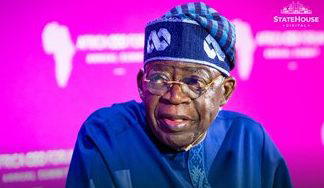
President Bola Tinubu’s approval of N10 billion as emergency intervention funding to pre-empt a regional surge of the Ebola Virus Disease (EVD) is a welcome and necessary step for national health security. Announcing the package alongside the creation of a Presidential Task Force on Ebola Virus Disease Preparedness signals that the administration understands the need for a proactive public health response.
With the World Health Organisation (WHO) having declared the outbreak in Central and East Africa a Public Health Emergency of International Concern, Nigeria cannot afford complacency. The trauma of 2014 remains fresh in our collective memory: infectious diseases do not respect borders, and delay costs lives. The funding is principally intended to strengthen the operational readiness of the Nigeria Centre for Disease Control and Prevention (NCDC). That mandate is vital, especially after the House of Representatives warned of crippling funding shortfalls at the agency. For the allocation to have meaningful effect, it must be converted immediately into enhanced laboratory diagnostics, adequate personal protective equipment and expanded epidemiological surveillance capable of rapid case detection and contact tracing.
The government’s emphasis on border defence is strategically sound. Activating isolation facilities at major travel hubs such as Lagos and Abuja airports, and introducing QR code pre arrival health declarations, creates an essential first line of defence. But these measures will succeed only if they are matched by well trained personnel and functioning systems on the ground. The real test of this fund, however, is execution rather than headline allocation. Nigeria’s management of emergency health finances has often been marred by delays and diversion during previous crises, most notably the COVID 19 response. The Presidential Task Force, chaired by the Chief of Staff, must therefore ensure absolute transparency and speed. Procurement must be open and auditable; disbursements should be tracked in real time; and there must be zero tolerance for bureaucratic bottlenecks or misappropriation.
Equally important is collaboration with state health ministries. International gateways are distributed across states, and local healthcare workers are the true front line. They require immediate, targeted training on the Bundibugyo Ebola strain, as well as the equipment and laboratory linkages necessary to identify and isolate cases rapidly. This N10 billion injection is an indispensable stopgap, but it exposes a deeper structural weakness: the nation’s health security cannot rely on ad hoc emergency releases.
Nigeria must move from episodic or fire brigade crisis financing to sustained and predictable budgetary investment in public health infrastructure, workforce development, and laboratory systems. The Task Force should act without delay—deploying resources to high risk border corridors, intensifying public information campaigns, and publishing clear, regular updates so citizens understand both risk and response. Nigeria has previously overcome Ebola through collective vigilance and institutional speed. With rigorous implementation and accountability, we can do so again.
The post Tinubu’s N10 billion Ebola fund appeared first on Vanguard News.