

By Henry Ojelu
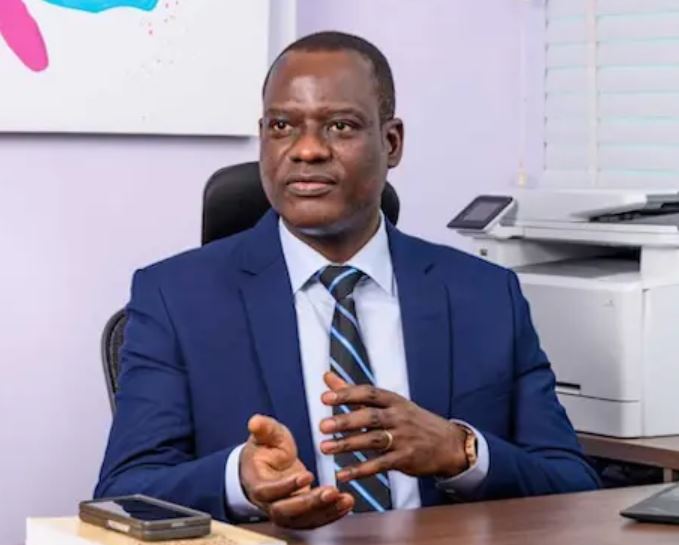
International observers, economic experts and other stakeholders have commended President Bola Tinubu for appointing Taiwo Oyedele as Minister of Finance and Coordinating Minister of the Economy, describing the development as evidence of the President’s search for competent hands to drive his economic agenda.
Oyedele recently provided Nigerians with an account of the government’s reform scorecard, disclosing that N15.8 trillion was paid into the Federation Account between June 2023 and December 2025 as proceeds from the removal of petrol subsidy.
According to him, the Federal Government received N5.4 trillion from the amount, while the 36 states and 774 local government areas received N10.4 trillion.
The minister also disclosed that the Federal Government borrowed N11.9 trillion between June 2023 and December 2025, noting that the borrowing would have been significantly higher without the fiscal space created by the administration’s economic reforms.
Oyedele’s disclosure came shortly after Tinubu declared that Nigerians deserved to know the gains recorded from the economic reforms introduced by his administration over the past three years.
The reforms began with some of the administration’s most far-reaching policy decisions, including the removal of petrol subsidy and the unification of the foreign exchange market.
While the measures initially triggered significant pressure on households and businesses, the government has consistently argued that they were necessary to strengthen public finances, attract investment and place the economy on a more sustainable footing.
The administration has subsequently introduced measures aimed at increasing government revenue, improving tax administration, reducing fiscal leakages and strengthening the country’s fiscal position.
It has also pursued policies designed to attract private capital, improve the business environment and reduce the economy’s dependence on crude oil revenues.
Oyedele’s presentation provided further insight into the rationale behind the reforms, while highlighting the resources generated and how they have affected the finances of the three tiers of government.
For many Nigerians, the disclosure also offered some measure of reassurance, particularly against the backdrop of the economic hardship triggered by the reforms.
Beyond presenting figures, Oyedele explained the pressures facing households and businesses and outlined measures being pursued by the government to cushion the effects of the policies.
The development has, therefore, reinforced the argument that Tinubu’s decision to assemble a team of technocrats and professionals capable of explaining and implementing his economic policies could prove critical to the success of the reforms.
Oyedele’s role, in particular, has placed him at the centre of the administration’s efforts to communicate its fiscal and economic policies to Nigerians, providing data and explanations on the impact of the reforms on government revenue, borrowing and the broader economy.
For the Tinubu administration, the challenge remains ensuring that the gains highlighted in the reform scorecard translate into tangible improvements in the living standards of Nigerians, businesses and other economic actors.
The post Tinubu’s talent hunting evident in Oyedele appeared first on Vanguard News.