

…..Children Under Five Bear Over 80% of Burden as Government Unveils New Food Safety Measures
By Joseph Erunke, Abuja
The Federal Government has raised concerns over Nigeria’s growing food safety crisis, revealing that unsafe food causes nearly 50 million illnesses and more than 53,000 deaths annually, with children under five accounting for over 80 per cent of the disease burden.
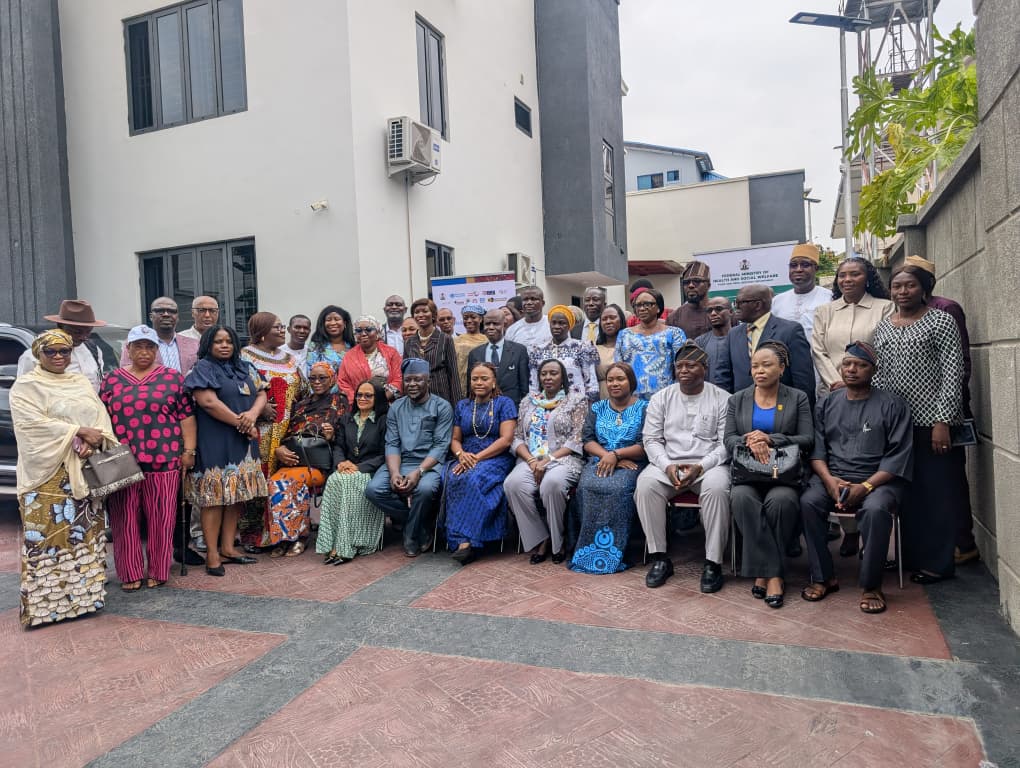
Minister of State for Health and Social Welfare, Dr. Iziaq Adekunle Salako, disclosed this on Monday in Abuja during a ministerial press briefing marking the 2026 World Food Safety Day, themed “From Burden to Solutions – Safe Food Everywhere.”
According to Salako, updated estimates from the World Health Organization (WHO) show that unsafe food continues to exact a heavy human and economic toll on the country.
He said Nigeria records almost 50 million cases of foodborne illnesses every year, while more than 53,000 people die from diseases linked to contaminated food.
The minister noted that the combined impact of these illnesses and deaths results in about 4.26 million years of healthy life lost annually through sickness, disability and premature death.
“Most of this burden falls heavily on children under five, who account for more than 80 per cent of all foodborne disease burden in Nigeria,” he said.
Salako explained that beyond illness and mortality, unsafe food affects children’s cognitive development, physical growth and future productivity.
He identified diarrhoeal diseases caused by foodborne pathogens as the largest contributor to Nigeria’s food safety burden, noting that more than 40 million diarrhoeal illnesses each year are linked to pathogens such as Salmonella, E. coli, Campylobacter, Shigella and Rotavirus.
The minister also highlighted growing concerns over chemical contamination, particularly lead exposure linked to contaminated grains, spices and water sources.
He, however, said Nigeria has made progress in strengthening food safety systems. According to him, the country’s 2023 Joint External Evaluation (JEE) recorded improvements in food safety capacity, while its 2025 State Party Annual Report (SPAR) score exceeded WHO targets for low- and middle-income countries.
Salako said Nigeria is among the leading countries in Sub-Saharan Africa in detecting, reporting and responding to foodborne disease outbreaks.
He added that the government has strengthened coordination through the National Food Safety Management Committee and implemented the National Integrated Guidelines for Foodborne Disease Surveillance and Response to improve outbreak investigation, laboratory confirmation, food recalls and risk communication.
The minister also announced measures aimed at addressing unhealthy diets associated with non-communicable diseases such as hypertension, diabetes, stroke, heart disease and obesity.
He said Nigeria has developed National Guidelines for Sodium Reduction, while the National Agency for Food and Drug Administration and Control (NAFDAC) has finalized draft regulations to limit sodium levels in processed foods.
According to him, the country is also implementing regulations to eliminate industrial trans fats in line with WHO recommendations and is strengthening policies on sugar-sweetened beverages and front-of-pack food labelling to encourage healthier consumer choices.
In a goodwill message delivered on behalf of NAFDAC Director-General, Prof. Mojisola Adeyeye, the agency reaffirmed its commitment to reducing foodborne diseases through science-based regulation, surveillance and stronger food control systems.
Represented by Eva Edwards, Director of Food Safety and Applied Nutrition, NAFDAC described food safety as critical to public health, economic growth and national development.
Permanent Secretary of the Federal Ministry of Health and Social Welfare, Ms. Kachollom Daju, said food safety and healthy nutrition must be addressed together, warning that microbial contamination and poor dietary practices are creating a growing public health challenge.
She called for coordinated action involving government agencies, regulators, academia, industry and civil society to tackle the problem.
Development partner Resolve to Save Lives (RTSL) also pledged continued support for Nigeria’s food safety and nutrition initiatives, including sodium reduction, trans-fat elimination, healthy public food procurement and consumer awareness programmes.
Officials from the Federal Ministry of Environment stressed that food safety is a collective responsibility, identifying poor sanitation, unsafe water, pollution, climate change, weak waste management systems and unsafe agricultural practices as major contributors to foodborne diseases.
The ministry called for stronger environmental surveillance, improved food hygiene standards, enhanced laboratory capacity, public awareness campaigns and stricter enforcement of food safety regulations.
The World Health Organization urged Nigeria to take advantage of newly available country-specific evidence to strengthen efforts against foodborne diseases, describing safe food as a fundamental human right and a cornerstone of health, nutrition and economic productivity.
The Standards Organisation of Nigeria (SON) also emphasized the importance of standards in protecting consumers and strengthening confidence in the nation’s food system.
Salako urged the media to intensify public awareness campaigns on safe food handling and healthy diets, stressing that achieving safe food for all Nigerians requires collective action.
“Food safety is everyone’s business. It saves lives, strengthens our economy and protects our children,” he said. “The numbers show clearly that food safety is not optional; it is a national imperative.”
The post Unsafe Food causes 53,000 deaths annually in Nigeria, FG warns appeared first on Vanguard News.