

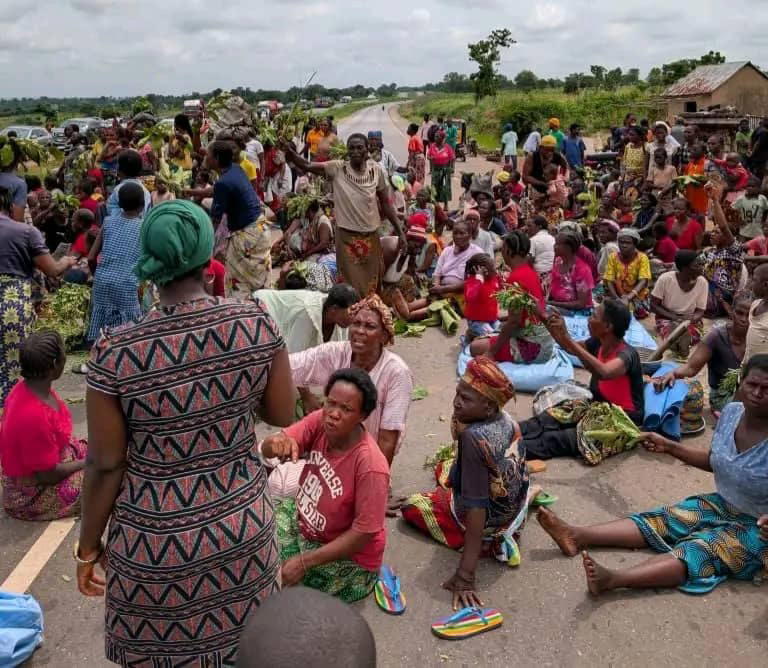
For millions of internally displaced Nigerians scattered across about 3,900 camps and settlements nationwide, home is no longer a place of comfort but a distant memory. Many have spent years in camps established as temporary shelters that have gradually evolved into permanent settlements.
The question that should trouble every Nigerian is: when will these IDP camps be shut? Data from the International Organization for Migration’s Displacement Tracking Matrix (IOM/DTM), the National Bureau of Statistics (NBS) and humanitarian agencies show that Nigeria’s displacement crisis has outgrown the boundaries of a humanitarian emergency. An estimated 3.7 million Nigerians remain internally displaced by insurgency, banditry, communal violence, kidnapping and climate-related disasters such as flooding. Behind these statistics are shattered lives, broken communities and uncertain futures.
Entire families have spent years in overcrowded camps plagued by inadequate healthcare, poor sanitation, limited educational opportunities and little prospect of economic independence. The longer these camps exist, the greater the danger of permanent loss. Although some progress has been recorded in states such as Borno and Yobe, renewed attacks in the North-East, North-West and other troubled parts of the country continue to trigger fresh waves of displacement. The result is a vicious cycle in which new displacement consistently outpaces resettlement. The real solution lies far beyond humanitarian relief. It requires the complete defeat of criminal groups, rebuilding destroyed communities, restoring schools and hospitals, compensating victims, helping farmers return to their land, creating sustainable employment and ensuring justice for those who have lost everything. Without these measures, displacement will persist regardless of the volume of relief materials distributed.
Emergency assistance saves lives, but it does not rebuild them. The Federal Government and state governments must lead the task of restoring dignity to displaced citizens while humanitarian agencies and development partners provide support. The continued existence of IDP camps is a painful reminder that the Nigerian state is failing to secure its territorial sovereignty and protect its people from external insurrectionists and domestic criminal groups as constitutionally mandated.
These camps must close. However, this should only happen when displaced persons can return safely to their communities. Displaced persons are generally unwilling to return because security has not been fully restored and basic infrastructure is still lacking. Until displaced Nigerians can safely return home, rebuild their livelihoods and live without fear, the country’s security challenges remain unresolved.
We strongly reiterate that it is the constitutional responsibility of the Federal Government and the armed forces, working in tandem with the state governments and patriotic Nigerians, to ensure that those who invaded peaceful and law-abiding communities for ethnic territorial expansion are flushed out and punished according to the law. Without justice, there will be no deterrence against future occurrences.
All displaced communities must be fully restored to their ancestral patrimonies.
The post When will Nigeria’s IDP camps finally close? appeared first on Vanguard News.