

By Jimoh Razaq
For years, Africa’s technology ecosystem has concentrated much of its entrepreneurial energy, investment capital and innovation around fintech, e-commerce, mobility, telecommunications and entertainment. These sectors have produced remarkable companies, attracted international investment and demonstrated that African businesses can build technology products capable of scaling across borders.
But there is another industry with enormous economic significance, deeply entrenched inefficiencies and a largely untapped opportunity for technological transformation: construction.
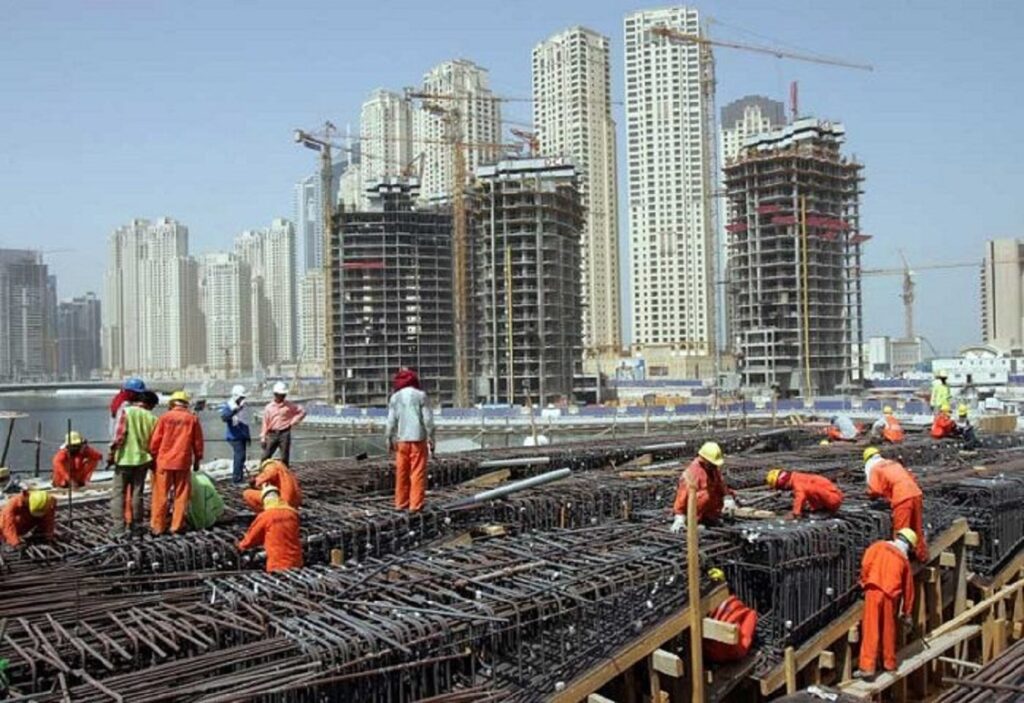
It is an industry that builds our homes, roads, hospitals, schools, factories, power infrastructure and cities. It employs millions of people, supports extensive manufacturing and distribution networks, moves significant volumes of capital and sits at the centre of economic development.
Yet much of its operational infrastructure remains fragmented, manual and inefficient.
While technology has transformed how people transfer money, order food, book transportation and access entertainment, the processes through which buildings and infrastructure are planned, financed, procured and delivered remain remarkably difficult to coordinate.
This is not simply an operational inconvenience. It is a massive economic opportunity.
The next generation of transformative African technology companies may emerge from solving the problems of the industries that physically build Africa.
The industry technology has overlooked
Construction is one of the world’s largest economic sectors. Global construction output was approximately $13 trillion in 2023, with projections suggesting it could reach $22 trillion by 2040.
Yet its productivity performance remains disappointing.
McKinsey’s 2024 research found that global construction productivity grew by approximately 0.4 per cent annually between 2000 and 2022, compared with around 2 per cent for the broader economy. This represents a productivity improvement of only about 10 per cent over more than two decades.
The implications are significant.
Projects experience delays. Budgets become unreliable. Material procurement remains fragmented. Labour productivity is difficult to measure. Project information is scattered across emails, spreadsheets, paper documents and messaging applications. Developers, contractors, consultants, suppliers, artisans and investors often operate without a shared information environment.
These challenges are particularly visible in emerging markets, where informal transactions, inconsistent data, financing constraints and infrastructure limitations compound existing industry inefficiencies.
Africa’s infrastructure ambitions make the opportunity even more important. The OECD’s Africa’s Development Dynamics 2025 estimates that investing approximately $155 billion annually in infrastructure could significantly accelerate the continent’s economic growth.
The question is not whether Africa needs more construction. It clearly does.
The question is whether the industry can deliver the volume of housing, infrastructure and commercial development required without fundamentally changing how it operates.
That is where technology founders should pay attention.
Construction is not just an engineering industry. It is a technology ecosystem waiting to be connected.
One of the biggest misconceptions about construction technology is that innovation is primarily about drones, robotics, 3D printing or sophisticated building design software.
Those technologies matter, but they represent only a fraction of the opportunity.
Construction is also an industry of financial transactions, procurement networks, logistics, labour coordination, data management, risk assessment, asset management and complex workflows.
Every construction project creates multiple interconnected problems that technology can solve.
Consider what happens when someone decides to build a house.
They need to verify land ownership, develop architectural and structural drawings, estimate project costs, secure financing, identify qualified professionals, procure materials, engage artisans, manage construction activities, monitor expenditure and verify completion.
Each stage involves multiple stakeholders, financial commitments and operational decisions.
In many African markets, these activities are still managed through disconnected systems.
There is an opportunity to build technology infrastructure that connects this entire process.
Opportunities that could redefine construction in Africa
AI-powered construction cost intelligence: One of the most persistent problems in construction is inaccurate project costing. Material prices fluctuate. Labour rates differ by location. Transportation costs change. Exchange-rate movements affect imported materials, while poor historical data makes reliable forecasting difficult.
An intelligent construction cost engine could combine material prices, labour rates, geographical information, historical project costs and market conditions to generate more reliable estimates.
Imagine a developer being able to estimate the cost of constructing a residential building in Lagos, Abuja, Ibadan or Accra using current market information rather than relying entirely on outdated rate books.
This is an opportunity for AI engineers, data scientists and construction professionals to build genuinely useful products.
Digital construction material marketplaces: The procurement of cement, reinforcement steel, roofing materials, electrical fittings, plumbing components and other construction products remains highly fragmented. Buyers frequently depend on personal contacts, multiple quotations and informal supplier relationships.
A verified digital marketplace could connect manufacturers, distributors, suppliers, contractors and developers through transparent pricing, product verification, digital payments and delivery tracking.
Beyond convenience, such a platform could improve price discovery, reduce procurement fraud and create a more accountable supply chain.
Save-To-Build financial technology: Millions of people want to build houses but cannot finance the entire project at once. Traditional construction financing is often inaccessible, while informal savings arrangements do not necessarily provide the structure or safeguards required for long-term building projects.
A Save-To-Build platform could allow individuals to accumulate funds towards clearly defined construction milestones. For example, a customer could save towards land documentation, architectural design, foundation construction, roofing and finishing.
Funds could be released against verified milestones, supported by appropriate financial safeguards and partnerships with regulated financial institutions.
This creates an opportunity to connect personal finance, construction delivery and financial inclusion.
AI-powered site supervision and project intelligence: Construction sites generate enormous amounts of information, but much of it is not systematically captured or analysed. Artificial intelligence, computer vision and mobile technology could help monitor construction progress, identify deviations from approved designs, track material consumption, record labour attendance and flag potential safety issues.
A project owner could receive a digital site performance report without having to depend exclusively on periodic manual updates.
The goal is not to replace professional site supervision or engineering judgement. It is to equip professionals with better information to make faster and more informed decisions.
5. Skilled labour and artisan marketplaces
Africa’s construction industry depends heavily on skilled and semi-skilled workers, many of whom operate within informal employment networks. Finding reliable masons, electricians, plumbers, tilers, welders, carpenters and other artisans can be difficult.
A structured digital marketplace could provide verified profiles, skills assessments, ratings, work histories, location-based discovery and protected payment arrangements.
Such platforms could also create opportunities for professional training, certification and workforce development.
Technology can help formalise an important part of the construction economy without excluding the people who already work within it.
Digital property development and off-plan sales platforms: Property developers frequently sell units before construction is completed. However, buyers may struggle to obtain reliable information about construction progress, payment schedules, contractual obligations and project delivery.
A digital off-plan platform could provide verified developer profiles, interactive property models, payment tracking, digital contracts and construction progress updates.
This would improve transparency and help restore confidence in property development markets.
Modular and industrialised construction technology: Construction technology should not be limited to software. There is a significant opportunity in developing prefabricated building systems, modular housing components, standardised structural elements and rapid-assembly construction solutions.
Combining digital design, manufacturing automation and efficient project logistics could reduce construction time, material waste and repetitive site activities.
This is particularly relevant to affordable housing, student accommodation, healthcare facilities and standardised institutional buildings.
Construction logistics and material tracking: Materials and equipment move continuously between manufacturers, warehouses, suppliers, transport operators and construction sites. Poor coordination leads to delayed deliveries, unnecessary transportation costs, material losses and idle equipment.
Internet of Things technology, QR codes, GPS tracking and logistics management software could provide greater visibility across the supply chain.
Developers could know what has been ordered, what has been dispatched, what has arrived and what has actually been consumed on site.
Digital building approvals and regulatory platforms: Building approval processes can involve several agencies, professional submissions, inspections and compliance requirements. Technology could help digitise application processing, document verification, inspection scheduling, permit tracking and regulatory records.
A properly integrated platform would improve transparency, reduce administrative delays and make compliance easier to monitor.
Governments could also benefit from better urban development data and more efficient building control.
AI-powered construction education and workforce development: Africa cannot build the infrastructure it needs without a skilled construction workforce. There is an opportunity to develop digital learning platforms for artisans, technicians, junior engineers, quantity surveyors, project managers and other construction professionals.
Artificial intelligence could personalise learning, provide technical explanations in accessible language and support practical training.
Local language support, including Yoruba, Hausa, Igbo and Pidgin, could make technical education more accessible to workers who may not benefit from conventional English-language training alone.
Land intelligence and title verification: Land ownership and title verification remain significant challenges in many African property markets. Technology platforms could integrate land registry records, survey information, ownership documentation, encumbrance checks and geographic information systems.
Where government data access and legal frameworks permit, secure verification APIs could help professionals, developers, investors and financial institutions conduct more reliable due diligence.
This could reduce information asymmetry and improve confidence in property transactions.
Digital estate and infrastructure planning: Housing developments require more than individual buildings. They require roads, drainage, electricity, water supply, waste management and other essential infrastructure.
Digital planning tools could integrate land surveys, topographical data, engineering designs, utility networks and development requirements to support more efficient estate planning.
AI-assisted design could help professionals evaluate alternative layouts, estimate infrastructure costs and identify potential planning constraints.
Integrated construction collaboration platforms: Perhaps one of the most important opportunities is the creation of a shared digital workspace for the entire construction value chain. Architects, engineers, quantity surveyors, contractors, developers, suppliers and clients need to work with the same project information.
A centralised collaboration platform could connect drawings, revisions, bills of quantities, procurement, contracts, schedules, budgets, site reports, payments and project performance.
Think of it as the digital operating system for a construction project.
Rather than managing every activity through disconnected applications, stakeholders could operate within a coordinated environment.
Why this opportunity is bigger than another startup trend
There is a temptation to approach construction technology as another opportunity to build an application, raise venture capital and pursue rapid user acquisition. That would be a mistake.
Construction technology requires a deeper understanding of the industry. A product that works in a conventional consumer technology environment may fail on a construction site if it does not account for procurement practices, professional responsibilities, contractual relationships, payment structures, regulatory requirements and the realities of field operations.
The most successful founders will not necessarily be those who write the best code. They will be those who understand the problems deeply enough to build technology that people are willing to use repeatedly.
This requires collaboration between technology founders and construction professionals. Software engineers need to understand construction workflows. Construction professionals need to become more comfortable with data, automation and digital systems. Investors need to understand that some construction technology products require longer adoption cycles but can eventually become deeply embedded in the industry.
There is also a need to build for Africa’s realities rather than simply importing solutions designed for different markets. Products must account for fragmented supply chains, mobile-first users, varying levels of digital literacy, unreliable connectivity in some locations, local payment systems, regulatory differences and the informal economy. Technology must simplify the industry, not make it more complicated.
The investment opportunity: from individual applications to industry infrastructure
The most interesting opportunities may not necessarily be standalone applications. They may be the platforms that become essential infrastructure for how the industry operates.
A material marketplace that becomes the primary procurement channel for thousands of contractors. A financial technology platform that manages construction savings, project financing and milestone payments. A project management system that becomes the standard operating environment for developers and contractors. A labour marketplace that connects millions of skilled workers with verified opportunities. An AI-powered construction intelligence platform that becomes an essential tool for estimating, planning and monitoring projects.
Each of these businesses could develop substantial commercial value if it achieves product-market fit, trusted distribution and sustainable unit economics.
They also create opportunities for interconnected ecosystems. For example, a construction cost platform can connect to a material marketplace. The marketplace can connect to financing. Financing can connect to project monitoring. Project monitoring can connect to procurement and payment verification.
This is how technology can move beyond isolated applications and become an operating layer for an entire industry.
The role of governments and institutional investors
The transformation of construction cannot be left to startups alone. Governments control important parts of the enabling environment, including land administration, building regulations, public procurement, infrastructure investment and access to official records.
They should create opportunities for responsible technology companies to participate in digitising these systems. Public agencies can support interoperable data standards, transparent procurement processes, digital building approval systems and reliable property information infrastructure.
Financial institutions and institutional investors also have a role to play. Construction technology companies may require patient capital, industry partnerships and access to real project environments to validate their solutions.
Venture capital firms should look beyond the familiar consumer technology categories and examine businesses that improve productivity across construction, infrastructure and industrial supply chains.
The OECD’s infrastructure investment analysis makes clear that Africa’s development ambitions require substantial capital mobilisation. Technology will be essential in improving how that capital is translated into productive assets.
Africa needs builders who understand both code and concrete
I believe we are approaching an important moment in the evolution of African technology. The continent has demonstrated that it can develop financial technology platforms, digital marketplaces and innovative consumer products.
The next opportunity is to apply that same entrepreneurial energy to the industries that underpin economic development. Construction is one of them. The opportunity is not simply to digitise paperwork or replace manual processes with mobile applications. It is to redesign how projects are financed, planned, procured, executed and managed.
It is to make construction more transparent, more productive, more predictable and more accessible. It is to use technology to reduce waste, improve project delivery, expand access to housing and accelerate infrastructure development.
This is also the thinking behind what we are developing with Ladaar: a connected construction technology ecosystem bringing together construction finance, professional services, procurement, project intelligence and workflow automation.
But the opportunity extends far beyond one company or one platform. Africa needs many more innovators willing to understand this industry and build solutions around its real problems.
The next generation of technology leaders should look beyond the sectors that have already attracted the most attention. They should look at the industries where inefficiencies are deepest, where the economic stakes are highest and where technology can produce tangible improvements in people’s lives.
Africa does not just need more technology companies. It needs technology companies that can help build Africa.
The next great African technology opportunity may not be another application for transferring money, ordering food or booking a ride. It may be the technology that helps us build a million homes, deliver infrastructure more efficiently, connect construction professionals, finance projects responsibly and create better cities.
The future of African technology will not be written by code alone. It will also be built with concrete, steel, data and innovation. And it is time the technology ecosystem paid attention.
Razaq is a construction and project management professional
The post Why construction could become Africa’s key technology, investment opportunity appeared first on Vanguard News.