

By Chioma Obinna
Healthcare experts have raised concerns over Nigeria’s worsening maternal and child mortality crisis, warning that thousands of women continue to die during childbirth because they either receive poor care, arrive too late at hospitals, or are trapped by harmful cultural beliefs.
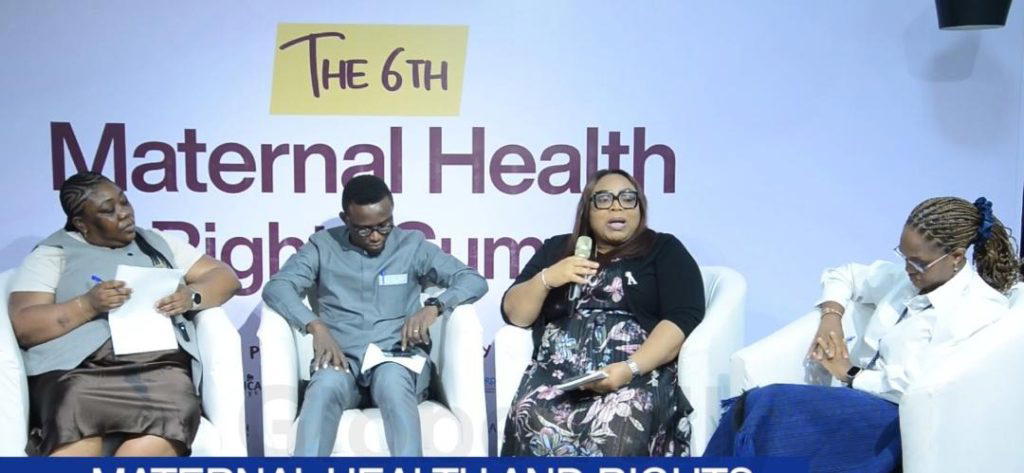
Speaking at the 6th Maternal Health Summit organised by Safer Hands Health Initiative, SHI, stakeholders said despite years of interventions, grants and awareness campaigns, Nigeria still ranks among countries with the worst maternal health indices globally.
In an interview with Good Health Weekly, the Programme Manager at Safer Hands Health Initiative, Dr. Oluwakemisola Agoyi, described the situation as “really sad,” stressing that preventable deaths persist largely because many women do not receive timely and appropriate care.
“The bulk of why we keep ending up on that poor maternal morbidity ratio is because of the type of care that women receive or are able to access and because of the delays they get,” Agoyi said.
“If we are able to provide appropriate care at the appropriate time and the appropriate place, then we will be able to mitigate it.”
She said Nigeria’s shortage of healthcare professionals has made it necessary to increasingly rely on community-based attendants and nurses to bridge critical gaps in maternal care delivery.
Agoyi also highlighted the growing role of technology and Artificial Intelligence, AI, in improving maternal healthcare outcomes, saying digital tools are now helping healthcare workers track pregnancies, predict complications and follow up women who miss antenatal appointments.
“Technology can help us to track, monitor and predict things before they happen. You can use text messages to follow up women who miss clinic appointments and digital imaging to detect complications early,” she said.
According to her, some locally driven innovations presented at the summit showed how AI-powered biomarker extraction and antenatal monitoring systems are already being deployed in Nigeria.
Also, the Executive Director of HCA Consults and Project Lead for the summit, Dr. Habeeb Moshood, told Good Health Weekly, that expanding affordable health insurance coverage remains one of the strongest solutions to reducing maternal and child deaths.
He noted that some state governments, including Lagos, Delta and Ogun, have made progress by introducing health insurance schemes that reduce out-of-pocket spending for pregnant women.
“Health insurance helps in reducing out-of-pocket expenses and exposing people to financial catastrophes,” Moshood said.
He also urged stronger collaboration between government and the private sector in areas such as diagnostics, pharmaceuticals, hospital services and maternal health research.
“The government cannot do everything alone. What it can do is create a thriving environment for the private sector to operate and grow. When private stakeholders grow, healthcare delivery improves,” he added.
Moshood further blamed deep-rooted cultural beliefs and misinformation for discouraging many women from seeking proper maternal care.
“Many people had died because they don’t want to do cesarean section because of their cultural belief towards it. We need to explain that it is lifesaving for both the mother and the child. It does not make a woman less of a woman,” he said.
Also in an interview at the summit, the Managing Director of Ingress Health Partners, Dr. Orode Doherty, said communities must take greater responsibility in preventing maternal deaths by identifying local problems and creating emergency support systems for pregnant women.
“The role of the community is to identify where the problem is and begin to put things in place to solve the problem,” Doherty said.
He explained that communities can help reduce deadly delays by organising emergency transportation systems, supporting pregnant women to access care quickly and ensuring health facilities are adequately prepared for emergencies.
“We say our pregnant women — there must be no more deaths. What is causing them to die? When communities decide they want to solve that problem, they can solve it,” he added.
However, the summit brought together healthcare professionals, researchers, policymakers, community leaders and development partners to discuss solutions aimed at reducing preventable maternal and child deaths in Nigeria.
The post ‘Why Nigerian women are still dying during childbirth’ appeared first on Vanguard News.

 Punch Nigeria
 Premium TImes
 Business Day
 The Guardian Nigeria
 Daily Post
 Complete Sports
 Vanguard Nigeria
 This Day