

TRENDING
APC, Accord Party trade blame over Osun Motor Park crisis • Benue: Gov Alia approves two local government appointments • The Biggest Threat to Africa’s Data Centre Race Is the Grid • NPFL: Niger Tornadoes players undergo medical tests ahead of new season • Singapore to give every child nearly $70,000 in government support • Fulham v Chelsea: Premier League – live • Two feared dead as violence rocks Osun motor park • FULL LIST: Ogogo, Temitope Osoba, other Nollywood stars we lost in 2026 • TUC pickets Abuja Continental, says workers treated like slaves • Air Chief Decries Misinformation, Hostile Narratives About Military Operations • Plateau police ban Keke operations in Jos, Bukuru for Eid Maulud • The Next Level: Making Nollywood Films That Travel • Trump govt proposes $103k fee for skilled worker visa • Edo Assembly converts ex-Speaker’s resignation to impeachment • Subsidy reversal will worsen Nigeria’s economy – Information Minister knocks Atiku • Miss World 2026: Meet the 24 African Contestants Representing Their Countries in Vietnam • Sanwo-Olu, Lai Mohammed, Gbenga Daniel to discuss 2027 elections, insecurity at 7th Freedom Online lecture • Adeleke unveils 10-man election violence victims committee, invites petitions • Troops storm illegal shanties, dismantle criminal hideouts in Abuja • Rehabs: Lagos to shut Oke-Ifa Bridge, Isolo for 3weeks • APC, Accord Party trade blame over Osun Motor Park crisis • Benue: Gov Alia approves two local government appointments • The Biggest Threat to Africa’s Data Centre Race Is the Grid • NPFL: Niger Tornadoes players undergo medical tests ahead of new season • Singapore to give every child nearly $70,000 in government support • Fulham v Chelsea: Premier League – live • Two feared dead as violence rocks Osun motor park • FULL LIST: Ogogo, Temitope Osoba, other Nollywood stars we lost in 2026 • TUC pickets Abuja Continental, says workers treated like slaves • Air Chief Decries Misinformation, Hostile Narratives About Military Operations • Plateau police ban Keke operations in Jos, Bukuru for Eid Maulud • The Next Level: Making Nollywood Films That Travel • Trump govt proposes $103k fee for skilled worker visa • Edo Assembly converts ex-Speaker’s resignation to impeachment • Subsidy reversal will worsen Nigeria’s economy – Information Minister knocks Atiku • Miss World 2026: Meet the 24 African Contestants Representing Their Countries in Vietnam • Sanwo-Olu, Lai Mohammed, Gbenga Daniel to discuss 2027 elections, insecurity at 7th Freedom Online lecture • Adeleke unveils 10-man election violence victims committee, invites petitions • Troops storm illegal shanties, dismantle criminal hideouts in Abuja • Rehabs: Lagos to shut Oke-Ifa Bridge, Isolo for 3weeks
5 newest countries in Africa
Back to Home

5 newest countries in Africa

Vanguard Nigeria about 3 hours 2 mins read
5 newest countries in Africa

Africa is home to 54 recognised countries, but some of them are considerably younger than others.

While many African nations gained independence in the 1950s and 1960s, a handful became independent much later.

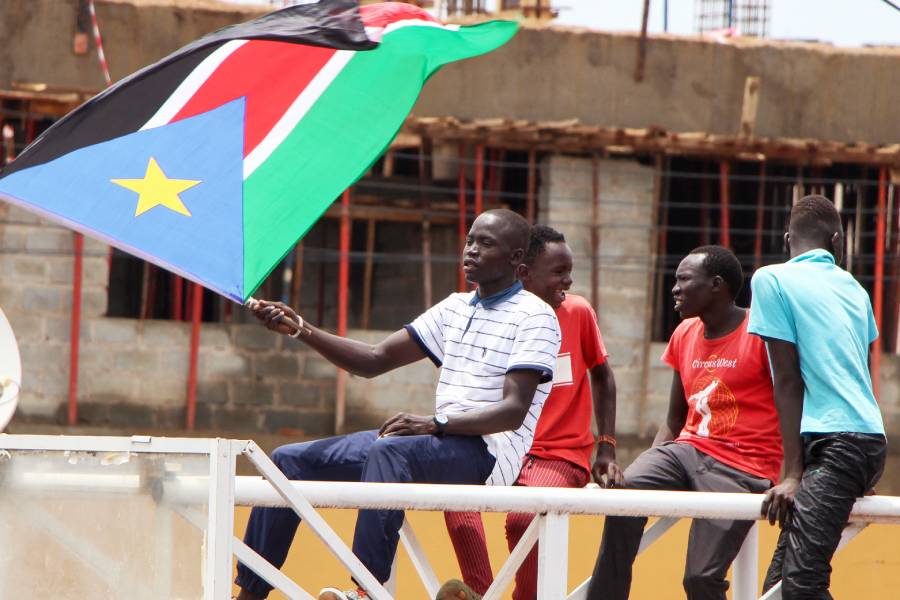
The continent’s newest country is South Sudan, which gained independence in 2011 after decades of conflict and a referendum on self-determination.

Here are the five newest countries in Africa, based on their dates of independence:

1. South Sudan – 2011

South Sudan is the newest country in Africa and the youngest internationally recognised country in the world.

It became independent from Sudan on July 9, 2011, following a referendum in which an overwhelming majority of voters backed independence.

The country emerged after years of civil war between forces in northern and southern Sudan. Its capital and largest city is Juba.

2. Eritrea – 1993

Eritrea became independent from Ethiopia on May 24, 1993, following a prolonged armed struggle.

The country had been federated with Ethiopia in 1952 before Ethiopia annexed it in 1962. The subsequent independence war lasted for about three decades.

Eritrea’s capital is Asmara, which is known for its distinctive Italian colonial-era architecture.

3. Namibia – 1990

Namibia gained independence from South African rule on March 21, 1990, becoming one of Africa’s newest sovereign states at the time.

The country had previously been known as South West Africa and was administered by South Africa for decades.

Namibia is located in southwestern Africa and is known for its vast desert landscapes, including the Namib Desert. Its capital is Windhoek.

4. Zimbabwe – 1980

Zimbabwe became an independent nation on April 18, 1980, following years of armed conflict and political negotiations.

The country was formerly known as Rhodesia under white minority rule. Independence followed the Lancaster House Agreement, which paved the way for democratic elections.

Harare became the capital of the newly independent country.

5. Djibouti – 1977

Djibouti became independent from France on June 27, 1977, making it the fifth-newest country in Africa.

The country was previously known as the French Territory of the Afars and Issas. Following a referendum and negotiations with France, Djibouti achieved independence.

Located in the Horn of Africa, Djibouti occupies a strategically important position near the Red Sea and the Gulf of Aden. Its capital, Djibouti City, is also the country’s largest urban centre.

Vanguard News

The post 5 newest countries in Africa appeared first on Vanguard News.

This article was sourced from an external publication.

Share this article
OneClick Africa Logo

Africa's premier digital hub for impactful news, entertainment, and business insights.

© 2026 OneClick Africa. All rights reserved.