

TRENDING
Osun: Oyetola condemns post-election violence, calls for justice • عمر الدقير يكتب.. الحارث إدريس وتقويل التاريخ القريب • Talensi residents storm Assembly, reject electricity bills over persistent blackouts • Wanaotajwa kumrithi Dk Nchimbi hawa hapa • 'It is survival for the fittest': Gachagua rejects opposition zoning plan • EPL: Bassey rues Fulham’s defeat to Chelsea • Kano Diphtheria Outbreak Kills Over 50 Children, Say Lawmakers • BREAKING: Poco Lee to appear for assault trial September 15 — London court • Olaopa Seeks Knowledge-driven Reform In Civil Service As Walson-Jack Presents Books • جيش البرهان: احتفال بتولية “مليشيا جبريل” قيادة العاصمة القومية..! • Top 10 poorest countries in the world as African countries dominate • Ghanaians need mindset revolution to develop — Dr. Amoah • Official listed as Sokoto coordinator disowns alleged fake agency • Eid-el-Maulud: Leadership not measured by promises — CAN • السعودية والإخوان.. حين تُسلَّم مفاتيح الخليج للعقارب • Anayedaiwa kuchoma moto Mahakama akamatwa akiwa kwenye sherehe za Maulid • مهزلة المهرّج مني اركو مناوي • Shinkafi vows to proceed with campaign despite court case over Zamfara primary • 65 Nigerians to return from South Africa Wednesday • العيالاتية… ما الذي أخافنا في غلاف كتاب لم يصدر بعد؟ • Osun: Oyetola condemns post-election violence, calls for justice • عمر الدقير يكتب.. الحارث إدريس وتقويل التاريخ القريب • Talensi residents storm Assembly, reject electricity bills over persistent blackouts • Wanaotajwa kumrithi Dk Nchimbi hawa hapa • 'It is survival for the fittest': Gachagua rejects opposition zoning plan • EPL: Bassey rues Fulham’s defeat to Chelsea • Kano Diphtheria Outbreak Kills Over 50 Children, Say Lawmakers • BREAKING: Poco Lee to appear for assault trial September 15 — London court • Olaopa Seeks Knowledge-driven Reform In Civil Service As Walson-Jack Presents Books • جيش البرهان: احتفال بتولية “مليشيا جبريل” قيادة العاصمة القومية..! • Top 10 poorest countries in the world as African countries dominate • Ghanaians need mindset revolution to develop — Dr. Amoah • Official listed as Sokoto coordinator disowns alleged fake agency • Eid-el-Maulud: Leadership not measured by promises — CAN • السعودية والإخوان.. حين تُسلَّم مفاتيح الخليج للعقارب • Anayedaiwa kuchoma moto Mahakama akamatwa akiwa kwenye sherehe za Maulid • مهزلة المهرّج مني اركو مناوي • Shinkafi vows to proceed with campaign despite court case over Zamfara primary • 65 Nigerians to return from South Africa Wednesday • العيالاتية… ما الذي أخافنا في غلاف كتاب لم يصدر بعد؟
5 newest countries in Europe
Back to Home

5 newest countries in Europe

Vanguard Nigeria about 1 hour 2 mins read
5 newest countries in Europe
By Deborah Oyekale

While many countries in Europe have histories stretching back hundreds of years, several countries on the continent are relatively new.

Most of them were formed in the 1990s and 2000s following the break-up of larger states.

Here are the 5 newest countries in Europe:

1. Kosovo
Kosovo is the youngest country in Europe. It declared independence from Serbia on February 17, 2008. The declaration came after years of conflict and international administration. Today, Kosovo is recognized by more than 100 countries, including the United States and most EU members. It has its own government, currency, and flag, but its status remains disputed with Serbia.

2. Montenegro
Montenegro became an independent country on June 3, 2006. It separated from Serbia after citizens voted for independence in a national referendum. The small Adriatic nation quickly joined the United Nations and later began talks to join the European Union. Known for its coastline and mountains, Montenegro is now one of Europe’s newest democracies.

3. Serbia
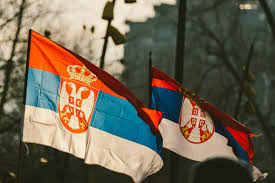
Serbia also became an independent state on June 3, 2006. That was the same day Montenegro left their shared union. Serbia was the larger partner in the former “Serbia and Montenegro” and continued as the legal successor state. Since then, Serbia has focused on economic reform and EU membership talks while managing regional relations in the Balkans.

4. Czechia
Czechia, also called the Czech Republic, was formed on January 1, 1993. It was created when Czechoslovakia peacefully split into two countries in what was known as the “Velvet Divorce.” Czechia became a market economy, joined NATO in 1999, and the European Union in 2004. Prague, its capital, is now one of Europe’s top tourist and business destinations.

5. Slovakia
Slovakia was also formed on January 1, 1993, alongside Czechia. The split was peaceful and both countries agreed to go separate ways. Slovakia joined NATO and the EU at the same time as Czechia. It later adopted the euro in 2009 and has grown into one of Central Europe’s key manufacturing hubs.

    These five countries show how much Europe has changed in the last 30 years. From peaceful splits to contested independence, each new nation has had to build its own institutions, economy, and place in the world.

    Vanguard News

    The post 5 newest countries in Europe appeared first on Vanguard News.

    This article was sourced from an external publication.

    Share this article
    OneClick Africa Logo

    Africa's premier digital hub for impactful news, entertainment, and business insights.

    © 2026 OneClick Africa. All rights reserved.