

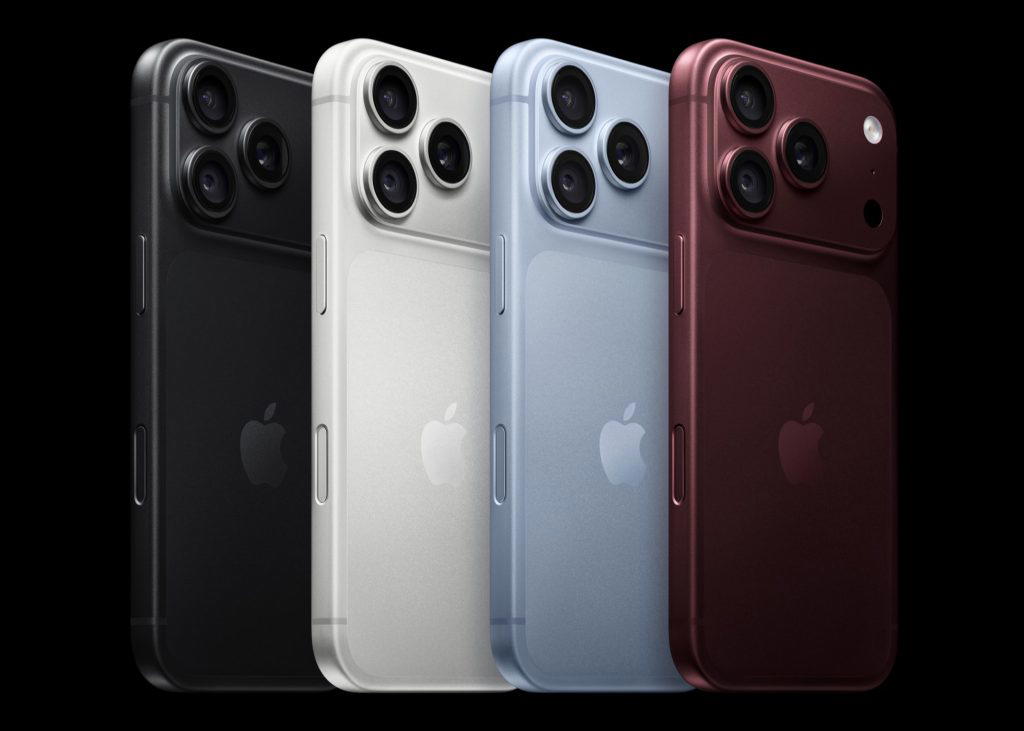
Apple has unveiled the iPhone 18 Pro and iPhone 18 Pro Max, with the company placing a major focus on camera performance as it seeks to strengthen its position in the premium smartphone market.
The new iPhone 18 Pro models introduce a 48MP Fusion Main camera with variable aperture, a first for the iPhone, allowing users to adjust the aperture for different lighting and depth-of-field effects.
Apple says the new camera system delivers improved low-light photography, sharper detail and greater creative control. The phones also gain new Pro controls that allow users to manually adjust settings including aperture, shutter speed and white balance.
But Apple is not alone in offering high-end smartphone cameras.
Several Android flagships already compete aggressively in photography, particularly in areas such as zoom, night photography, portraits and AI-powered image processing.
Here are five phones that can give the iPhone 18 Pro a serious challenge in camera performance.
1. Samsung Galaxy S26 Ultra
Samsung’s Galaxy S26 Ultra is one of the strongest alternatives for smartphone photography.
The Galaxy Ultra series has traditionally focused heavily on camera versatility, offering multiple lenses for different shooting situations, particularly long-distance photography.
This makes the Samsung flagship a strong option for users who frequently take zoomed-in photographs, landscapes and detailed shots from a distance.
The iPhone 18 Pro’s new variable-aperture main camera gives Apple greater control over light and depth of field, but Samsung remains a major competitor when it comes to having multiple focal lengths in one device.
2. Google Pixel 11 Pro
Google’s Pixel 11 Pro takes a different approach, relying heavily on computational photography and artificial intelligence to improve images.
The phone features a triple-camera system and new photography tools designed to give users more control over how their pictures look.
Google has also improved its low-light capabilities with Instant Night Sight and introduced Camera Looks, allowing users to customise the processing style applied to their photographs.
For users who want impressive photographs without spending much time manually adjusting camera settings, the Pixel 11 Pro is one of the phones worth considering.
3. Google Pixel 11 Pro XL
The larger Pixel 11 Pro XL also deserves attention from users who prioritise smartphone photography.
Like its smaller sibling, the phone benefits from Google’s computational photography and AI features, while offering a larger display for reviewing and editing photographs and videos.
The Pixel 11 Pro XL has been praised for its improved camera performance, AI capabilities and image-processing features.
Its appeal is particularly strong for users who value Google’s software-driven approach to photography.
4. Samsung Galaxy Z Fold 8 Ultra
For users who want both a powerful camera and a foldable design, Samsung’s Galaxy Z Fold 8 Ultra offers an alternative to Apple’s conventional flagship.
The foldable category has increasingly moved beyond novelty, with manufacturers adding more capable cameras and flagship-level hardware.
Samsung’s foldable also offers an advantage for photography and editing because of its large internal screen, which can provide more room to review images and work with content.
5. iPhone 17 Pro Max
The previous-generation iPhone 17 Pro Max may also remain an attractive option for users who want Apple’s camera experience without immediately moving to the new iPhone 18 Pro.
Before the iPhone 18 Pro arrived, the iPhone 17 Pro Max was regarded by TechRadar as its top overall camera phone, particularly for realistic photographs and video recording. Samsung’s Galaxy S26 Ultra was ranked as a leading Android alternative, especially for zoom and ultra-wide photography.
The arrival of the iPhone 18 Pro changes the equation, however, with Apple’s latest model adding variable aperture and additional manual camera controls.
Vanguard News
The post 5 phones with cameras that can rival Apple’s new iPhone 18 appeared first on Vanguard News.