

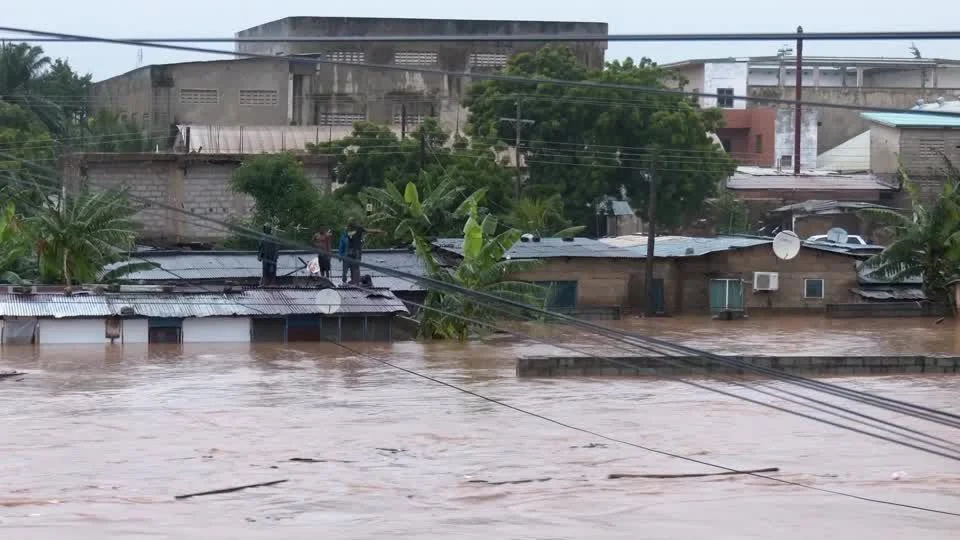
The torrential rains that pounded Lagos, Ogun, Rivers and several parts of southern Nigeria on 30th June were not merely another episode of seasonal downpours. They were a damning reminder that Nigeria has learnt little from decades of recurring flood disasters. As roads disappeared beneath raging waters, homes were submerged, businesses grounded and thousands of commuters left stranded, one question echoed across the country: how many more warnings must nature issue before governments at all levels act? The tragedy is that these disasters are no longer surprises. The Nigerian Meteorological Agency (NiMet) and the Nigeria Hydrological Services Agency (NIHSA) had repeatedly warned that 2026 would witness above-normal rainfall, identifying over 14,000 communities in 33 states and the Federal Capital Territory as vulnerable to flooding. Yet, as always, officialdom remained trapped in its familiar cycle of warnings without action.
Year after year, governments allocate billions of naira for erosion control, drainage construction and ecological intervention. Yet every rainy season exposes clogged drains choked with refuse, illegal structures defiantly occupying waterways, collapsed drainage networks and urban planning that exists only on paper. Public officials rush to inspect flooded communities only after lives have been lost and properties worth billions destroyed. This ritual of reaction instead of prevention is unacceptable. The 30th June floods should also remind us that climate change is no longer a distant global conversation but a harsh local reality. Across the continent, from Ghana to Kenya, South Africa to the Democratic Republic of the Congo, increasingly violent rainfall is leaving behind death, displacement and shattered infrastructure. Yet while climate change intensifies rainfall, corruption, poor governance and environmental abuse magnify its consequences.
Nigeria’s cities are becoming concrete jungles where wetlands have been recklessly “reclaimed”, natural waterways blocked and drainage channels converted into refuse dumps. Urban development has become an open invitation to disaster. Those who approve illegal buildings on flood plains are as culpable as those who dump waste into drains. The Federal Government, state governments and local councils must declare flood prevention a national emergency. Drainage systems must be cleared before, during and after the rains. Illegal structures obstructing waterways should be demolished without political interference. Environmental laws must be enforced without fear or favour, while emergency agencies should shift from disaster response to prevention. Citizens must be responsible. A society that turns drainage channels into refuse bins cannot expect sympathy when those same channels overflow. Good governance breeds environmental discipline.
The annual flood season should not continue to resemble a national ritual of mourning. Every life lost to preventable flooding is an indictment of leadership. Every submerged home is evidence of failed planning. Every displaced family is a reminder that government exists first to protect lives and property. The June 30 downpour has delivered yet another stern warning. Are we listening?
The post Coping with the flood menace appeared first on Vanguard News.

 Premium TImes
 Vanguard Nigeria
 This Day
 Business Day