

TRENDING
BUA Foods, Nascon converts more sales into profit in H1 • Koroma returns to Sierra Leone after treason charges are withdrawn • Election 2027: Why housing must top politicians’ campaign manifestos • Bauchi senator Buba rejects banditry claims, cites legal action • ECOWAS trade scheme unlocks regional markets for Nigerian exporters • One more person to love, US singer Ciara announces fifth pregnancy • G100, opposition’s late scramble for unity dead on arrival — APC, Keyamo • It’s our turn to produce next Awujale — Fusengbuwa Ruling House • FG begins Kara Bridge repair works Tuesday • Sokoto: Terrorists flee as troops overrun forest hideouts, seize weapons • Police arrest two over burglary as stolen iPhone sells for N25,000 • UN Votes to Adopt New World Map That Shows Africa's True Size • Kebbe attack: Sokoto govt declares total war on terrorists • Adeyanju hails EFCC’s achievements, urges probe of increased state revenues • Dr.Ayub Mukisa: Trust, Distrust, and Mistrust: How They Have Failed Ugandans • TOP STORY: Dei BioPharma wins Africa CDC nod as APPM medicines manufacturer, opening Uganda to the African health-products market • EPL: Gary Neville blames two Man Utd players for 2-2 draw with Everton • Datti knew Peter Obi was a packaged fraud – Sowore alleges • Indonesia market fire kills 11, including six children • Tinubu’s alleged drug case takes new twist as US firm hints at video evidence • BUA Foods, Nascon converts more sales into profit in H1 • Koroma returns to Sierra Leone after treason charges are withdrawn • Election 2027: Why housing must top politicians’ campaign manifestos • Bauchi senator Buba rejects banditry claims, cites legal action • ECOWAS trade scheme unlocks regional markets for Nigerian exporters • One more person to love, US singer Ciara announces fifth pregnancy • G100, opposition’s late scramble for unity dead on arrival — APC, Keyamo • It’s our turn to produce next Awujale — Fusengbuwa Ruling House • FG begins Kara Bridge repair works Tuesday • Sokoto: Terrorists flee as troops overrun forest hideouts, seize weapons • Police arrest two over burglary as stolen iPhone sells for N25,000 • UN Votes to Adopt New World Map That Shows Africa's True Size • Kebbe attack: Sokoto govt declares total war on terrorists • Adeyanju hails EFCC’s achievements, urges probe of increased state revenues • Dr.Ayub Mukisa: Trust, Distrust, and Mistrust: How They Have Failed Ugandans • TOP STORY: Dei BioPharma wins Africa CDC nod as APPM medicines manufacturer, opening Uganda to the African health-products market • EPL: Gary Neville blames two Man Utd players for 2-2 draw with Everton • Datti knew Peter Obi was a packaged fraud – Sowore alleges • Indonesia market fire kills 11, including six children • Tinubu’s alleged drug case takes new twist as US firm hints at video evidence
Dollar to Naira exchange rate today, September 7, 2026
Back to Home

Dollar to Naira exchange rate today, September 7, 2026

Vanguard Nigeria about 1 hour 2 mins read
Dollar to Naira exchange rate today, September 7, 2026

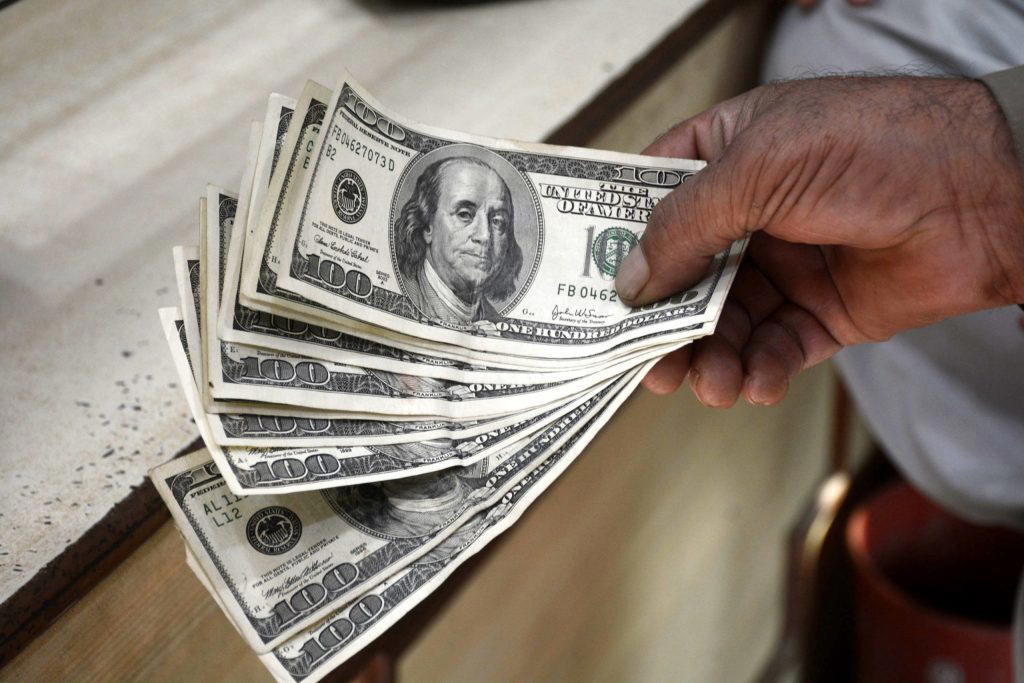
The dollar-to-naira exchange rate opened the new week with the naira trading at about ₦1,321.68 per US dollar at the official rate, while the parallel market rate stood at ₦1,390 per dollar for buying and ₦1,400 for selling, according to available market data.

The latest available NFEM figure for September 7 puts the official exchange rate at ₦1,321.68 to the dollar. However, the Central Bank of Nigeria’s published NFEM table shows September 4 as the latest dated trading entry, with a rate of ₦1,321.2160 per dollar. The September 7 figure should therefore be treated as the latest available indicative rate rather than a confirmed CBN trading close.

At the parallel market, Aboki Forex reported a buying rate of ₦1,390 and a selling rate of ₦1,400 per dollar. This means a person selling $1 could receive about ₦1,390, while buying $1 could cost approximately ₦1,400. Actual rates may vary by dealer, location and transaction size.

The difference between the indicative official rate and the parallel-market selling rate is about ₦78.32 per dollar. For $100, the indicative official equivalent is approximately ₦132,168, while buying $100 at the parallel-market selling rate would cost about ₦140,000.

The naira’s performance remains closely watched by importers, businesses, travellers and Nigerians receiving or sending foreign currency. However, the parallel market is separate from the regulated official market, and the two rates should not be treated as interchangeable.

Rates can change during the day, so anyone exchanging currency should confirm the current quote with a bank, licensed Bureau de Change or trusted dealer before completing a transaction.

The post Dollar to Naira exchange rate today, September 7, 2026 appeared first on Vanguard News.

This article was sourced from an external publication.

Share this article
OneClick Africa Logo

Africa's premier digital hub for impactful news, entertainment, and business insights.

© 2026 OneClick Africa. All rights reserved.