

By Providence Ayanfeoluwa
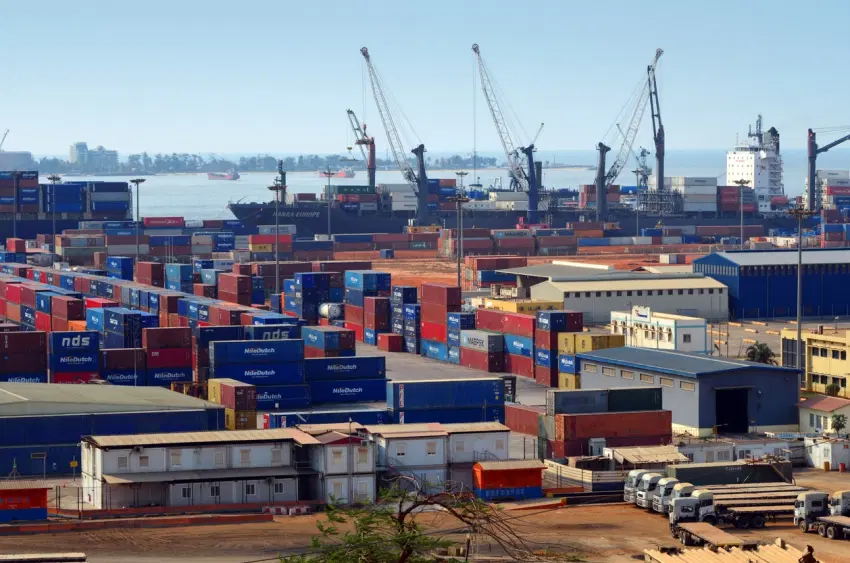
Nigeria’s growing exposure to drug trafficking through its seaports is posing a serious threat to the country’s international trade reputation, economic competitiveness and investment prospects, the Sea Empowerment & Research Center (SEREC) has warned.
In its July 2026 Policy Bulletin released yesterday, SEREC said the persistent use of Nigerian seaports as transit routes for narcotics could trigger stricter cargo inspections by destination countries, resulting in longer cargo clearance times, higher logistics costs and disruptions to legitimate trade.
The organisation warned that the continued exploitation of Nigeria’s maritime gateways by international drug trafficking syndicates could undermine confidence in the country’s port system and elevate its global maritime risk profile.
According to the report, the consequences extend beyond criminality, with the country’s trade and economic interests also at risk.
“Beyond the criminal dimension, persistent attempts to use Nigerian ports as transit corridors for narcotics could undermine the country’s international trade reputation, attract stricter destination-country inspections, increase cargo clearance delays, discourage investment, and elevate Nigeria’s global maritime risk profile,” the bulletin stated.
SEREC further noted that maritime drug trafficking fuels a network of other transnational crimes, including money laundering, organised crime, corruption and illicit financial flows, all of which weaken institutions, undermine national security and threaten economic stability.
To curb the menace, the organisation urged the Federal Government to move beyond a seizure-based enforcement strategy and adopt an intelligence-led approach to prevention.
Specifically, it recommended the deployment of Artificial Intelligence (AI)-driven cargo profiling, wider installation of non-intrusive cargo scanners, stronger container tracking systems and enhanced collaboration among the Nigeria Customs Service (NCS), National Drug Law Enforcement Agency (NDLEA), Nigerian Ports Authority (NPA), Nigerian Maritime Administration and Safety Agency (NIMASA) and other security agencies.
SEREC also advocated the full implementation of the National Single Window platform to improve information sharing, cargo monitoring and risk assessment across government agencies involved in trade facilitation and border security.
According to the report, integrating technology with stronger inter-agency cooperation would significantly reduce the ability of criminal networks to exploit Nigerian ports while improving the efficiency of legitimate cargo movement.
“SEREC therefore calls for a transition from seizure-based enforcement to intelligence-led prevention through the deployment of Artificial Intelligence (AI)-driven cargo profiling, wider installation of non-intrusive cargo scanners, strengthened container tracking systems, deeper collaboration among Customs, NDLEA, NPA, NIMASA and other security agencies, and the full integration of the National Single Window to enhance information sharing and risk management,” the report stated.
It stressed that Nigeria’s ports must remain gateways for legitimate international commerce rather than safe havens for transnational criminal enterprises, warning that proactive reforms are essential to protect trade, attract investment and safeguard the nation’s long-term economic security.
The post Drug trafficking through ports threatens Nigeria’s trade reputation, economy — Report appeared first on Vanguard News.

 Daily Post
 Channels TV
 Punch Nigeria
 Vanguard Nigeria
 InformationNG
 Premium TImes