

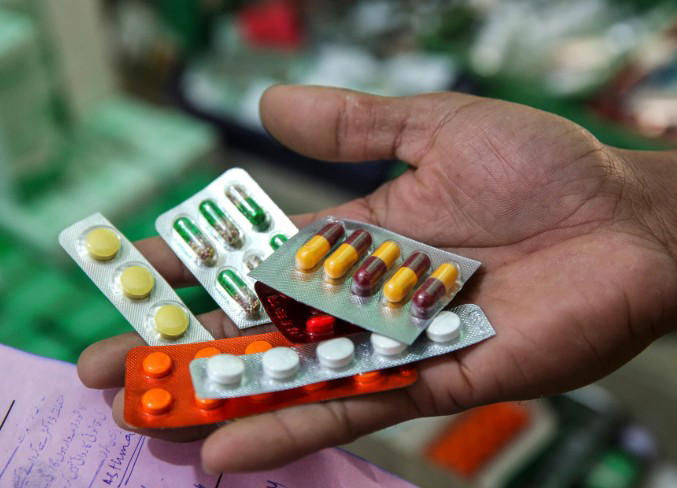
Nigeria’s battle against illicit drugs has reached a decisive moment. As the world marks the International Day against Drug Abuse and Illicit Trafficking, the warning from the UN Office on Drugs and Crime (UNODOC) that Nigeria stands at a critical juncture must be accepted as more than rhetoric. The expanding availability of cannabis, opioids and synthetics, the emergence of online markets and traffickers’ growing sophistication have transformed the drug trade into a powerful, profit-driven industry that preys on our most vulnerable.
To treat the problem as solely a matter for law enforcement is to ignore the realities that drive demand. Many young Nigerians — battered by unemployment, poverty and the absence of opportunity — see drugs not merely as escape but also as a path into a precarious economy. Parents, teachers and community leaders witness the consequences: fractured families, schools emptied of promise, and the slow erosion of safety in neighbourhoods already strained by insecurity. Yet enforcement cannot be abandoned. Agencies such as the National Drug Law Enforcement Agency (NDLEA) perform a vital role in disrupting networks, seizing consignments and bringing traffickers to justice. The state must sustain and strengthen these efforts, investing in intelligence-sharing, border controls and regional cooperation to follow the money and the supply chains that feed addiction here.
Crucially, however, arrest without rehabilitation risks recycling victims back into the hands of dealers. Addiction is a health issue as much as a criminal one. Compassionate, evidence-based treatment and accessible counselling must be universally available. Rehabilitation centres need reputable standards, funding and oversight. Community-based recovery programmes must be scaled up, and prisons should prioritise treatment over punitive neglect. Prevention demands long-term social investment. Expanding quality education, meaningful vocational training and job creation reduces the incentives that drive youth towards drugs. Schools should teach emotional literacy and resilience alongside academics, equipping young people to resist peer pressure and cope with trauma. Families must be supported with parenting programmes and mental-health services that spot early warning signs.
Civil society and religious groups have indispensable roles as well. Local campaigns, peer counselling and grassroots outreach often reach places where government cannot. Public messaging must avoid stigmatising those with substance-use disorders; shame drives problems underground and hinders recovery. The international dimension cannot be ignored. Nigeria needs deeper cooperation with regional and global partners to dismantle trafficking networks and curb the flow of precursors and synthetic drugs. Financial probes targeting proceeds of trafficking will sap the profitability that sustains organised crime. This International Day should galvanise a joined-up national strategy — one that marries rigorous enforcement with compassionate healthcare and long-term social reform. Only by attacking both supply and demand, and by restoring hope and opportunity to the young, can Nigeria begin to roll back the spread of drugs and safeguard its communities. The time for half-measures has passed.
The post Fighting drug war with correctional spirit appeared first on Vanguard News.

 Mwananchi
 Punch Nigeria
 Vanguard Nigeria