

The heatwave gripping Europe is putting people’s health at risk, and the continent’s leaders must invest in making their health services more climate-resilient, the WHO chief said Wednesday.
Temperatures climbed across Europe again as the record-breaking heatwave left tens of thousands of people without power on a continent ill-equipped to handle searing heat.
“Europe’s heatwave is closing schools and putting people’s health at risk,” said Tedros Adhanom Ghebreyesus, the head of the World Health Organization.
“The data are clear: temperatures across Europe are rising at roughly twice the global average rate, increasing the likelihood and severity of extreme heat in the future,” he said on X.
“We cannot afford further delay. Leaders must prioritise investment in climate-resilient health systems, while also accelerating climate action and mitigating the drivers of the climate crisis.”
Scientists say human-driven climate change is amplifying such extremes, with weather events like heatwaves, droughts and floods becoming more intense and frequent.
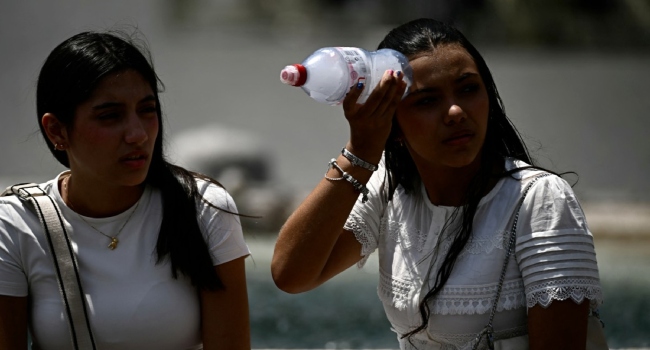
The current heatwave is “significantly exacerbated by human-induced climate change”, without which the current temperatures would have been 2 to 4C cooler, according to a scientific study published this week.
The WHO on Wednesday urged people to be aware of the difference between heat exhaustion and heatstroke.
READ ALSO: Major Power Outage Hits France As Europe Wilts Under Record Heat
The signs of heat exhaustion are headaches, dizziness, nausea and cramps, while heatstroke — “a life-threatening emergency” — can be identified by confusion, collapse and seizures.
The UN health agency says high-intensity heatwaves can bring high acute mortality, noting that “in 2003, 70,000 people in Europe died as a result of the June-August event”.
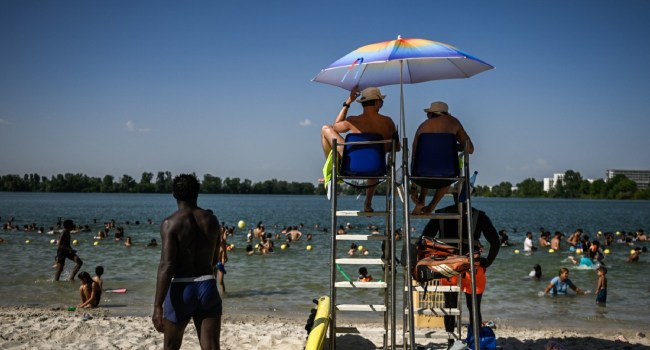
The WHO recommends using electric fans only when temperatures are below 40C — above that, “fans will heat the body”.
If using air conditioning, setting the thermostat to 27C and using an electric fan will make the room feel 4C cooler, it says, adding that “it may be cooler outdoors in the shade”.
It says people should drink water regularly during heat episodes, drinking at least two to three litres per day.
AFP
The post Heatwave-Hit Europe Must Adapt Healthcare — WHO appeared first on Channels Television.