TRENDING
Fake job offers lured us into Cote d’ Ivoire sex slavery — Survivors • Flood-hit Ogun fish farmers seek Tinubu, Abiodun’s intervention • Abuja court sentences three to life for Oyo pupils’ abduction • Like Anthony Joshua, Okoh Aiming to Win Boxing Gold for England • Oluwafemiayo, Ezuruike, Others Set to Win Team Nigeria’s First Medals Today in Glasgow • CANAL+ Secures Broadcast Rights for Glasgow 2026 • Two billion tramadol pills seized in 18 months – NDLEA • Python Club, Port Harcourt to Host Nigerian National Finals • Balogun Ban: Norway Consider Filing Complaint to FIFA’s Ethics Committee • Sterling Bank keeps NPL below CBN threshold for decade • Reality show attracts brands targeting consumer market • Beyond training: Nigeria must close the skills-performance gap • Lagos exposes Nigeria’s housing crisis • World Cup: Has Africa come of age? • Vigilant resident, swift Police response aid recovery of pistol, car • Moniepoint partners ALU to train tech leaders • W’ Bank loans drive Tinubu’s social spending agenda • PR practitioners push for greater boardroom influence • Alarming Malami: Goons of graft are many • NBA general election: Far-reaching recommendations and prognosis for the future • Fake job offers lured us into Cote d’ Ivoire sex slavery — Survivors • Flood-hit Ogun fish farmers seek Tinubu, Abiodun’s intervention • Abuja court sentences three to life for Oyo pupils’ abduction • Like Anthony Joshua, Okoh Aiming to Win Boxing Gold for England • Oluwafemiayo, Ezuruike, Others Set to Win Team Nigeria’s First Medals Today in Glasgow • CANAL+ Secures Broadcast Rights for Glasgow 2026 • Two billion tramadol pills seized in 18 months – NDLEA • Python Club, Port Harcourt to Host Nigerian National Finals • Balogun Ban: Norway Consider Filing Complaint to FIFA’s Ethics Committee • Sterling Bank keeps NPL below CBN threshold for decade • Reality show attracts brands targeting consumer market • Beyond training: Nigeria must close the skills-performance gap • Lagos exposes Nigeria’s housing crisis • World Cup: Has Africa come of age? • Vigilant resident, swift Police response aid recovery of pistol, car • Moniepoint partners ALU to train tech leaders • W’ Bank loans drive Tinubu’s social spending agenda • PR practitioners push for greater boardroom influence • Alarming Malami: Goons of graft are many • NBA general election: Far-reaching recommendations and prognosis for the future
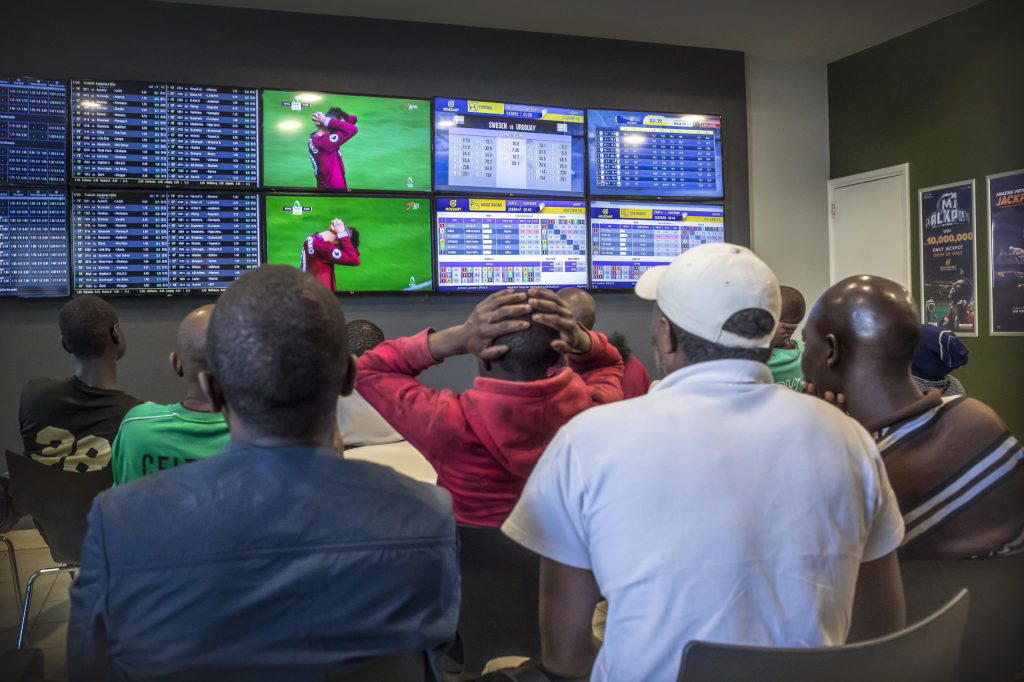
Nigeria leads in online gambling regulation as illegal market hits $17.8bn
Back to Home

Nigeria leads in online gambling regulation as illegal market hits $17.8bn

Vanguard Nigeria 1 day 2 mins read
Nigeria leads in online gambling regulation as illegal market hits $17.8bn

By Yinka Kolawole

Nigeria has emerged as one of Africa’s most regulated online gambling markets, even as illegal operators continue to dominate the continent, according to a new report by Gaming Compliance International (GCI).

The report, the first comprehensive assessment of online gambling across all 54 African countries, showed that Africa’s online gambling Gross Gaming Revenue (GGR) reached $23 billion in 2025.

However, only $5.2 billion (23 per cent) was generated by licensed operators, while $17.8 billion (77 per cent) remained in the unregulated market.
In West Africa, total online gambling revenue rose to $4.8 billion in 2025 from $4.3 billion in 2024. Of the 2025 figure, regulated operators accounted for $1.5 billion (31 per cent), while $3.3 billion (69 per cent) flowed to unlicensed platforms, highlighting the region’s persistent enforcement challenges.

Nigeria stood out as the region’s strongest performer, recording the lowest unregulated market share at 56 per cent, compared with the West African average of 69 per cent and the African average of 77 per cent.

The study also found that online gambling participation across Africa increased from 198 million people (13 per cent of the population) in 2024 to 215 million (14 per cent) in 2025.

Despite this growth, GCI estimated that illegal operators deprived African governments of about $3.55 billion in tax revenue in 2025. The number of unlicensed gambling platforms targeting African consumers also rose to 4,129, up from 3,644 in 2024.

Commenting on the findings, GCI Chief Executive Officer, Matt Holt, said the report provides regulators with the first continent-wide benchmark for strengthening oversight and consumer protection.

GCI President, Ismail Vali, urged governments to develop competitive and well-regulated markets that encourage consumers to patronise licensed operators, boost public revenue and attract greater investment.

The post Nigeria leads in online gambling regulation as illegal market hits $17.8bn appeared first on Vanguard News.


This article was sourced from an external publication.

Share this article

Comments (0)

Want to join the discussion?

Sign in to post comments and engage with the community.

Be the first to comment!

Adamawa

View All
AD
AD
OneClick Africa Logo

Africa's premier digital hub for impactful news, entertainment, and business insights.

© 2026 OneClick Africa. All rights reserved.