

By Dickson Omobola
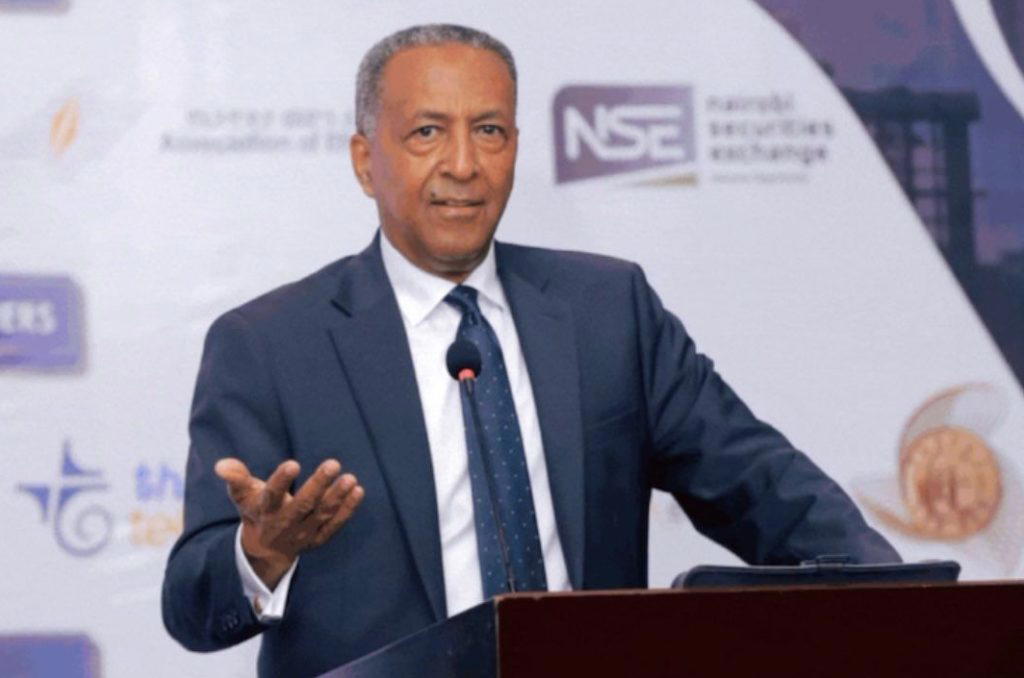
Global Chairman of Fairfax Africa Fund, a United States-based company, Mr Zemedeneh Negatu, Tuesday, faulted the ownership structure of Nigerian airlines, saying the industry’s dependence on sole proprietorship is unsustainable and inconsistent with the business models of successful aviation markets around the world.
Negatu warned that Federal Government subsidies would not resolve the challenges facing domestic carriers, saying Nigeria should instead adopt a model similar to those of successful airlines such as Emirates, Ethiopian Airlines, Singapore Airlines, Turkish Airlines and Qatar Airways, which are either fully or partly government-owned.
He shared his views on X, formerly Twitter, stating that most Nigerian airlines are thinly capitalised and owned by individual investors, making them financially vulnerable and ill-equipped for an industry that is capital intensive.
His words: “As I had warned publicly and repeatedly over the last four years, Nigeria’s airlines will not survive (except, maybe one) because of their structurally flawed business model: They are all thinly capitalised, heavily leveraged (resulting in perennial losses) and each owned by a single wealthy man as sole proprietor (except the regional state owned airlines and those taken over by Asset Management Corporation of Nigeria, AMCON). No major economy in the world has such an odd business model for its airline industry.
“It’s important to note that all major successful national airlines around the world, today or in their past history, were either fully or partly government-owned (except in the United States). Here are just a few examples of successful airlines currently partly or fully government owned: Emirates, Ethiopian Airlines, Singapore Airlines, Turkish Airlines, Qatar Airways, Etihad, Air France. Past government ownership: Lufthansa, British Airways, Qantas.
“Nigeria, Africa’s 2nd largest economy and most populous country, needs (deserves) a new national airline, fully or partly state-owned, that’s large, well capitalised and sustainably profitable so that it can compete globally and make 240 million Nigerians proud. Virtually none of the airlines in Nigeria today can compete efficiently and profitably even within Africa (despite charging Nigerians some of highest airfares in the world), let alone compete globally. Their cash burn is unsustainably high even when oil prices are low. None of them are sustainably profitable and they have a very small fleet considering the market size. Nigeria has more private jets than commercial aircraft.
“Federal government subsidies will not save these airlines (it’s been tried before) and converting any of them to a national airline won’t work either. Running an airline is a capex heavy, ultra thin margin, heavily regulated, extremely competitive, serious business. Waving the national pride emotion is not a viable business model.”
The post Nigeria’s airline model holding back aviation growth – Negatu appeared first on Vanguard News.